Cheongju Sangdangsanseong Fortress (청주 상당산성)
Chungbuk · 70 Seongnae-ro, Sangdang-gu, Cheongju-si, Chungcheongbuk-do
Hours
Open 24 hr
Open 24 hr
Address
70 Seongnae-ro, Sangdang-gu, Cheongju-si, Chungcheongbuk-do
70 Seongnae-ro, Sangdang-gu, Cheongju-si, Chungcheongbuk-do
Parking
Available
Available
Overview
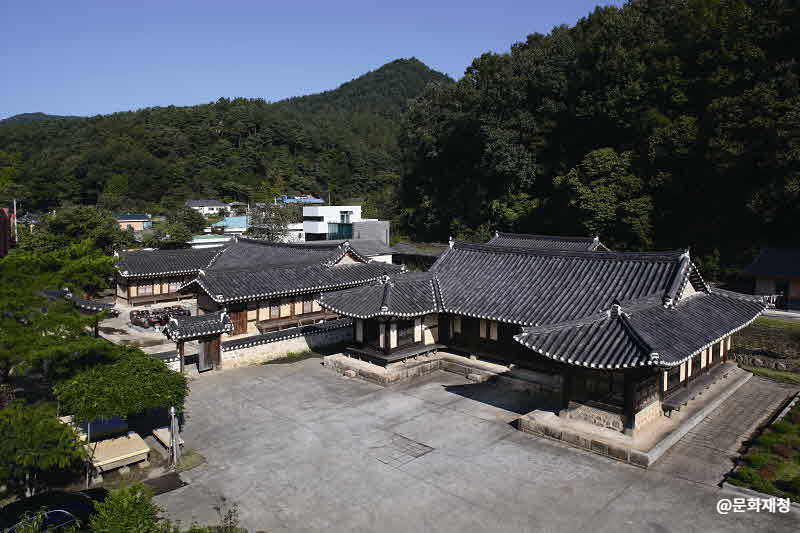
Sangdangsanseong Fortress in Cheongju, Chungcheongbuk-do is a fortress built along the natural slopes close to downtown Cheongju. It was comprehensively improved in 1596 (29th year of King Seonjo’s reign) during Imjinwaeran (Japanese invasion of Korea in 1592) and later remodeled into a stone fortress during the 42nd year of King Sukjong’s reign.
<br><br>
This 4.2km-long, 3-4m-tall fortress was built with stones of various sizes, earth and sand. The fortress has three gates, located in the east, west and south respectively. The three gates remain almost intact, and all still have their gate towers. The front gate in the south, named ‘Gongnammun Gate,’ is crescent-shaped while the East and West gates are square. The East and West Command Posts also stand within the confines of the fortress itself. This fortress was designated as Historic Site No. 212 in 1970. Additionally, visitors can sample Jujube Wine (Korean traditional wine) as well as a variety of local cuisine.
<br><br>
This 4.2km-long, 3-4m-tall fortress was built with stones of various sizes, earth and sand. The fortress has three gates, located in the east, west and south respectively. The three gates remain almost intact, and all still have their gate towers. The front gate in the south, named ‘Gongnammun Gate,’ is crescent-shaped while the East and West gates are square. The East and West Command Posts also stand within the confines of the fortress itself. This fortress was designated as Historic Site No. 212 in 1970. Additionally, visitors can sample Jujube Wine (Korean traditional wine) as well as a variety of local cuisine.
Location
📍 Open in Google MapsHow to Get There
Info: +82-43-201-0202
Best Time to Visit
South Korea has four distinct seasons. Spring (March–May) and autumn (September–November) are the most popular times to visit. Summer brings humidity and occasional typhoons, while winter is cold but great for ski resorts and festivals.
Frequently Asked Questions
Open 24 hr
Available
N/A (Open all year round)
+82-43-201-0202