Munui Cultural Properties Site (문의문화재단지)
Chungbuk · 721, Daecheonghoban-ro, Sangdang-gu, Cheongju-si, Chungcheongbuk-do
Hours
May-September 09:00-20:00 / October-April 09:00-18:00
May-September 09:00-20:00 / October-April 09:00-18:00
Address
721, Daecheonghoban-ro, Sangdang-gu, Cheongju-si, Chungcheongbuk-do
721, Daecheonghoban-ro, Sangdang-gu, Cheongju-si, Chungcheongbuk-do
Parking
Available
Available
Overview
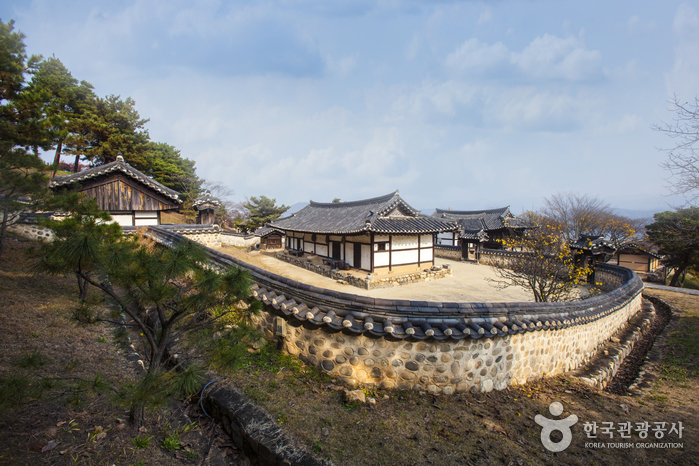
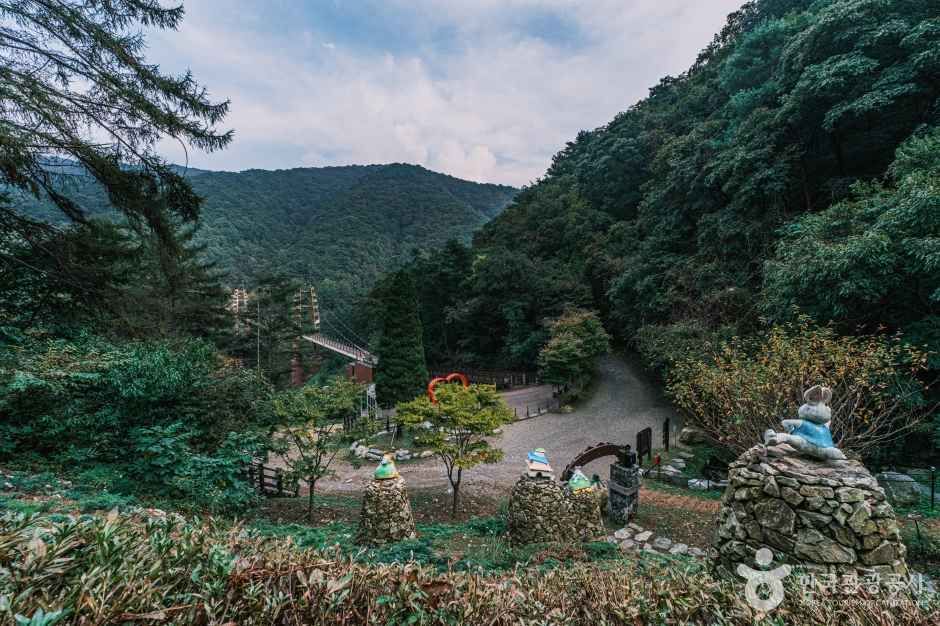
Munui Cultural Properties Site, overlooking the Daecheongho Lake, attracts many visitors. The site was created to preserve and promote the local traditional culture of Cheongwon (Chungcheongbuk-do); it is a great place to learn about local history, culture, and arts.<br>
<br>
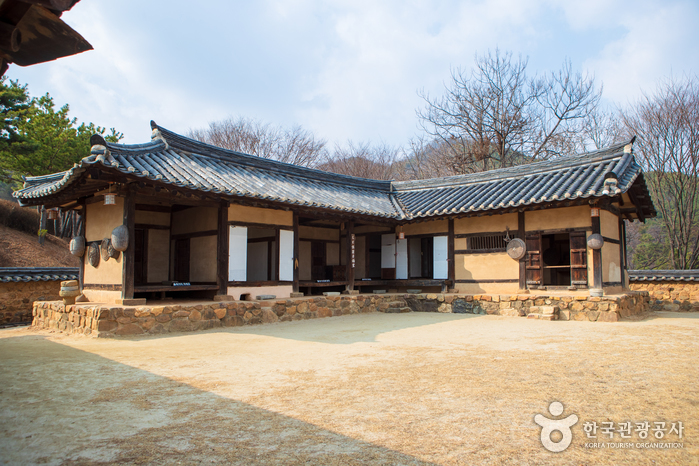
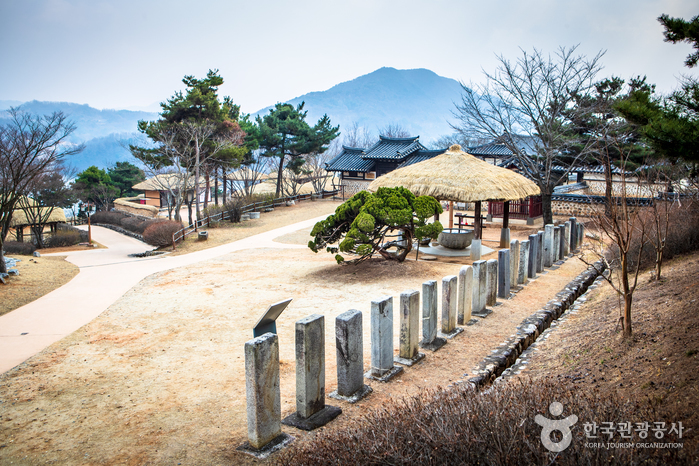
The spacious complex (132,232m²) is a home to ten traditional houses (Munsangwan, aristocrat houses, a museum, and a tavern), showing a form of a traditional village. It is also full of dolmen stones (symbolizing abundant procreation), Jangseung (totem poles at the entrance of villages or temples), and Yeonjabanga (millstones worked by horses or oxen), providing visitors with opportunities to learn about traditional culture and life.<br>
<br>
With a theme of roof tiles, a relics gallery in the complex boasts over 774 local items, categorized by historical period (e.g. the Silla Period, Baekje Period, etc.). Munsan-ri Stone Bridge, believed to have been built during the Goryeo Period, was restored in front of the gallery.<br>
<br>
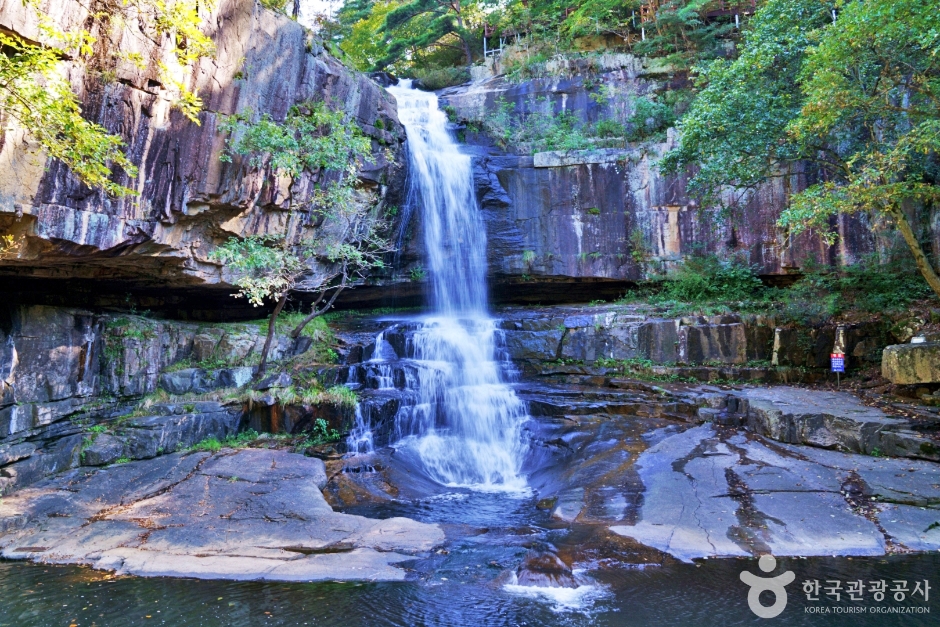
The complex also offers a wide array of amenities including mineral spring sites, playgrounds, and Munui Movie Village (a drive-in movie theatert). Nearby notable attractions include artificial falls, Yangseongsan Mountain, Jakdusan Mountain, Daecheongho Lake, Nosan Pine Forest, Donghwasa Temple, and Bugang Mineral Springs.
<br>
The spacious complex (132,232m²) is a home to ten traditional houses (Munsangwan, aristocrat houses, a museum, and a tavern), showing a form of a traditional village. It is also full of dolmen stones (symbolizing abundant procreation), Jangseung (totem poles at the entrance of villages or temples), and Yeonjabanga (millstones worked by horses or oxen), providing visitors with opportunities to learn about traditional culture and life.<br>
<br>
With a theme of roof tiles, a relics gallery in the complex boasts over 774 local items, categorized by historical period (e.g. the Silla Period, Baekje Period, etc.). Munsan-ri Stone Bridge, believed to have been built during the Goryeo Period, was restored in front of the gallery.<br>
<br>
The complex also offers a wide array of amenities including mineral spring sites, playgrounds, and Munui Movie Village (a drive-in movie theatert). Nearby notable attractions include artificial falls, Yangseongsan Mountain, Jakdusan Mountain, Daecheongho Lake, Nosan Pine Forest, Donghwasa Temple, and Bugang Mineral Springs.
Location
📍 Open in Google MapsHow to Get There
Info: • 1330 Travel Hotline: +82-2-1330 (Korean, English, Japanese, Chinese) • For more info: +82-43-201-0915
Best Time to Visit
South Korea has four distinct seasons. Spring (March–May) and autumn (September–November) are the most popular times to visit. Summer brings humidity and occasional typhoons, while winter is cold but great for ski resorts and festivals.
Frequently Asked Questions
May-September 09:00-20:00 / October-April 09:00-18:00
Available
New Year's Day, the day of Seollal (Lunar New Year's Day) & Chuseok (Korean Thanksgiving Day), Mondays (if national holiday falls on Monday, the facillity will be closed on the weekday)
• 1330 Travel Hotline: +82-2-1330 (Korean, English, Japanese, Chinese)
• For more info: +82-43-201-0915
• For more info: +82-43-201-0915
Photos