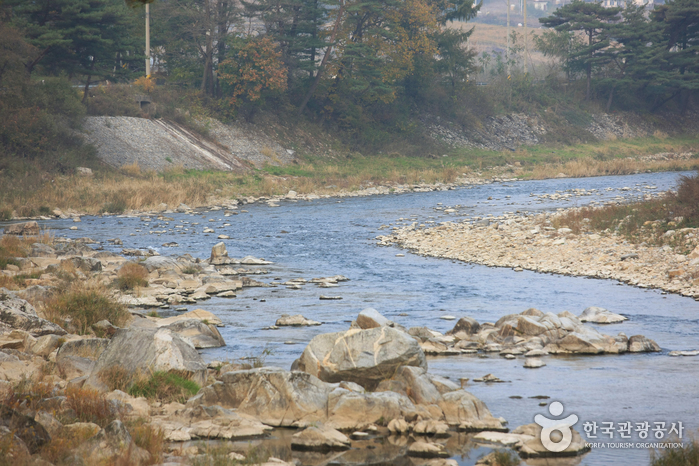
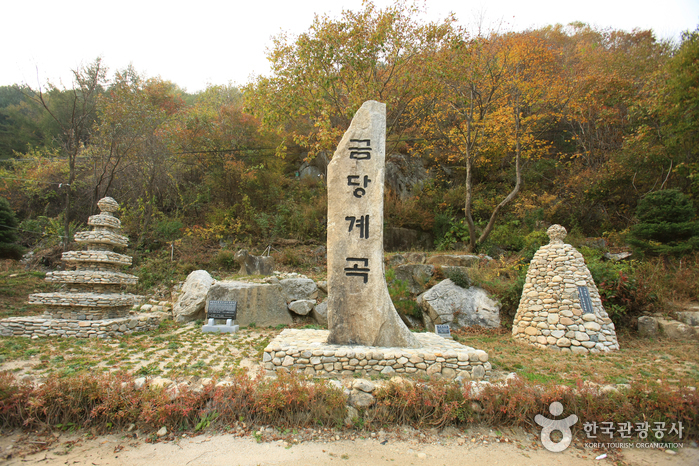
Geumdanggyegok Valley (금당계곡)
Gangwon · 766-2, Geumdanggyegok-ro, Pyeongchang-gun, Gangwon-do
Address
766-2, Geumdanggyegok-ro, Pyeongchang-gun, Gangwon-do
766-2, Geumdanggyegok-ro, Pyeongchang-gun, Gangwon-do
Overview
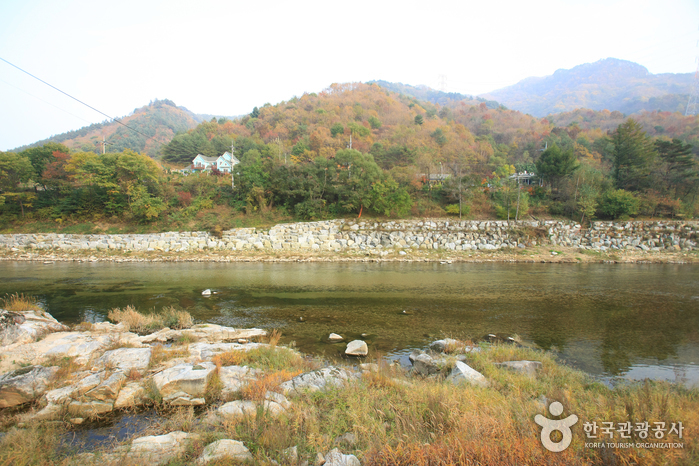
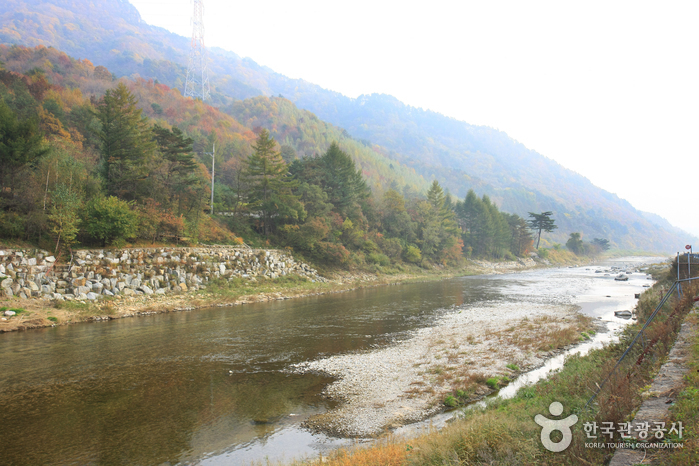
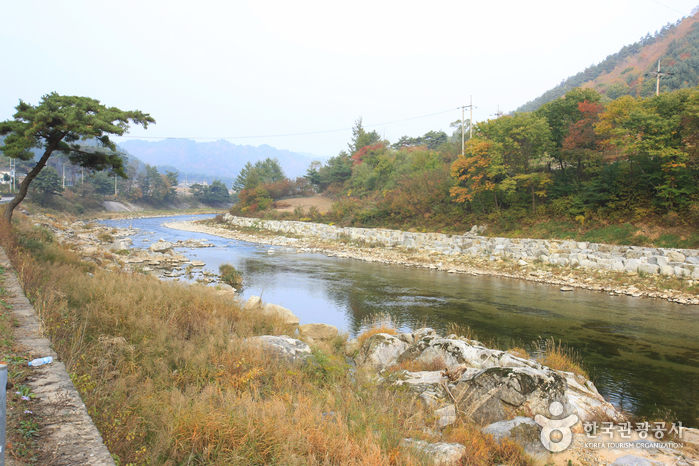
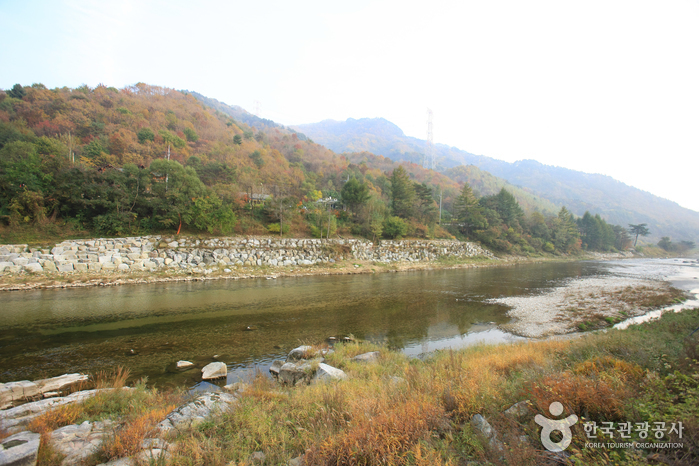
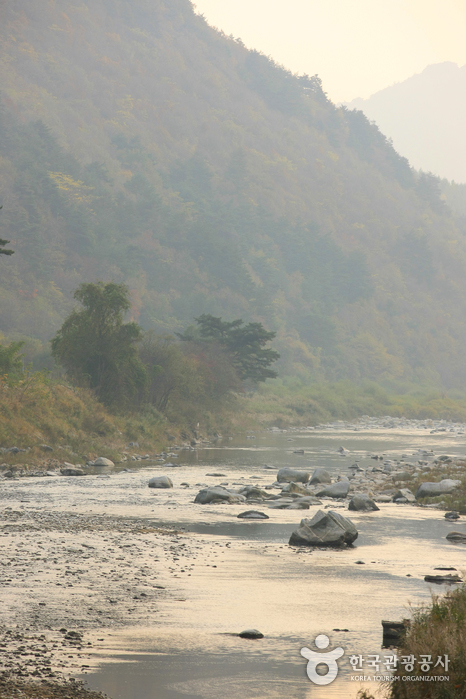
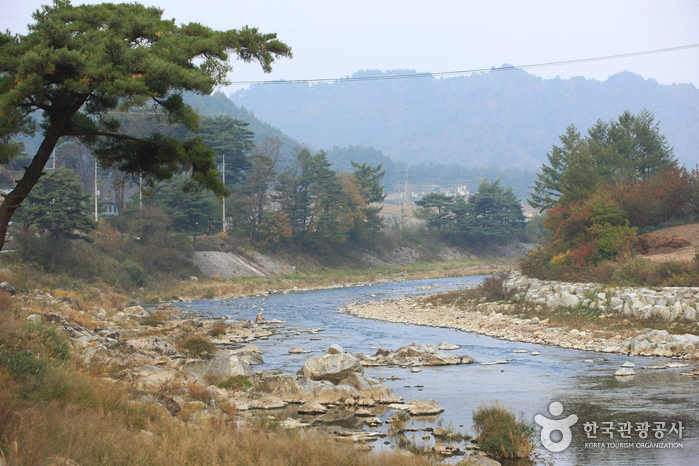
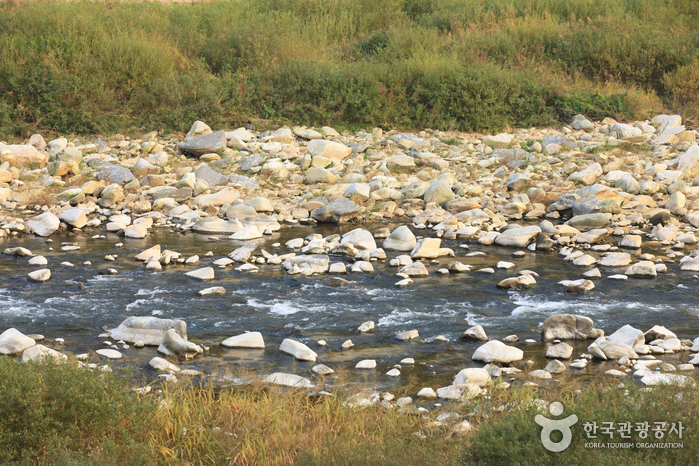
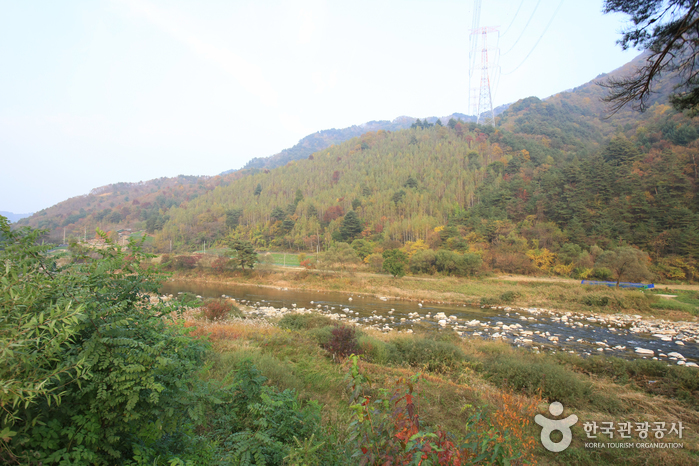
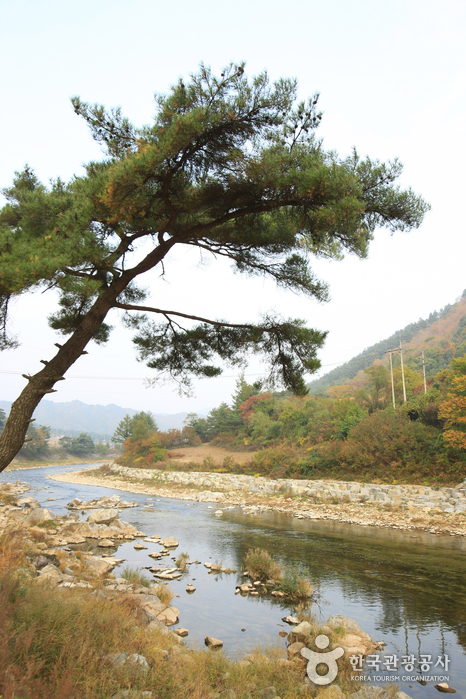
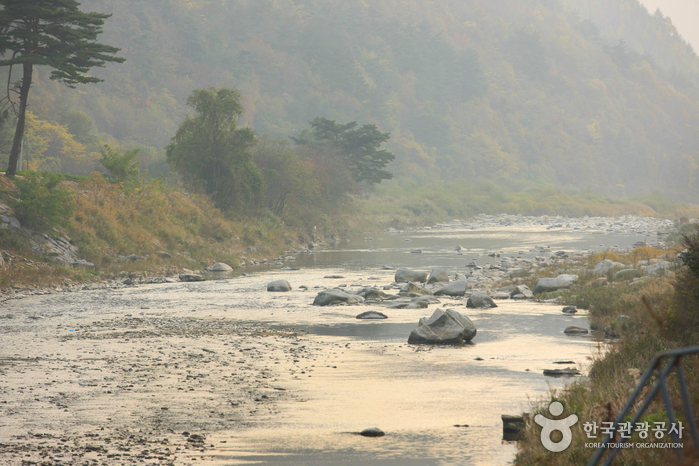
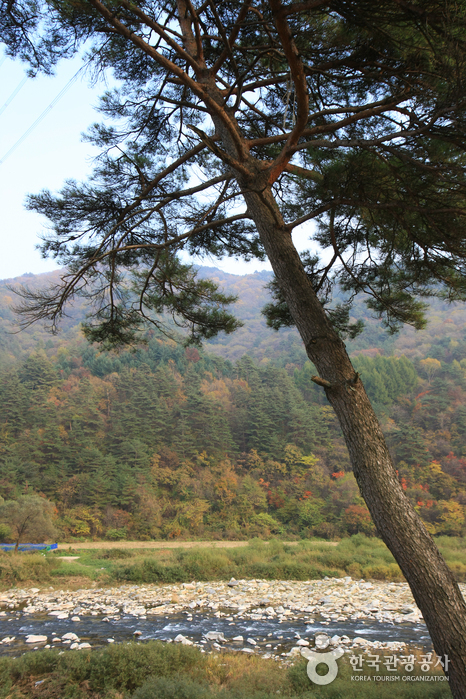
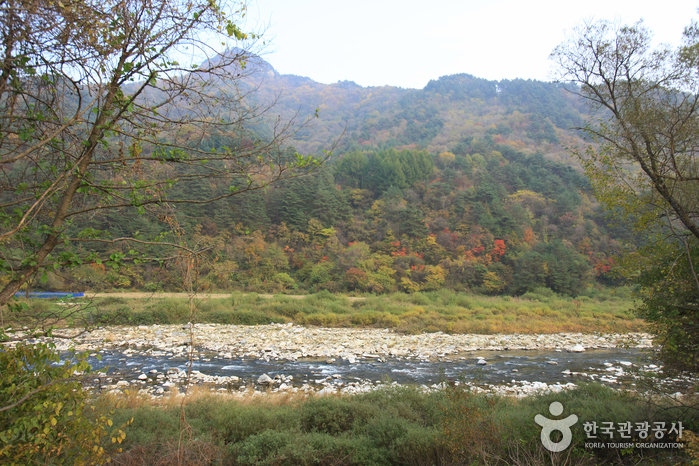
Geumdanggyegok Valley, located upstream of the Pyeongchanggang River, is a gorge between three different districts of Bongpyeong-myeon, Yongpyeong-myeon and Daehwa-myeon, just west of Geumdangsan Mountain (1,173 m). Geumdanggyegok Valley is an impressive site with sections of both gentle and fast flowing valley waters. From late March through April full-blown azalea covers the mountainsides and valleys providing visitors with a refreshing spring scent.
<br><br>
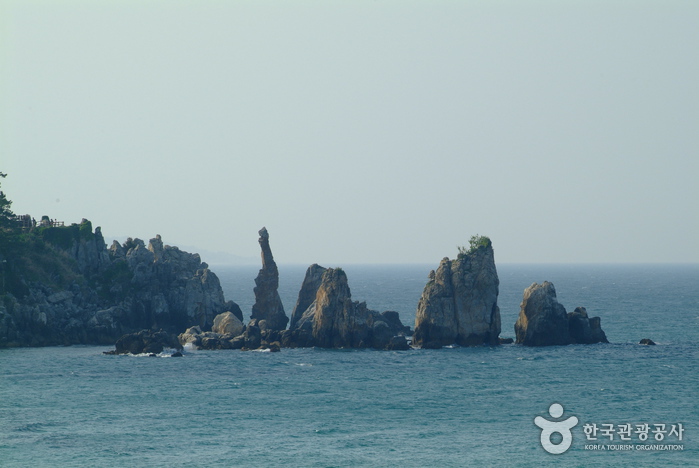
To reach Geumdanggyegok Valley, travel down along the Pyeongchanggang River from Jangpyeong or trek up the valley from Anmi Elementary School. Coming down to Pyeongchang-eup from Daehwa-myeon area, visitors will encounter an intersection called, “Saechugeori”. The intersection has two parts: Sanganmi and Haanmiri and a sign indicating the Geumdanggyegok Valley entrance. Across the valley, odd-shaped rock formations and cliffs appear one after another along the river. The area is a native habitat for a species of otter (Natural Treasure No. 330) and a favorite spot for catching catfish.
<br><br>
To reach Geumdanggyegok Valley, travel down along the Pyeongchanggang River from Jangpyeong or trek up the valley from Anmi Elementary School. Coming down to Pyeongchang-eup from Daehwa-myeon area, visitors will encounter an intersection called, “Saechugeori”. The intersection has two parts: Sanganmi and Haanmiri and a sign indicating the Geumdanggyegok Valley entrance. Across the valley, odd-shaped rock formations and cliffs appear one after another along the river. The area is a native habitat for a species of otter (Natural Treasure No. 330) and a favorite spot for catching catfish.
Location
📍 Open in Google MapsHow to Get There
Info: • 1330 Travel Hotline: +82-33-1330 (Korean, English, Japanese, Chinese) • For more info: +82-33-330-2771
Best Time to Visit
South Korea has four distinct seasons. Spring (March–May) and autumn (September–November) are the most popular times to visit. Summer brings humidity and occasional typhoons, while winter is cold but great for ski resorts and festivals.
Frequently Asked Questions
• 1330 Travel Hotline: +82-33-1330
(Korean, English, Japanese, Chinese)
• For more info: +82-33-330-2771
(Korean, English, Japanese, Chinese)
• For more info: +82-33-330-2771
Photos
© Korea Tourism Organization · Source required · No modifications