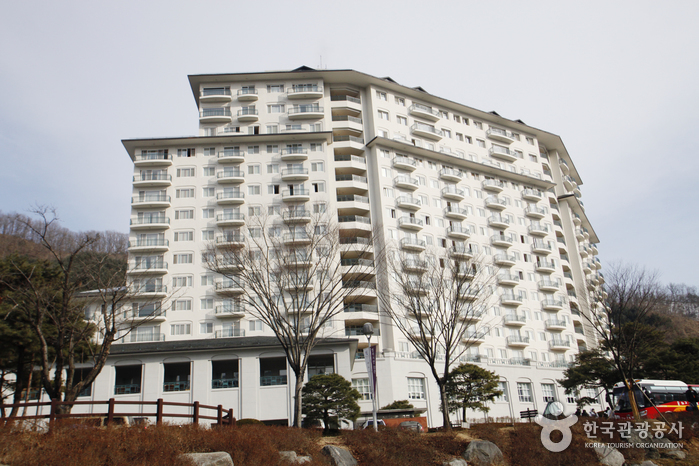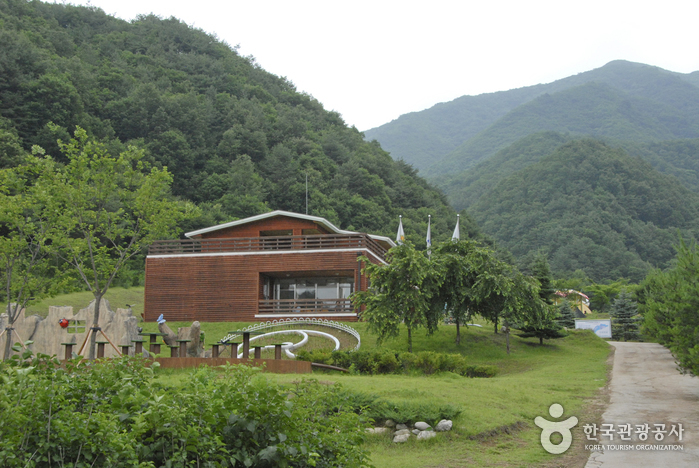
Yanggu Eco-Botanical Garden (양구생태식물원)
Gangwon · 169, Sumgol-ro 310beon-gil, Yanggu-gun, Gangwon-do
Hours
09:00-18:00 * Opens at 13:00 on the day of Seollal (Lunar New Year's Day) & Chuseok (Korean Thankgsiving Day)
09:00-18:00 * Opens at 13:00 on the day of Seollal (Lunar New Year's Day) & Chuseok (Korean Thankgsiving Day)
Address
169, Sumgol-ro 310beon-gil, Yanggu-gun, Gangwon-do
169, Sumgol-ro 310beon-gil, Yanggu-gun, Gangwon-do
Parking
Available
Available
Overview
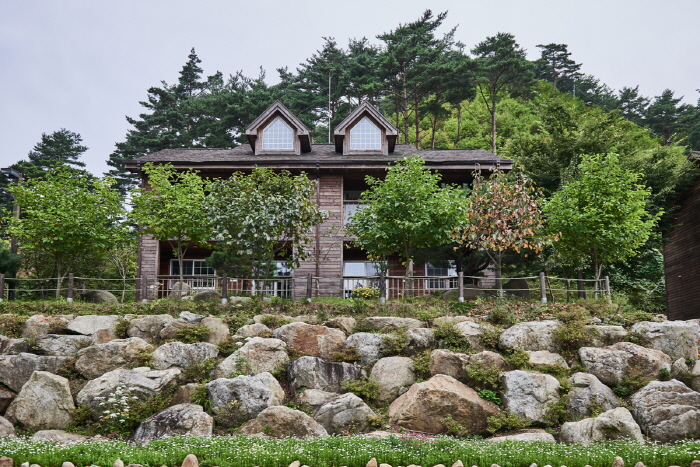
First opened in June 2004, Yanggu Eco-Botanical Garden was built on a total area of 189,141 ㎡. Nearly 3.1 billion Korean won (approximately 3 million USD) was spent on the construction and it was built to be developed into a South and North Korean ecosystem restoration center. Located in the northernmost region of South Korea, it houses more than 400 rare plants including plants that are Korean native species and protected by Korean Ministry of Environment. <br><br>
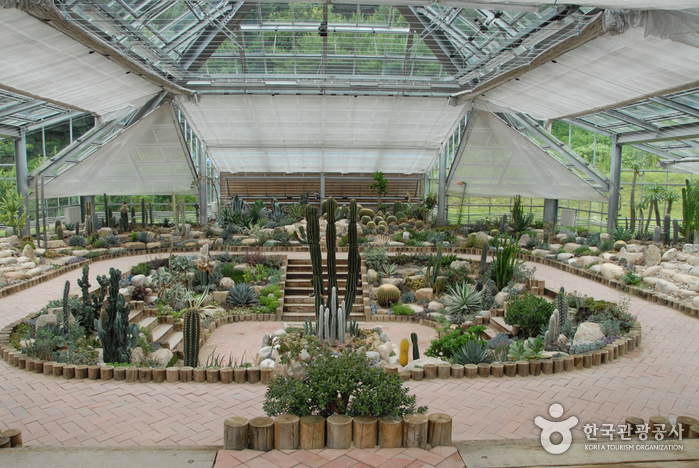
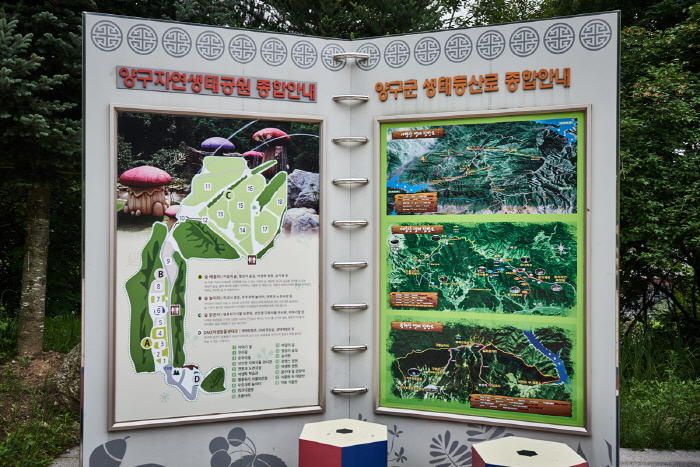
The garden is divided into six parts by their features including a botanical garden, natural forest, and facilities zone. In the botanical garden, rare plants such as northern native plants and alpine plants that are naturally grown in the demilitarized zone (DMZ) and Yanggu area are displayed in one place.<br><br>
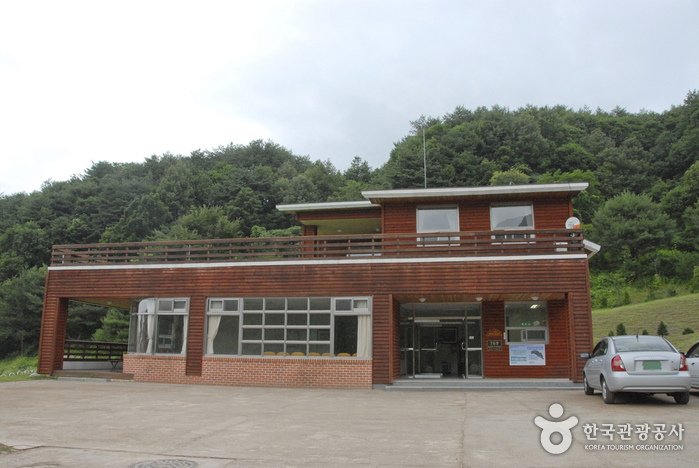
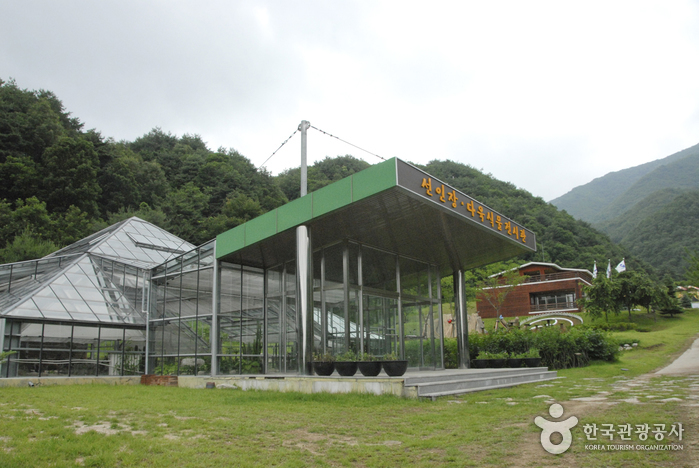
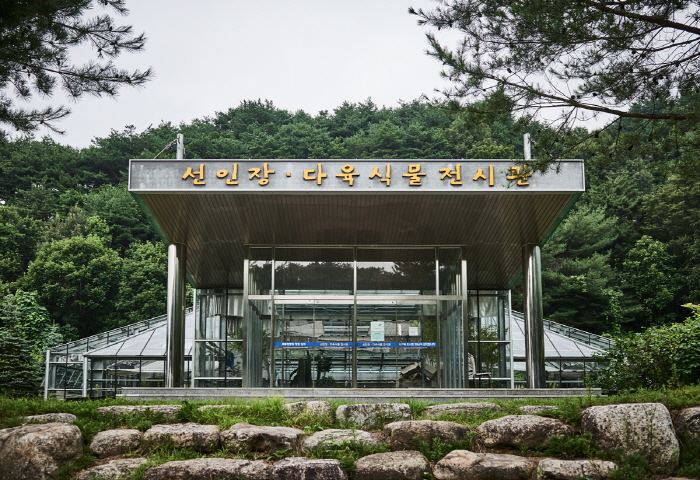
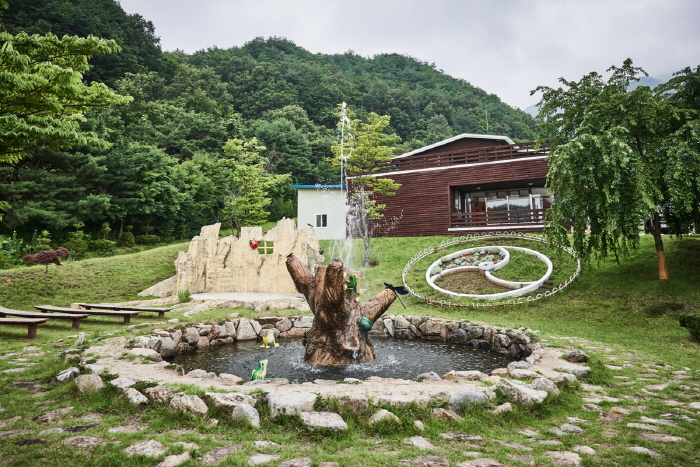
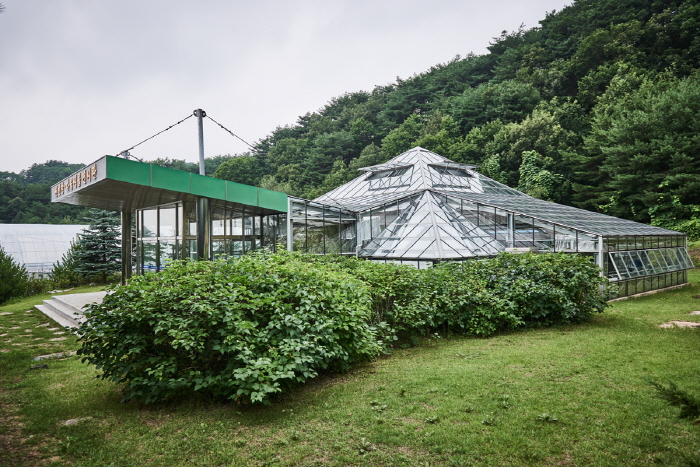
There are also walking trails, a medicinal plants exhibition hall, plant nursery, and greenhouse. To add a natural and lively touch to the garden, a mountain stream zone and wetlands zone were prepared to provide people with the chance to enjoy the pleasant sound of running water.
The garden is divided into six parts by their features including a botanical garden, natural forest, and facilities zone. In the botanical garden, rare plants such as northern native plants and alpine plants that are naturally grown in the demilitarized zone (DMZ) and Yanggu area are displayed in one place.<br><br>
There are also walking trails, a medicinal plants exhibition hall, plant nursery, and greenhouse. To add a natural and lively touch to the garden, a mountain stream zone and wetlands zone were prepared to provide people with the chance to enjoy the pleasant sound of running water.
Location
📍 Open in Google MapsHow to Get There
Info: • 1330 Travel Hotline: +82-2-1330 (Korean, English, Japanese, Chinese) • For more info: +82-33-480-7391
Best Time to Visit
South Korea has four distinct seasons. Spring (March–May) and autumn (September–November) are the most popular times to visit. Summer brings humidity and occasional typhoons, while winter is cold but great for ski resorts and festivals.
Frequently Asked Questions
09:00-18:00 * Opens at 13:00 on the day of Seollal (Lunar New Year's Day) & Chuseok (Korean Thankgsiving Day)
Available
Mondays (closed the following day if Monday is a public holiday)
• 1330 Travel Hotline: +82-2-1330
(Korean, English, Japanese, Chinese)
• For more info: +82-33-480-7391
(Korean, English, Japanese, Chinese)
• For more info: +82-33-480-7391
Photos

© Korea Tourism Organization · Source required · No modifications