
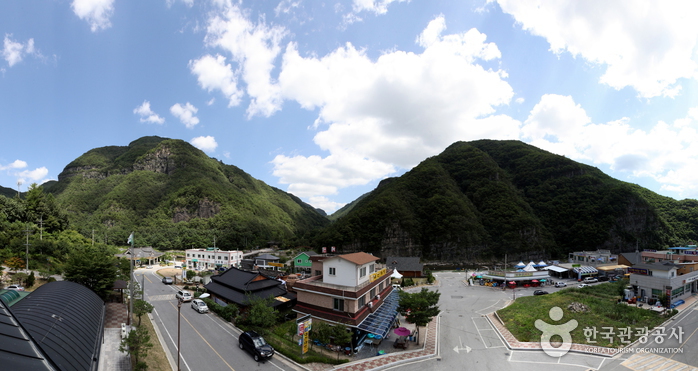
Cheongnyangsan Provincial Park (청량산도립공원)
Gyeongbuk · 39, Gwangseok-gil, Bonghwa-gun, Gyeongsangbuk-do
Address
39, Gwangseok-gil, Bonghwa-gun, Gyeongsangbuk-do
39, Gwangseok-gil, Bonghwa-gun, Gyeongsangbuk-do
Parking
Available
Available
Overview
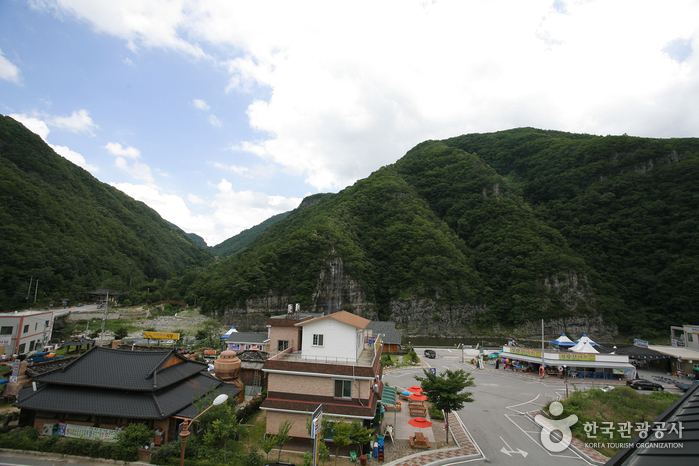
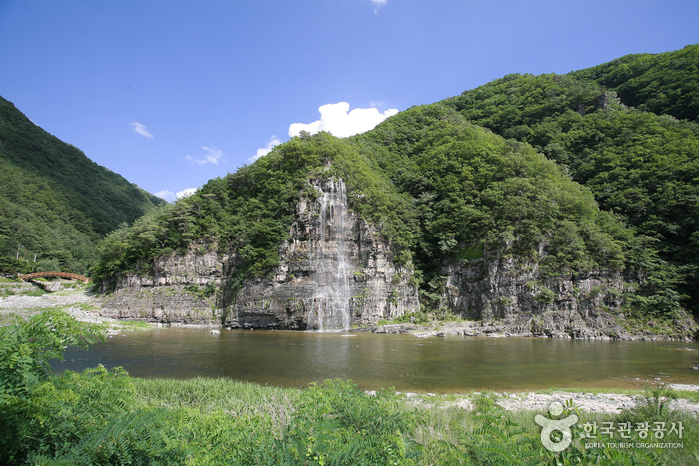
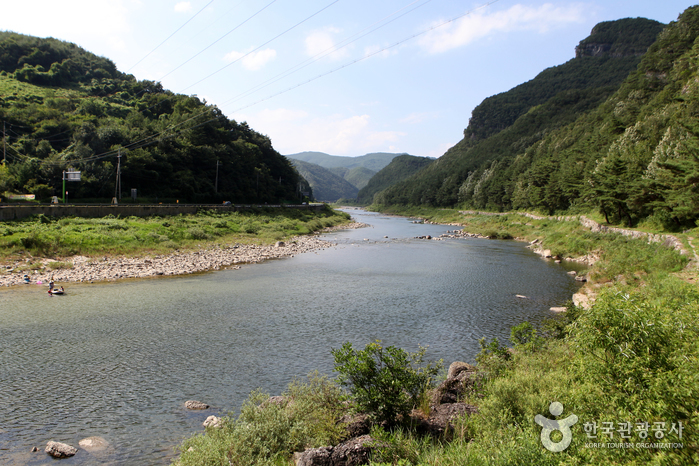
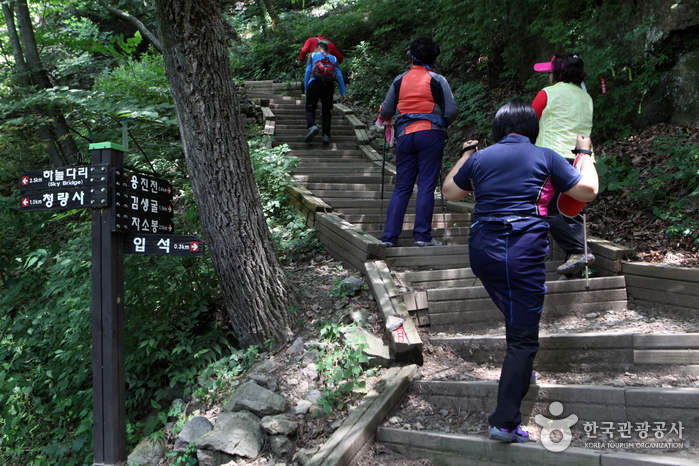
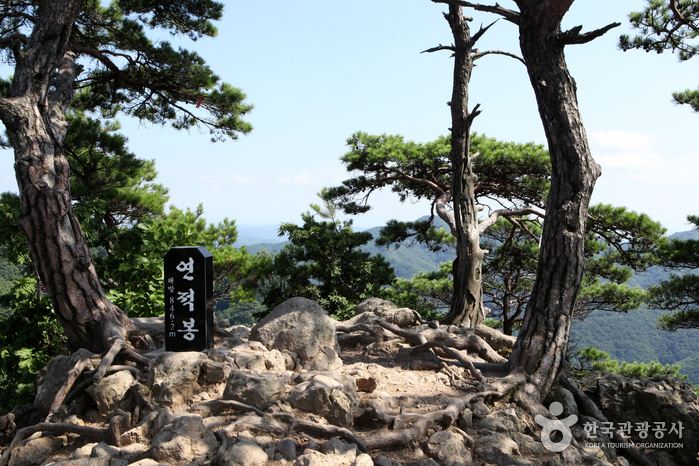
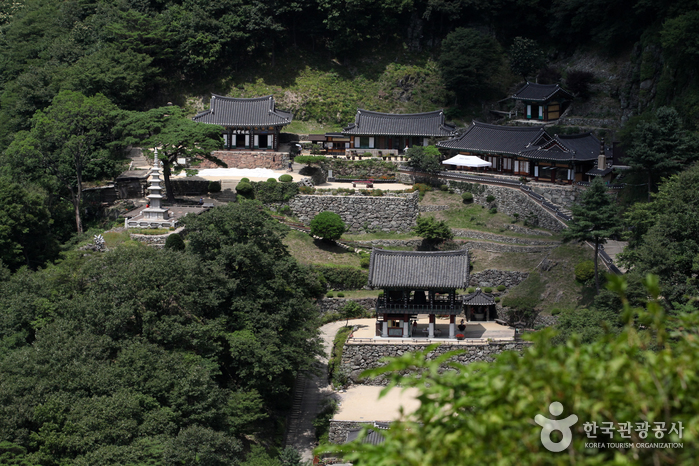
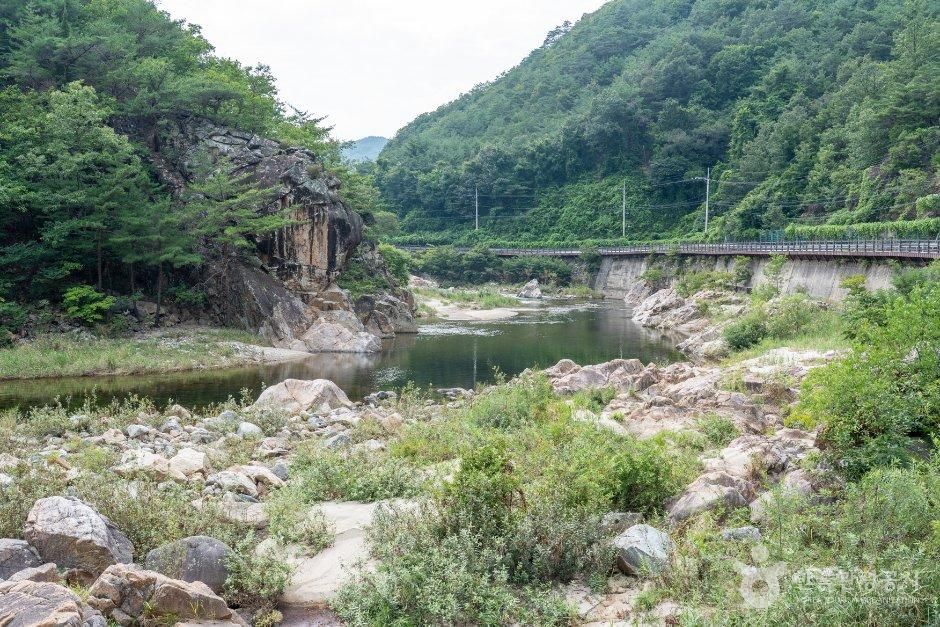
Cheongnyangsan Mountain, with an altitude of 870 meters, is hidden away from civilization. Attractions in the mountain are 12 peaks including Geumtapbong Peak, eight caves, Gwangchangpokpo Falls, and Cheongnyangsa Temple, built by Buddhist monk Wonhyo during King Munmu’s third year of reign during the Silla Period (57 BC - AD 935).
<br><Br>
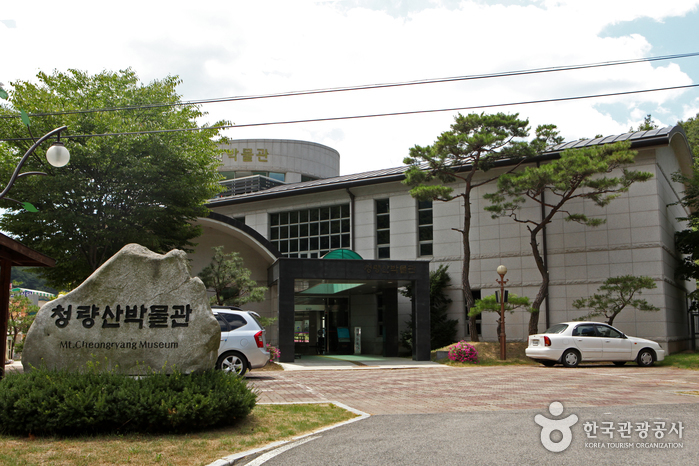
Behind the Cheongnyangsan Provincial Park’s entrance boulder is a monument with a poem inscribed on it by the famous scholar Toegye Yi Hwang of the Joseon period called Cheongnyangsanga. Aside from Toegye Yi Hwang, Wonhyo and Uisang, caligraphy master Gimsaeng, scholar Choi Chi-won, and many others came to this mountain to cultivate their arts. Their presence still lingers in legends, being retold to this day.
<br><Br>
Behind the Cheongnyangsan Provincial Park’s entrance boulder is a monument with a poem inscribed on it by the famous scholar Toegye Yi Hwang of the Joseon period called Cheongnyangsanga. Aside from Toegye Yi Hwang, Wonhyo and Uisang, caligraphy master Gimsaeng, scholar Choi Chi-won, and many others came to this mountain to cultivate their arts. Their presence still lingers in legends, being retold to this day.
Location
📍 Open in Google MapsHow to Get There
Info: • 1330 Travel Hotline: +82-2-1330 (Korean, English, Japanese, Chinese) • For more info: +82-54-679-6651
Best Time to Visit
South Korea has four distinct seasons. Spring (March–May) and autumn (September–November) are the most popular times to visit. Summer brings humidity and occasional typhoons, while winter is cold but great for ski resorts and festivals.
Frequently Asked Questions
Available
* Subject to closure in the case of adverse weather
• 1330 Travel Hotline: +82-2-1330 (Korean, English, Japanese, Chinese) • For more info: +82-54-679-6651
Photos
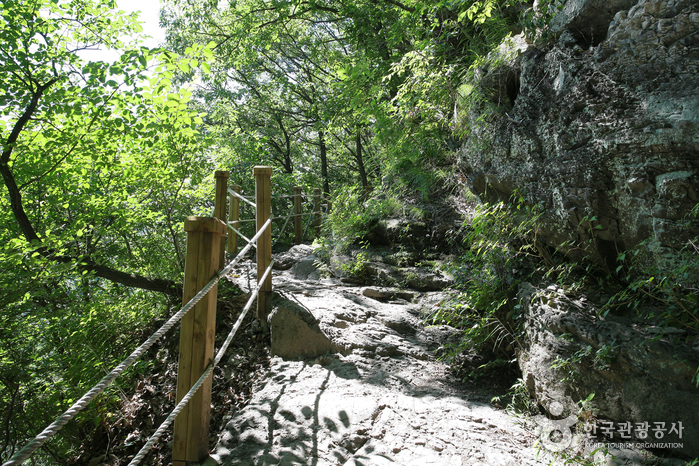
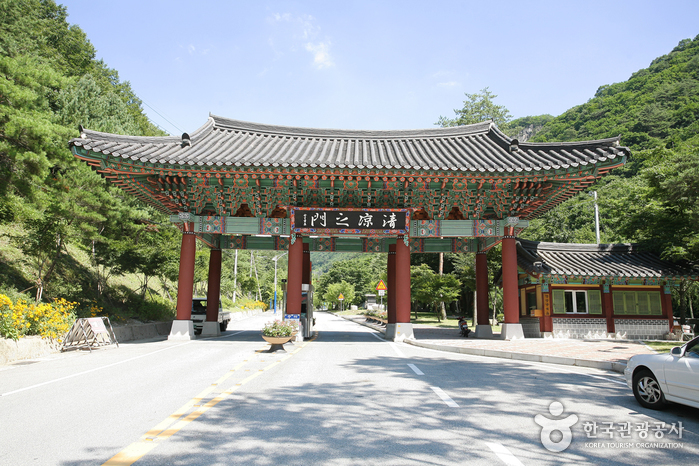
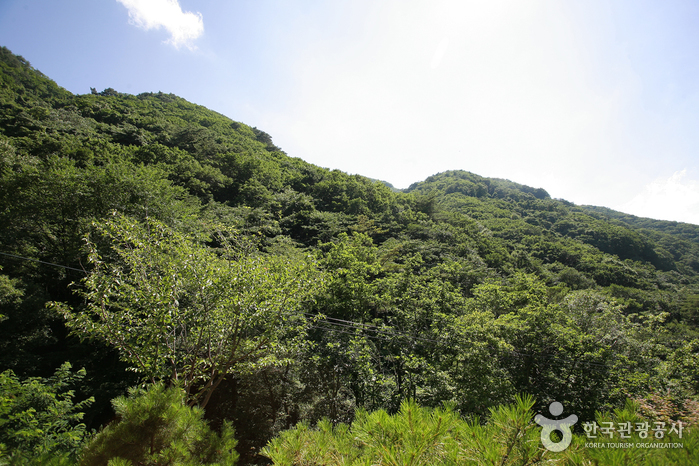
© Korea Tourism Organization · Source required · No modifications
Nearby Attractions
Nearby Attractions
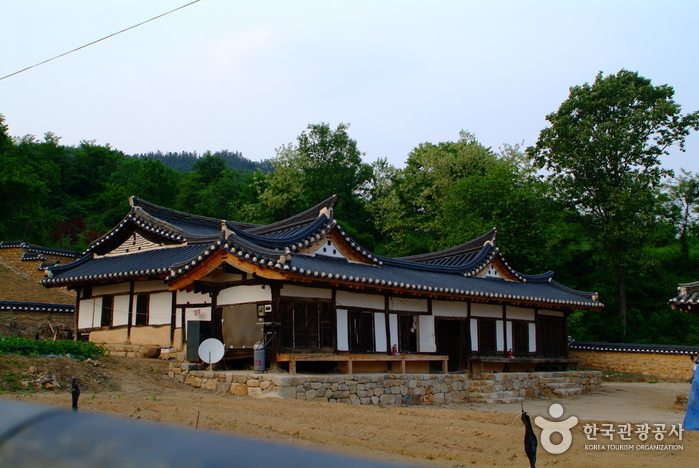 Head House of Pansagongpa Branch of Pyeongsan Sin Clan (청송 평산신씨 판사공파 종택과 분가 고택)
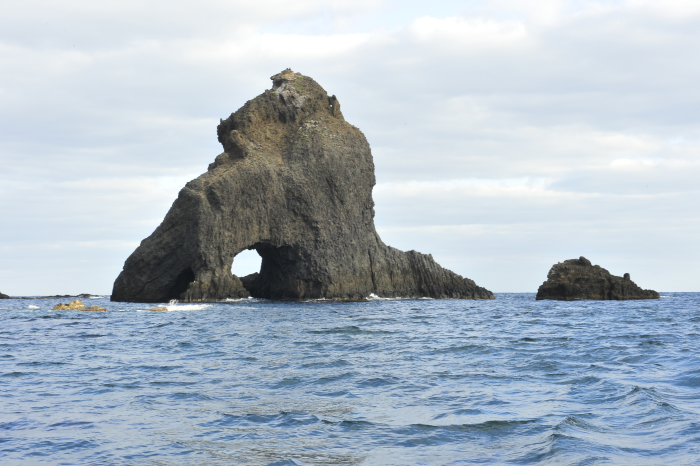 Three Brothers Cave Rock [Ullengdo-Dokdo National Geopark] (삼형제굴바위 (울릉도, 독도 국가지질공원))
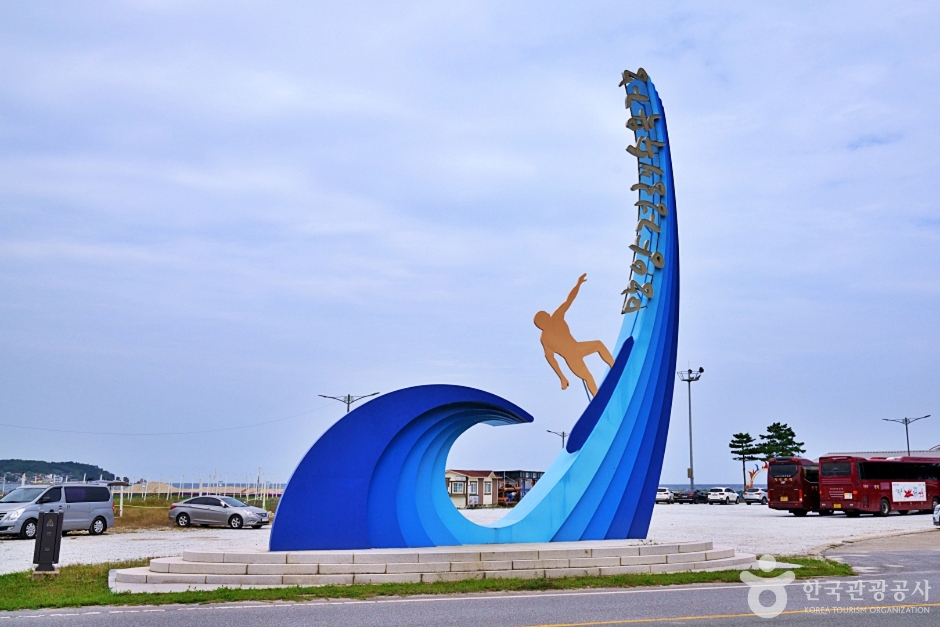 Mangyangjeong Beach (망양정해수욕장)
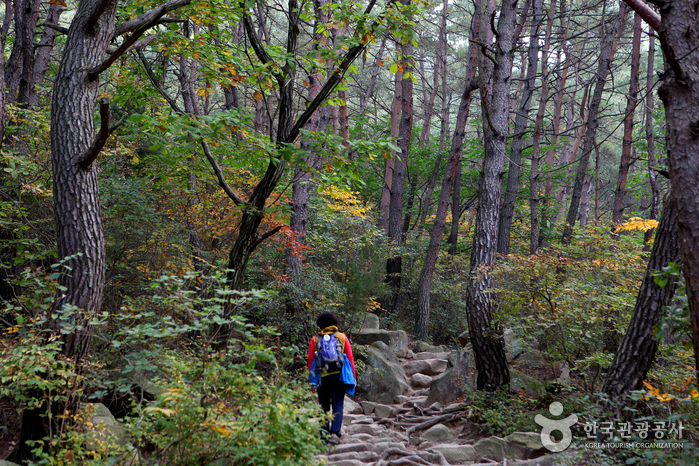 Gyeongju Namsan Mountain (경주 남산)
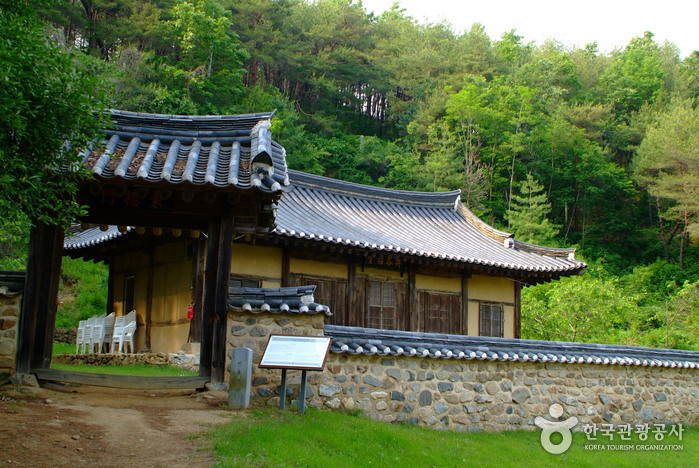 Jirye Arts Village (지례예술촌)
 Buryeonggyegok Valley [National Geopark] (불영계곡 (경북 동해안 국가지질공원))