Girimsa Temple (기림사)
Gyeongbuk · 437-17, Girim-ro, Gyeongju-si, Gyeongsangbuk-do
Hours
Winter season 08:00-17:00 / Summer season 08:00-18:00
Winter season 08:00-17:00 / Summer season 08:00-18:00
Address
437-17, Girim-ro, Gyeongju-si, Gyeongsangbuk-do
437-17, Girim-ro, Gyeongju-si, Gyeongsangbuk-do
Parking
Available
Available
Overview
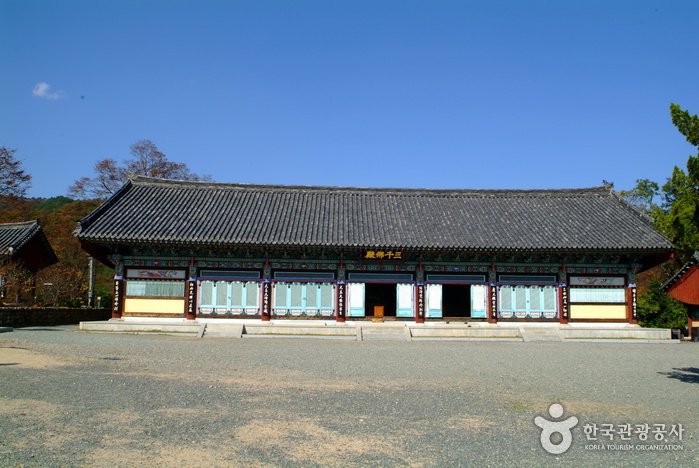
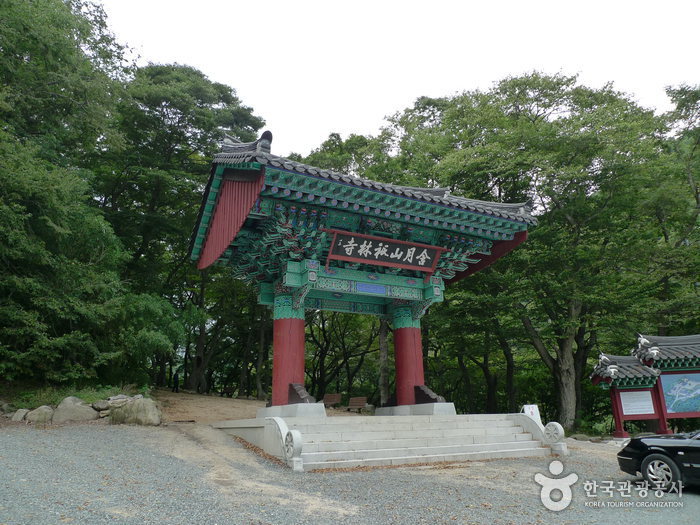
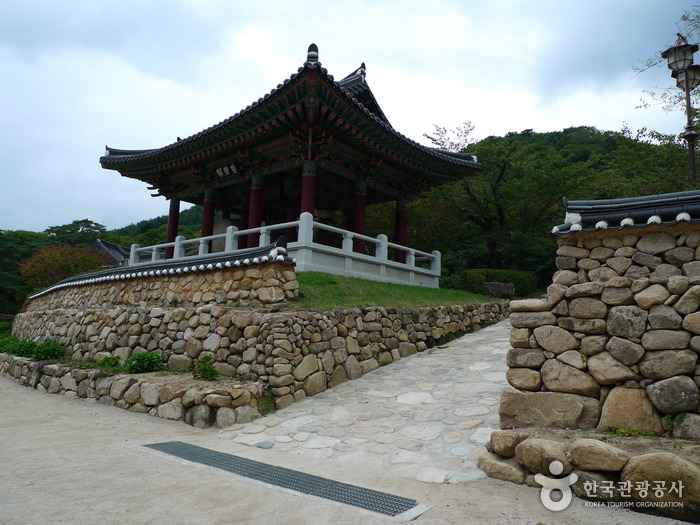
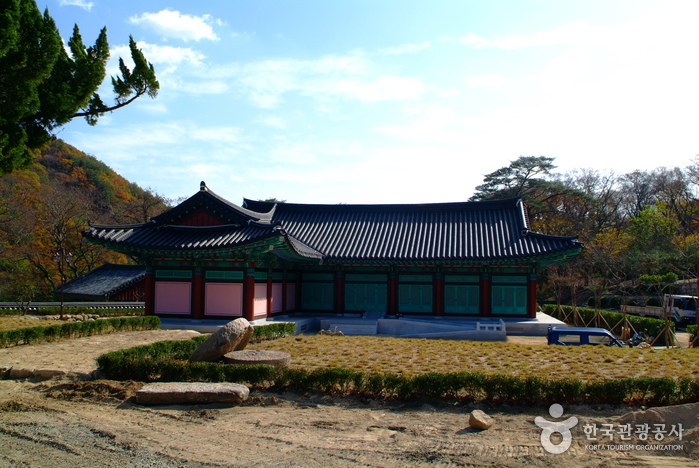
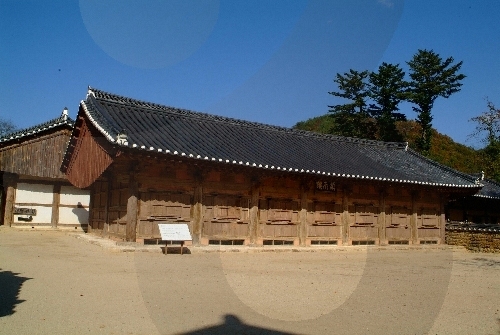
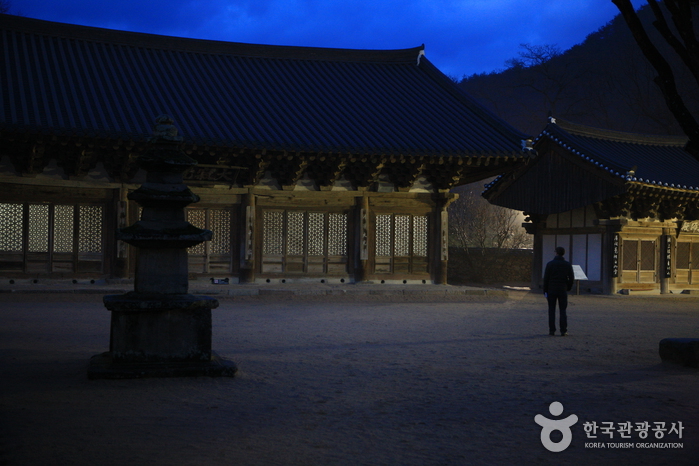
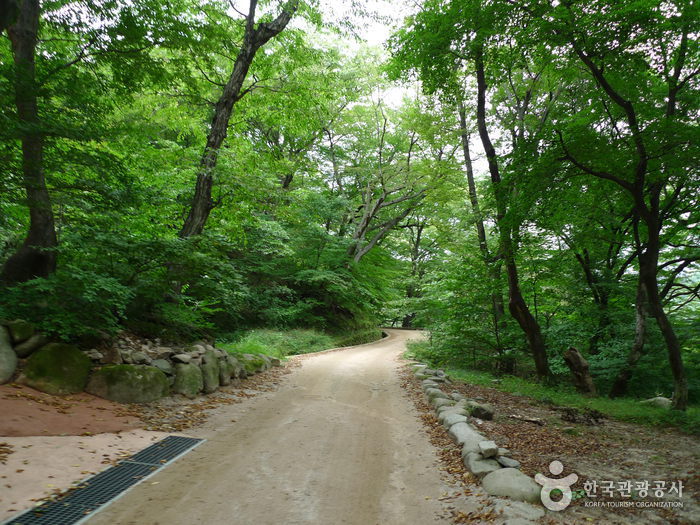
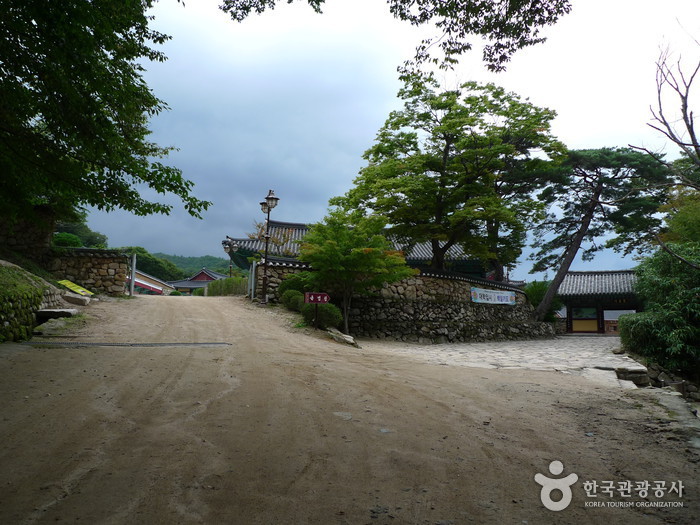
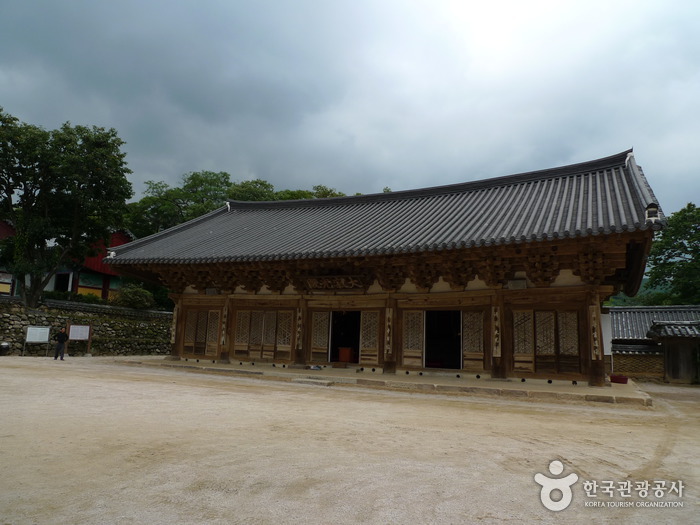
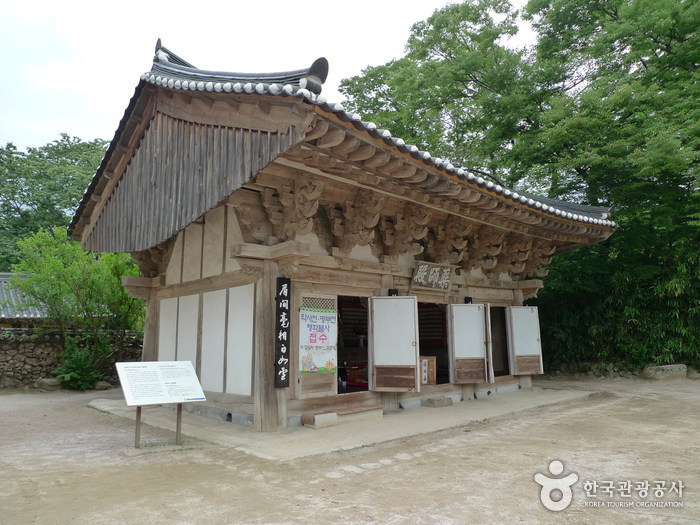
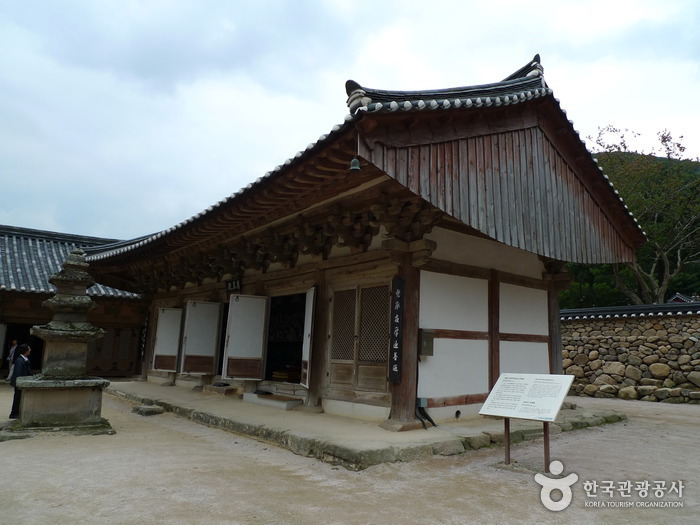
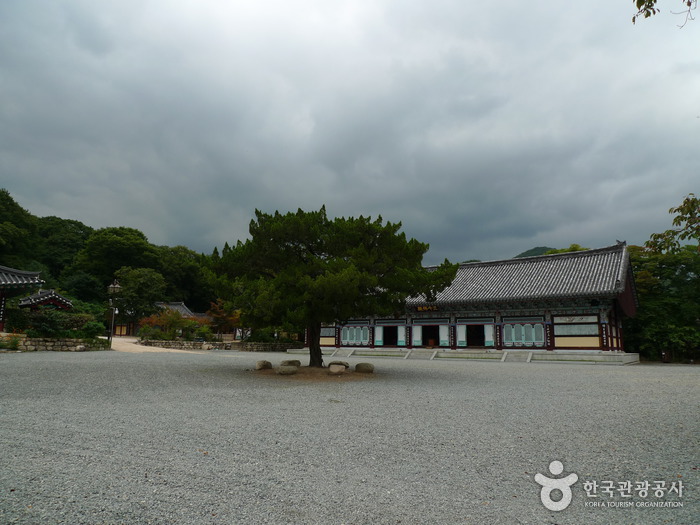
Girimsa Temple is located in Hamwolsan Mountain in Yangbuk-myeon, Gyeongju. The temple was built in the Silla Era and, with 16 buildings, is the second largest temple after Bulguksa. <br><br>
Legend has it that the temple was originally built by the Venerable Gwang-yu, a sage from India, in the early part of the Silla Kingdom. The temple was reportedly called Imjeongsa at first, but was later changed to Girimsa after undergoing expansive renovations by Monk Wonhyo. It is still unclear exactly what year the temple was built in.
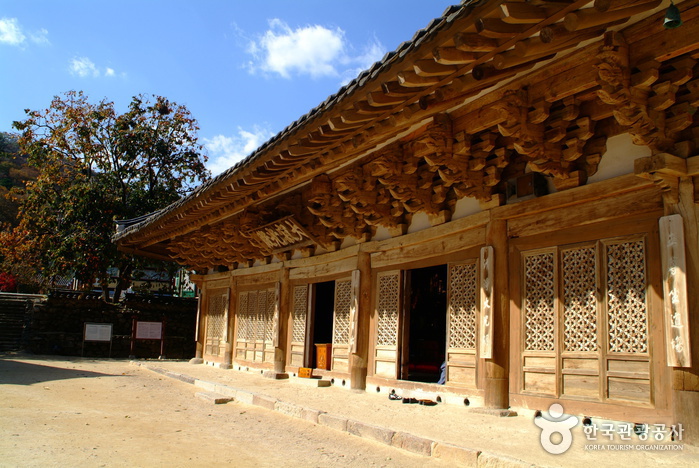
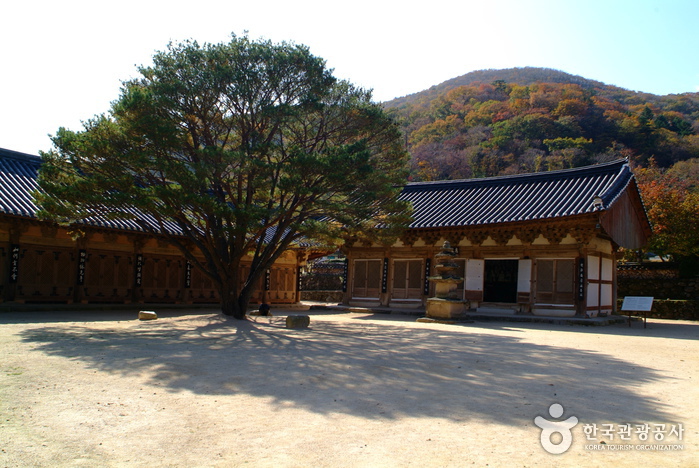
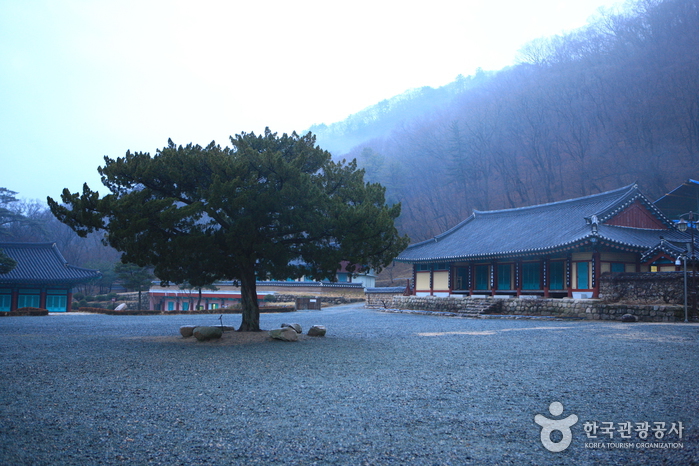
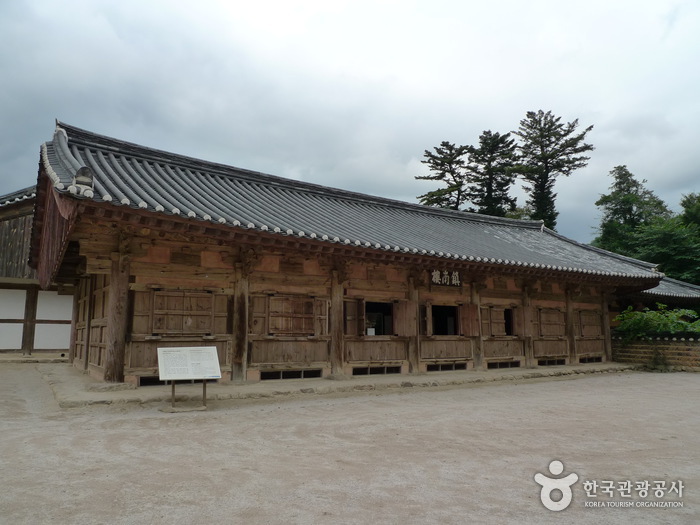
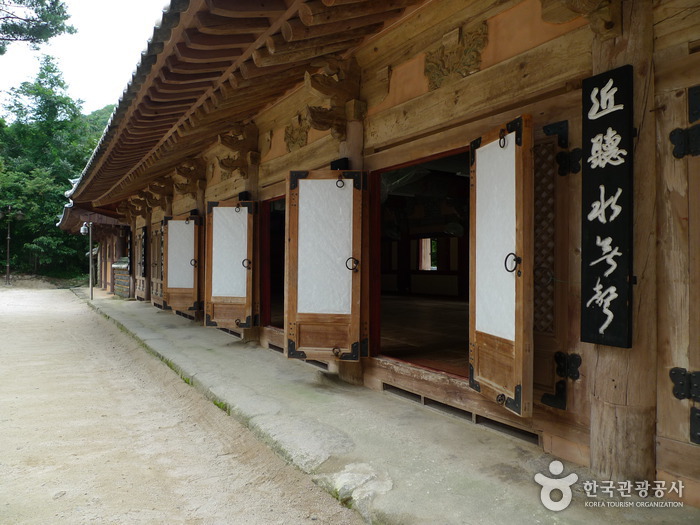
<br><br>Girimsa is divided into two main areas. The first is the area around Daejeokgwangjeon Hall where the statue of Birojanabul is enshrined. The second is the area around the majestic 500-year-old bo tree (a kind of large fig tree) that is home to a wooden pagoda, the Seongbo Museum, Samsingak, Mangbujeon, and Gwaneumjeon halls. Daejeokgwangjeon Hall was first built during Queen Seondeok's reign, and was rebuilt six times since its original construction. Its simple but majestic architecture is characterized by baeheullim (aka, entasis columns) and a Dapoyangsik (Dapo-style) single-tiered gabled roof.
<br>
<br>Girimsa is famous for Ojongsu, water that is said to have five different tastes. It consists of gamrosu, which is best for making tea; hwajeongsu, which supposedly gives comfort to the drinker; janggunsu, which makes the body stronger; myeongansu, which gives clear vision; and otaksu, which is said to sparkle so brightly that it attracts all the birds of the air. During Japanese colonial rule, the source of janggunsu, literally meaning ‘water of a general,’ was reportedly blocked off by Japanese soldiers, who were afraid the water would give the Korean people the strength to overthrow them. Except for janggunsu, water still continues to flow from each source. <br>
On the way to Girimsa temple is Golgulsa Temple, well known for its 12 grottos. Golgulsa was originally a hermitage of Girimsa. After becoming an independent institution, it became the center of Seonmudo practice in Korea. The temple aims to promote the art of seonmudo on a national and international level.
Legend has it that the temple was originally built by the Venerable Gwang-yu, a sage from India, in the early part of the Silla Kingdom. The temple was reportedly called Imjeongsa at first, but was later changed to Girimsa after undergoing expansive renovations by Monk Wonhyo. It is still unclear exactly what year the temple was built in.
<br><br>Girimsa is divided into two main areas. The first is the area around Daejeokgwangjeon Hall where the statue of Birojanabul is enshrined. The second is the area around the majestic 500-year-old bo tree (a kind of large fig tree) that is home to a wooden pagoda, the Seongbo Museum, Samsingak, Mangbujeon, and Gwaneumjeon halls. Daejeokgwangjeon Hall was first built during Queen Seondeok's reign, and was rebuilt six times since its original construction. Its simple but majestic architecture is characterized by baeheullim (aka, entasis columns) and a Dapoyangsik (Dapo-style) single-tiered gabled roof.
<br>
<br>Girimsa is famous for Ojongsu, water that is said to have five different tastes. It consists of gamrosu, which is best for making tea; hwajeongsu, which supposedly gives comfort to the drinker; janggunsu, which makes the body stronger; myeongansu, which gives clear vision; and otaksu, which is said to sparkle so brightly that it attracts all the birds of the air. During Japanese colonial rule, the source of janggunsu, literally meaning ‘water of a general,’ was reportedly blocked off by Japanese soldiers, who were afraid the water would give the Korean people the strength to overthrow them. Except for janggunsu, water still continues to flow from each source. <br>
On the way to Girimsa temple is Golgulsa Temple, well known for its 12 grottos. Golgulsa was originally a hermitage of Girimsa. After becoming an independent institution, it became the center of Seonmudo practice in Korea. The temple aims to promote the art of seonmudo on a national and international level.
Location
📍 Open in Google MapsHow to Get There
Info: • 1330 Travel Hotline: +82-2-1330 (Korean, English, Japanese, Chinese) • For more info: +82-54-744-2292
Best Time to Visit
South Korea has four distinct seasons. Spring (March–May) and autumn (September–November) are the most popular times to visit. Summer brings humidity and occasional typhoons, while winter is cold but great for ski resorts and festivals.
Frequently Asked Questions
Winter season 08:00-17:00 / Summer season 08:00-18:00
Available
N/A (open all year round)
• 1330 Travel Hotline: +82-2-1330
(Korean, English, Japanese, Chinese)
• For more info: +82-54-744-2292
(Korean, English, Japanese, Chinese)
• For more info: +82-54-744-2292
Photos
© Korea Tourism Organization · Source required · No modifications