Maguryeong Pass / Gochiryeong Pass (마구령/고치령)
Gyeongbuk · [Maguryeong Pass] Imgok-ri, Buseok-myeon, Yeongju-si, Gyeongsangbuk-do
Hours
Open 24 hr
Open 24 hr
Address
[Maguryeong Pass] Imgok-ri, Buseok-myeon, Yeongju-si, Gyeongsangbuk-do
[Gochiryeong Pass] 1522-4 Yeongdan-ro, Dansan-myeon, Yeongju-si, Gyeongsangbuk-do
[Maguryeong Pass] Imgok-ri, Buseok-myeon, Yeongju-si, Gyeongsangbuk-do
[Gochiryeong Pass] 1522-4 Yeongdan-ro, Dansan-myeon, Yeongju-si, Gyeongsangbuk-do
Parking
Available
Available
Overview
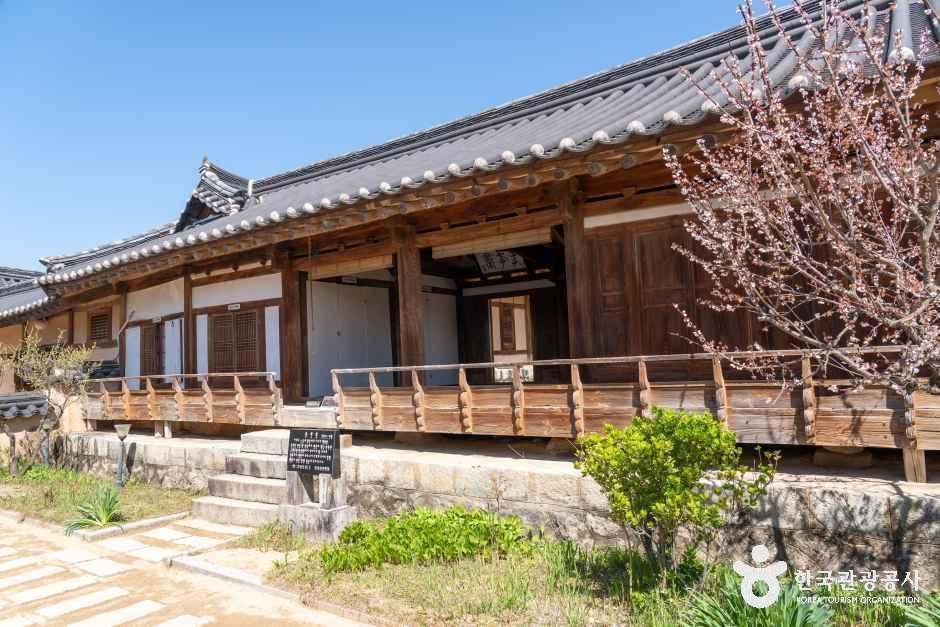
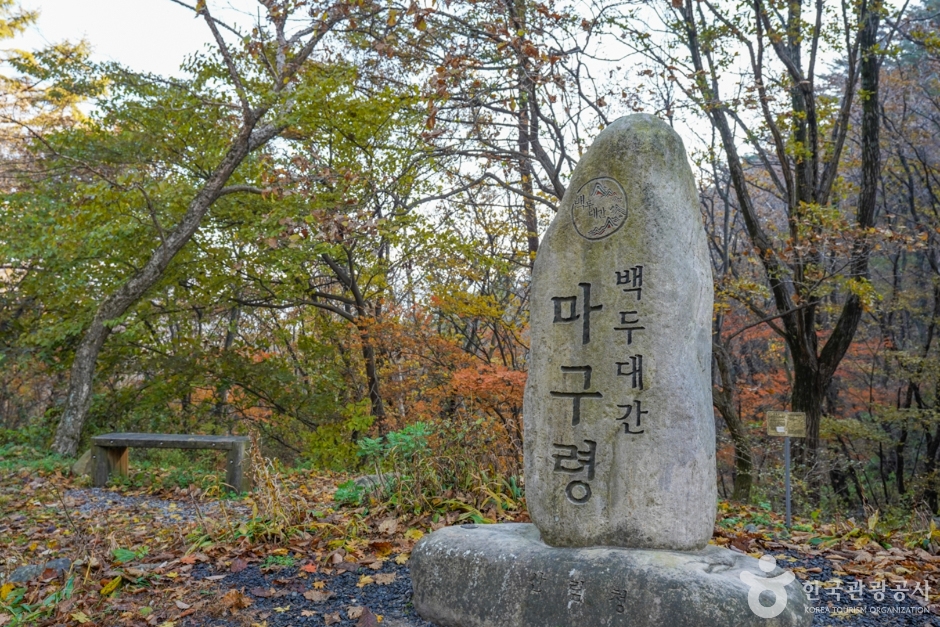
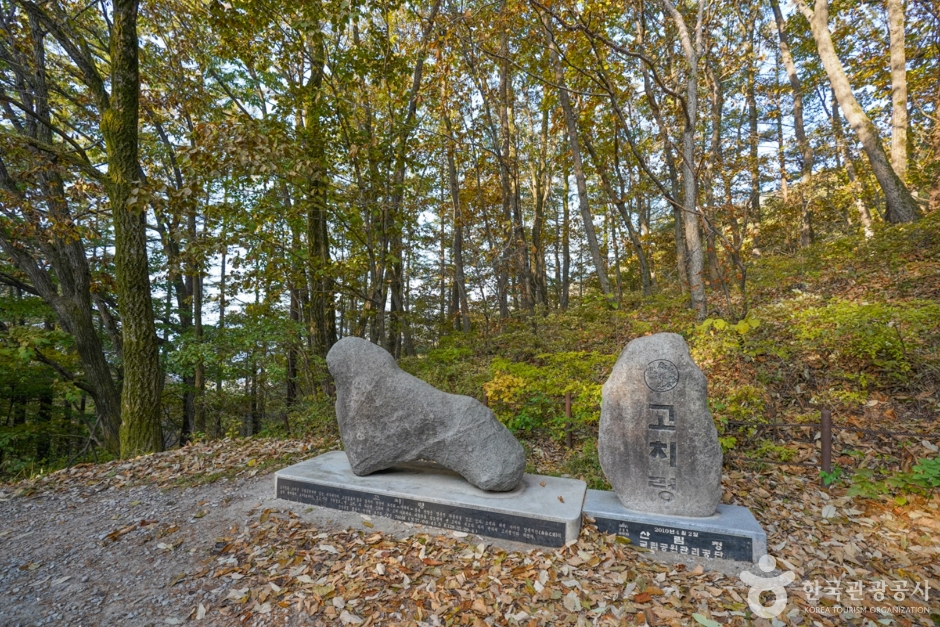
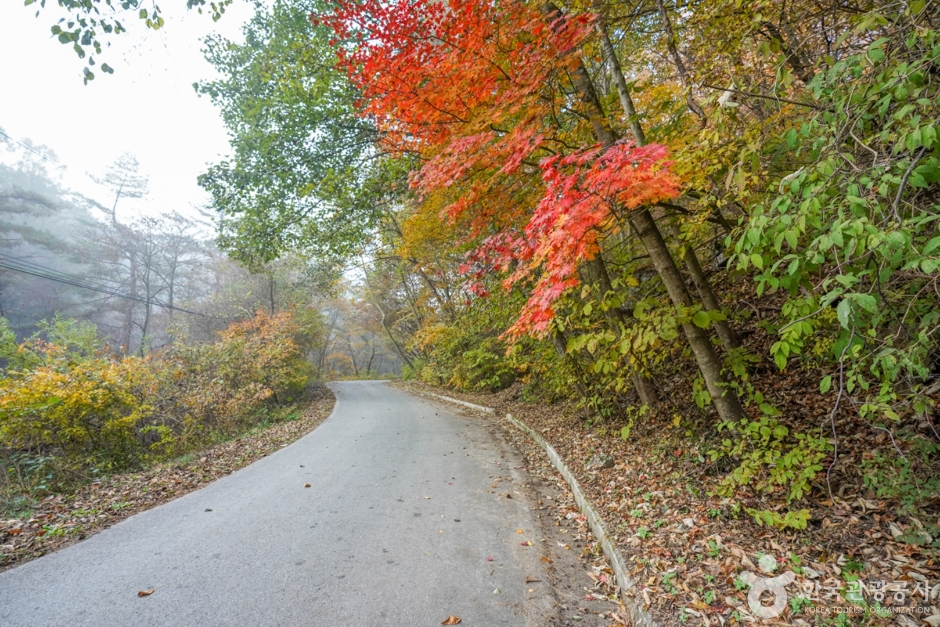
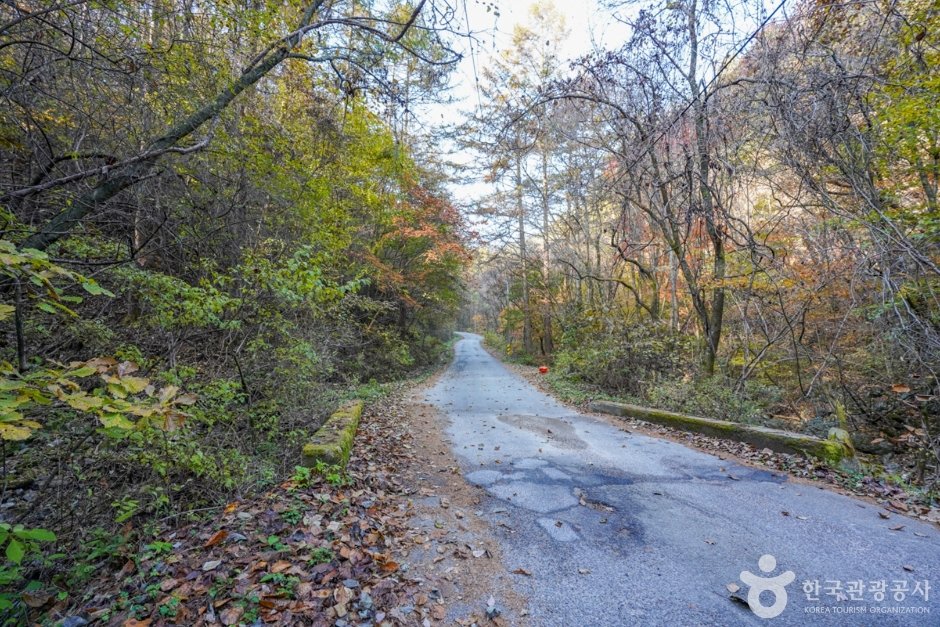
Maguryeong Pass and Gochiryeong Pass stand as iconic hills of Sobaeksan Mountain. They are known for their historical significance as rugged pathways where people and goods traversed during the Goryeo and Joseon dynasties. Situated on the easternmost edge of Sobaeksan Mountain, Maguryeong Pass derives its name from its function: "Magu" meaning "harness" and "Ryeong" meaning "pass" in Korean, highlighting its past as a route where merchants commonly traveled on horseback. Meanwhile, Gochiryeong Pass served as a vital transport link to the Gwandong and Hoseo regions. In the Silla dynasty, this pass was earmarked for palace construction at the base of the hill, which led to its name "Gochiryeong" – "Go" indicating "old", "Chi" representing "hill", and "Ryeong" meaning "pass" in Korean – effectively translating to "old hill pass".
Location
📍 Open in Google MapsHow to Get There
[Gochiryeong Pass] 1522-4 Yeongdan-ro, Dansan-myeon, Yeongju-si, Gyeongsangbuk-do
Info: +82-54-630-0700
Best Time to Visit
South Korea has four distinct seasons. Spring (March–May) and autumn (September–November) are the most popular times to visit. Summer brings humidity and occasional typhoons, while winter is cold but great for ski resorts and festivals.
Frequently Asked Questions
Open 24 hr
Available
N/A (Open all year round)
+82-54-630-0700
Photos

© Korea Tourism Organization · Source required · No modifications