Ssangyonggul Cave (Hallim Park) (쌍용굴 (한림공원))
Jeju · 300, Hallim-ro, Jeju-si, Jeju-do
Hours
March-May 09:00-17:20 / June-August 09:00-17:50 / September-October 09:00-17:30 / November-December 09:00-16:30
March-May 09:00-17:20 / June-August 09:00-17:50 / September-October 09:00-17:30 / November-December 09:00-16:30
Address
300, Hallim-ro, Jeju-si, Jeju-do
300, Hallim-ro, Jeju-si, Jeju-do
Parking
Available
Available
Overview
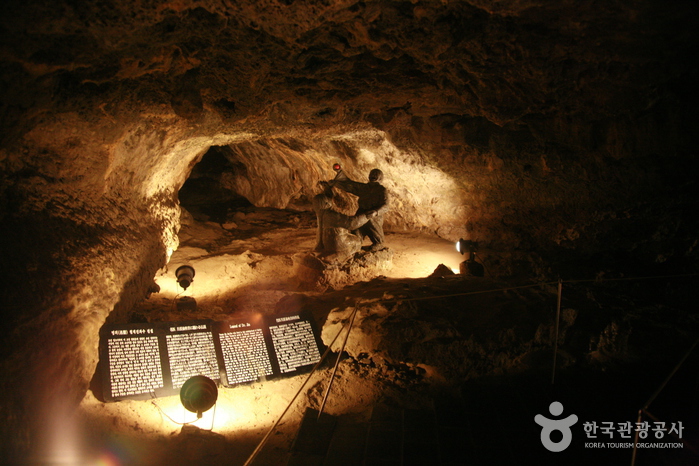
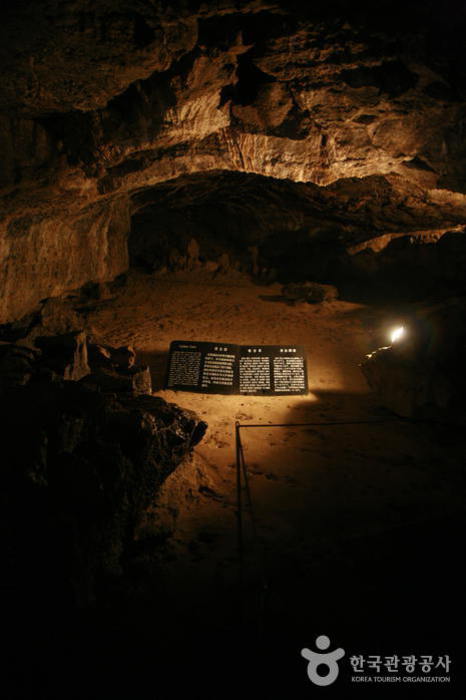
Ssangyonggul Cave, a designated Natural Monument, is one of the representative lava tubes of Jeju Island along with Hwanggeumgul, Socheongul, and Manjanggul caves. The cave measures approximately 400 meters in length, 6 meters in x_width, and 3 meters in x_height. It is thought to have been created by lava that erupted from Hallasan Mountain some 25 million years ago.
<br><br>
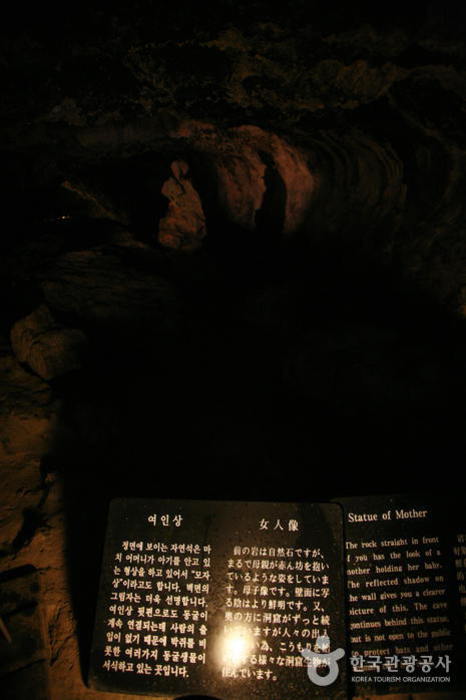
One of the unique features of this particular cave is that it has features of both a lava tube and a limestone cave. The entire area surrounding the cave is a huge stratum of seashells and sand, while the interior is a mystical mix of stalactites and stalagmites. Lime covers the cave walls in a series of natural swirls and streaks, bringing to mind the strokes of an abstract painting. Since the cave stays at a constant 17-18℃ throughout the year, it’s a welcome escape from the heat in the summer and a great place to warm up in the winter.
<br><br>
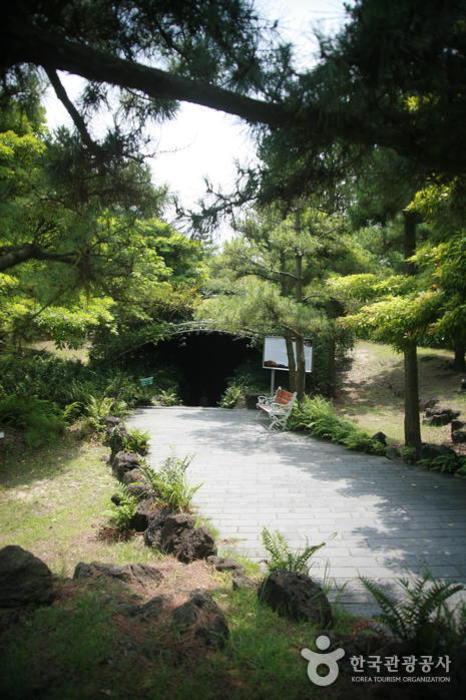
The cave gets its name from its two branches, which are said to look like the paths of two dragons (‘Ssangyong’ meaning ‘two dragons’ in Korean). It is thought that Ssangyonggul Cave and Hyeopjaegul Cave were once one cave since the second entrance of Ssangyonggul Cave is so close to the end of Hyeopjaegul Cave.
<br><br>
One of the unique features of this particular cave is that it has features of both a lava tube and a limestone cave. The entire area surrounding the cave is a huge stratum of seashells and sand, while the interior is a mystical mix of stalactites and stalagmites. Lime covers the cave walls in a series of natural swirls and streaks, bringing to mind the strokes of an abstract painting. Since the cave stays at a constant 17-18℃ throughout the year, it’s a welcome escape from the heat in the summer and a great place to warm up in the winter.
<br><br>
The cave gets its name from its two branches, which are said to look like the paths of two dragons (‘Ssangyong’ meaning ‘two dragons’ in Korean). It is thought that Ssangyonggul Cave and Hyeopjaegul Cave were once one cave since the second entrance of Ssangyonggul Cave is so close to the end of Hyeopjaegul Cave.
Location
📍 Open in Google MapsHow to Get There
Info: • 1330 Travel Hotline: +82-64-1330 (Korean, English, Japanese, Chinese) • For more info: +82-64-796-0001
Best Time to Visit
South Korea has four distinct seasons. Spring (March–May) and autumn (September–November) are the most popular times to visit. Summer brings humidity and occasional typhoons, while winter is cold but great for ski resorts and festivals.
Frequently Asked Questions
March-May 09:00-17:20 / June-August 09:00-17:50 / September-October 09:00-17:30 / November-December 09:00-16:30
Available
N/A (Open all year round)
• 1330 Travel Hotline: +82-64-1330 (Korean, English, Japanese, Chinese)
• For more info: +82-64-796-0001
• For more info: +82-64-796-0001
Photos