Muju Gucheong-dong Special Tourist Zone (무주구천동관광특구)
Jeonbuk · Seolcheon-myeon, Muju-gun, Jeonbuk-do
Address
Seolcheon-myeon, Muju-gun, Jeonbuk-do
Seolcheon-myeon, Muju-gun, Jeonbuk-do
Parking
Parking lots at Deogyusan National Park and Muju Gucheondong tourist sites
Parking lots at Deogyusan National Park and Muju Gucheondong tourist sites
Overview
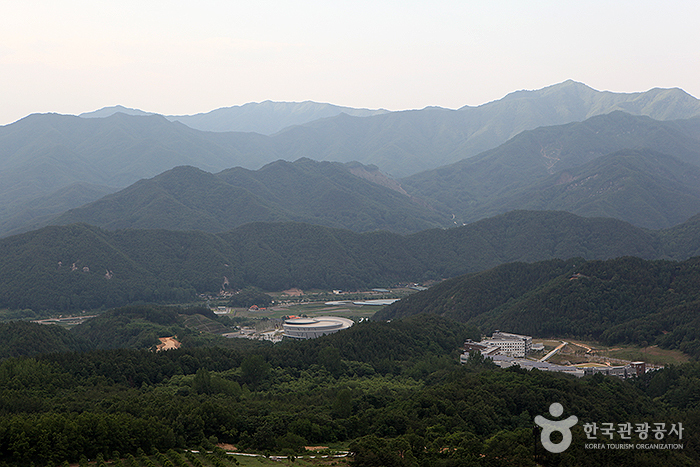
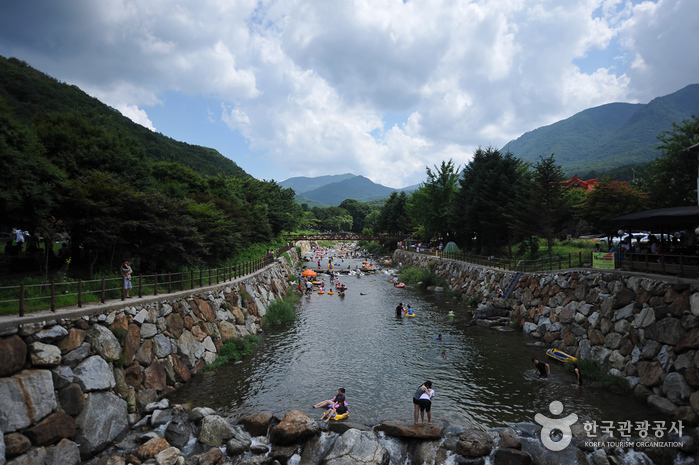
At the heart of the Muju Gucheondong Special Tourist Zone is Muju Gucheondong Valley. The outer parts of Deogyusan National Park and the mountain’s natural recreation forest are also part of the special tourist zone.
<br><br>
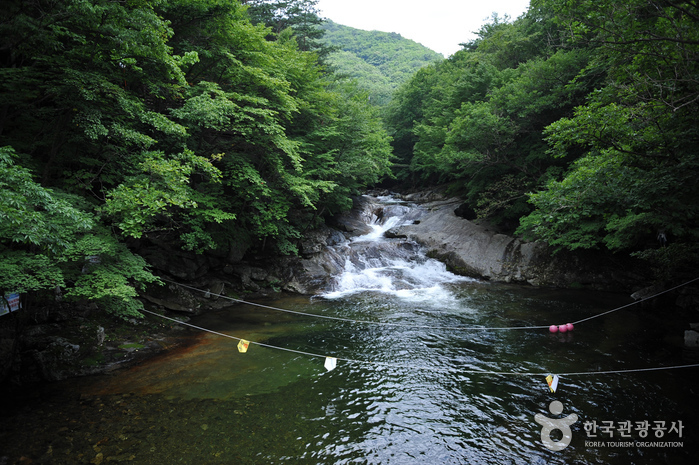
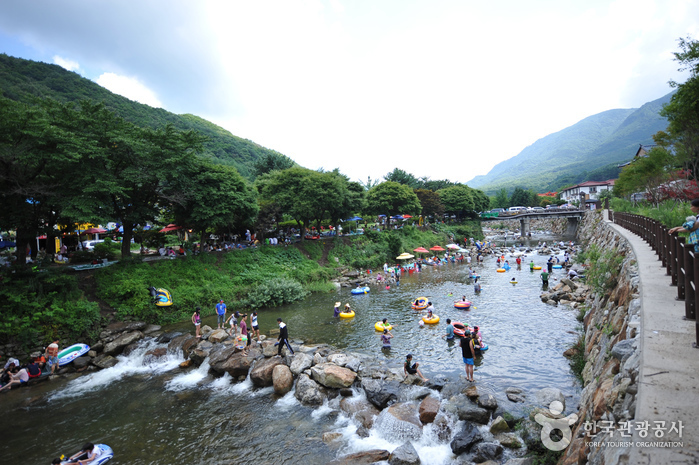
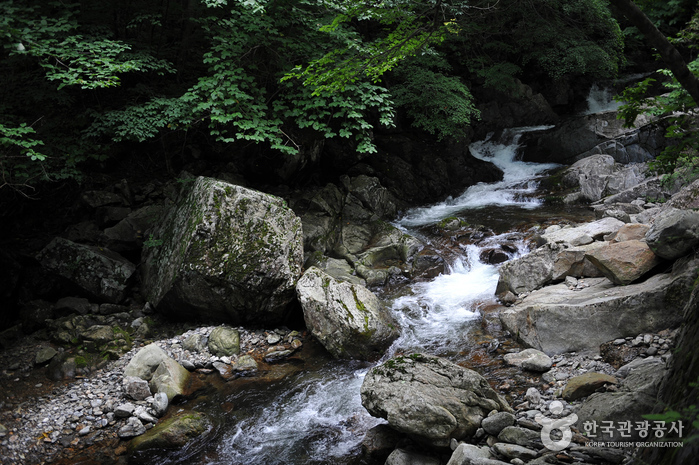
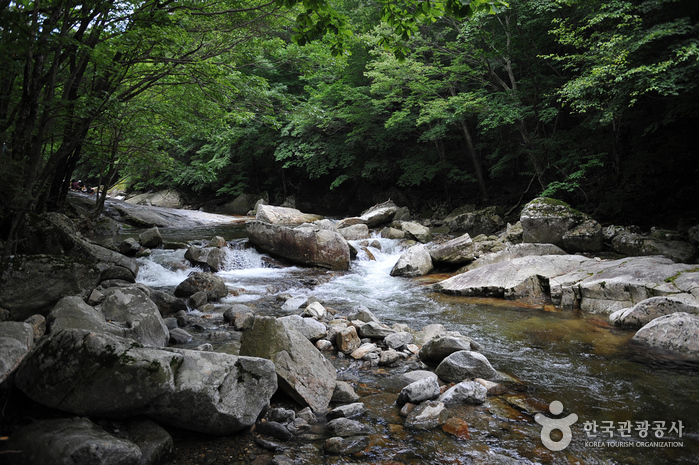
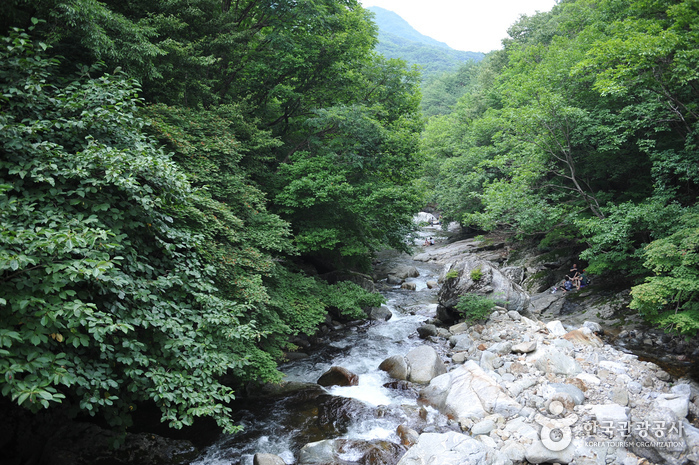
The 30-kilometer-long Muju Gucheondong Valley is located to the north of Deogyusan National Park. The calm and soothing sound of the water flowing through a lush forest make this a great summer destination. The 33 scenic points of Gucheondong include Eunguam Rock, Haksodae Falls, Waryongdam Pond, Gucheon Waterfall and Yeonhwa Waterfall. In the summer, visitors can see the
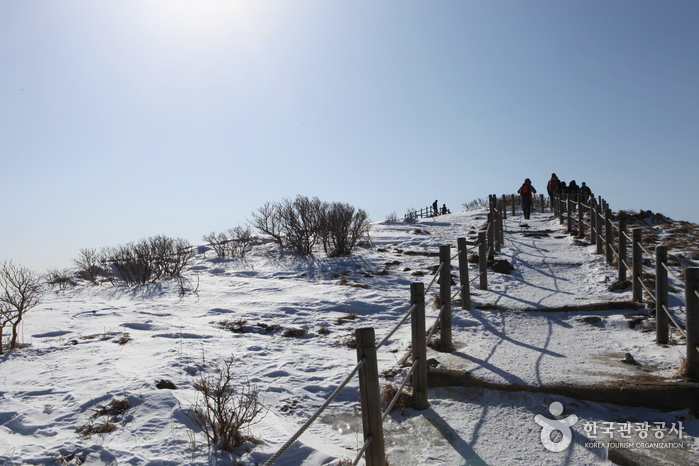
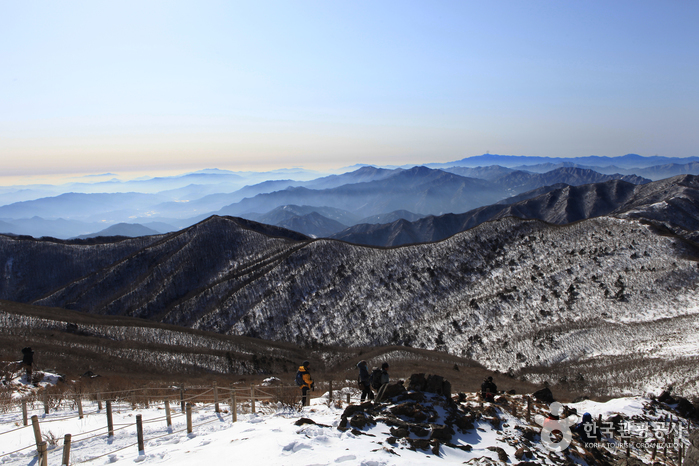
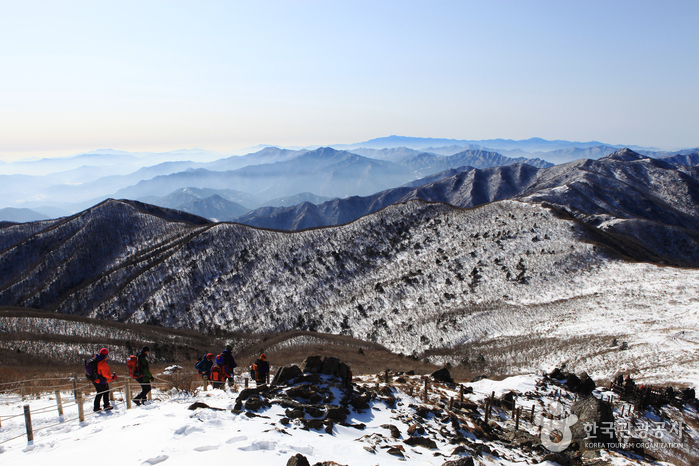
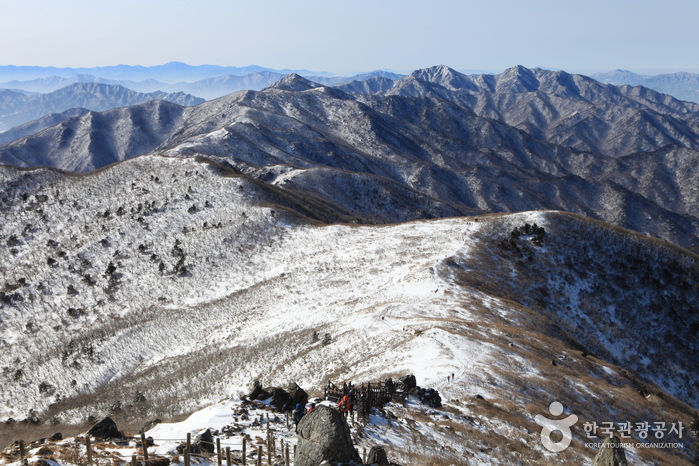
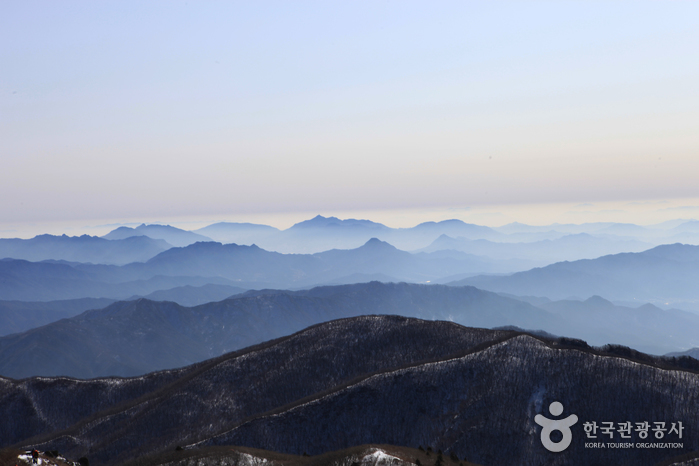
rare sight of fireflies in their natural habitat. The fall foliage in autumn and the winter snowscape are also quite exquisite.
<br><br>
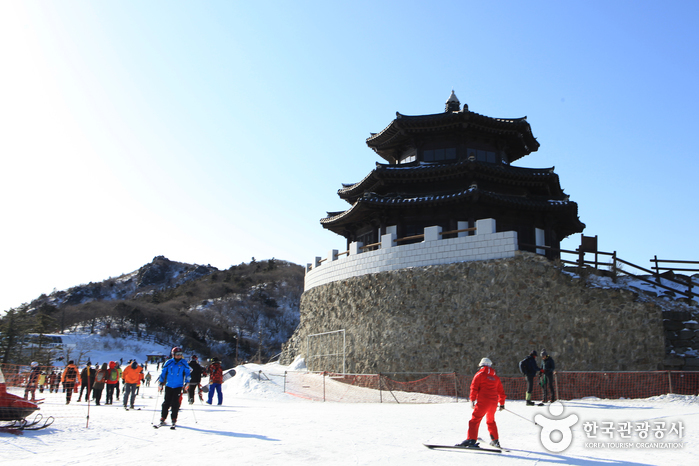
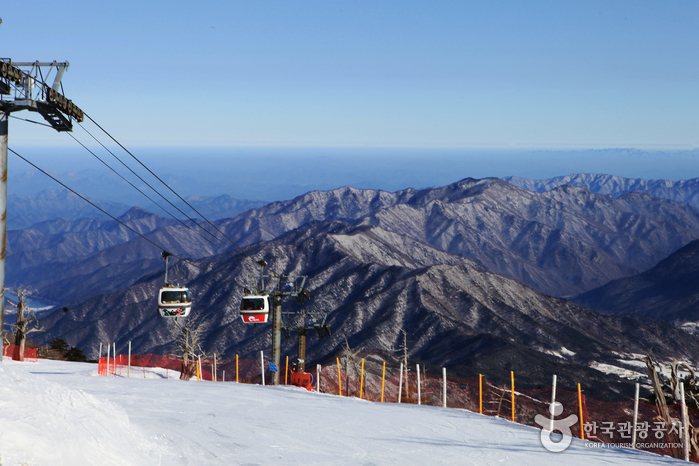
Within the vicinity of Muju Gucheondong is Muju Resort. The resort complex is made up of a family hotel, resort condominium and various recreational facilities where visitors can enjoy skiing, hiking, horseback riding and mountain biking. Visitors can take the gondola from the resort all the way up to Deogyusan Mountain’s Seolcheonbong Peak (1,520 meters). From, there, they can easily reach the summit at Hyangjeokbong Peak (1,614 meters).
<br><br>
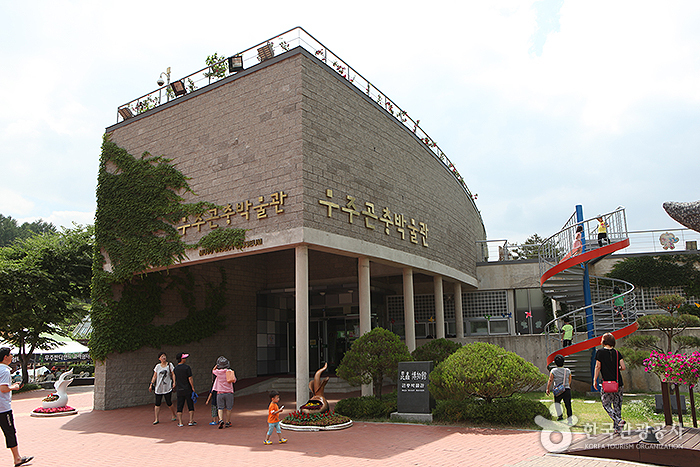
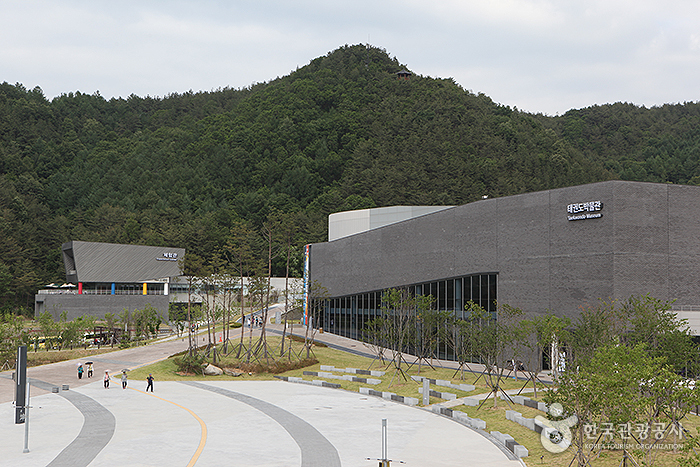
Taekwondowon, located near the Muju Gucheondong Special Tourist Zone, offers a hands-on Taekwondo experience program. Those who are interested in learning Taekwondo can take part in a 1-day program which includes a Taekwondo demonstration, a Taekwondo class (basic movements), and board breaking.
<br><br><br>
<b>[Muju Gucheondong Special Tourist Zone]<br>
</b>
<b>Areas Covered:</b> Mupung-myeon (Samgoe-ri) and Seolcheon-myeon (Samgong-ri and Simgok-ri) in Muju-gun, Jeollabuk-do <br>
<b>Area size:</b> 7,610,000 ㎡ <br>
<b>Tourist Attractions:</b> Deogyusan National Park, 33 Scenic Views of Muju, Gucheondong Valley, Muju Resort, forest park, Taekwondowon, Muju Hyanggyo (Confucian school), Baengnyeonsa Temple, Jeoksansanseong Fortress, etc.
<br><br>
The 30-kilometer-long Muju Gucheondong Valley is located to the north of Deogyusan National Park. The calm and soothing sound of the water flowing through a lush forest make this a great summer destination. The 33 scenic points of Gucheondong include Eunguam Rock, Haksodae Falls, Waryongdam Pond, Gucheon Waterfall and Yeonhwa Waterfall. In the summer, visitors can see the
rare sight of fireflies in their natural habitat. The fall foliage in autumn and the winter snowscape are also quite exquisite.
<br><br>
Within the vicinity of Muju Gucheondong is Muju Resort. The resort complex is made up of a family hotel, resort condominium and various recreational facilities where visitors can enjoy skiing, hiking, horseback riding and mountain biking. Visitors can take the gondola from the resort all the way up to Deogyusan Mountain’s Seolcheonbong Peak (1,520 meters). From, there, they can easily reach the summit at Hyangjeokbong Peak (1,614 meters).
<br><br>
Taekwondowon, located near the Muju Gucheondong Special Tourist Zone, offers a hands-on Taekwondo experience program. Those who are interested in learning Taekwondo can take part in a 1-day program which includes a Taekwondo demonstration, a Taekwondo class (basic movements), and board breaking.
<br><br><br>
<b>[Muju Gucheondong Special Tourist Zone]<br>
</b>
<b>Areas Covered:</b> Mupung-myeon (Samgoe-ri) and Seolcheon-myeon (Samgong-ri and Simgok-ri) in Muju-gun, Jeollabuk-do <br>
<b>Area size:</b> 7,610,000 ㎡ <br>
<b>Tourist Attractions:</b> Deogyusan National Park, 33 Scenic Views of Muju, Gucheondong Valley, Muju Resort, forest park, Taekwondowon, Muju Hyanggyo (Confucian school), Baengnyeonsa Temple, Jeoksansanseong Fortress, etc.
Location
📍 Open in Google MapsHow to Get There
Info: • 1330 Travel Hotline: +82-2-1330 (Korean, English, Japanese, Chinese) • For more info: +82-63-320-2114
Best Time to Visit
South Korea has four distinct seasons. Spring (March–May) and autumn (September–November) are the most popular times to visit. Summer brings humidity and occasional typhoons, while winter is cold but great for ski resorts and festivals.
Frequently Asked Questions
Parking lots at Deogyusan National Park and Muju Gucheondong tourist sites
• 1330 Travel Hotline: +82-2-1330 (Korean, English, Japanese, Chinese) • For more info: +82-63-320-2114
Photos
© Korea Tourism Organization · Source required · No modifications