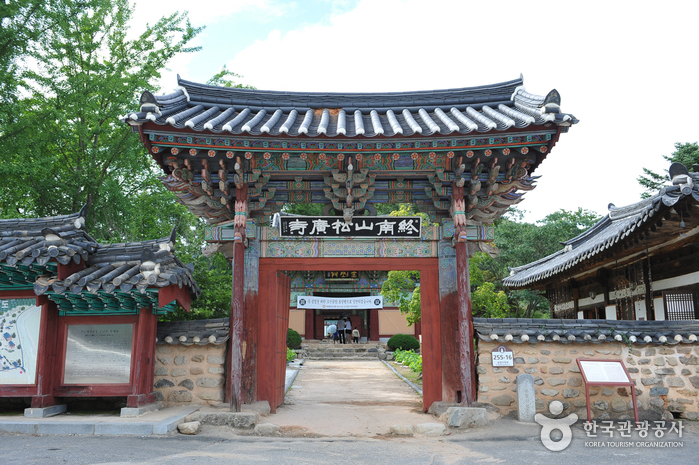
Wanju Songgwangsa Temple (송광사(완주))
Jeonbuk · 255-16, Songgwangsuman-ro, Wanju-gun, Jeonbuk-do
Address
255-16, Songgwangsuman-ro, Wanju-gun, Jeonbuk-do
255-16, Songgwangsuman-ro, Wanju-gun, Jeonbuk-do
Parking
Available
Available
Overview
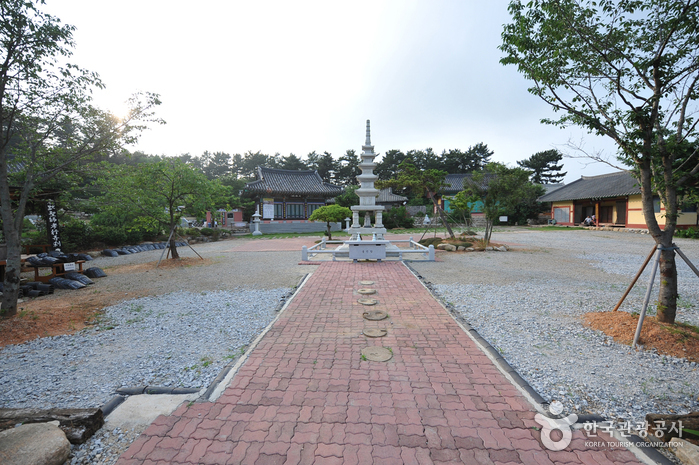
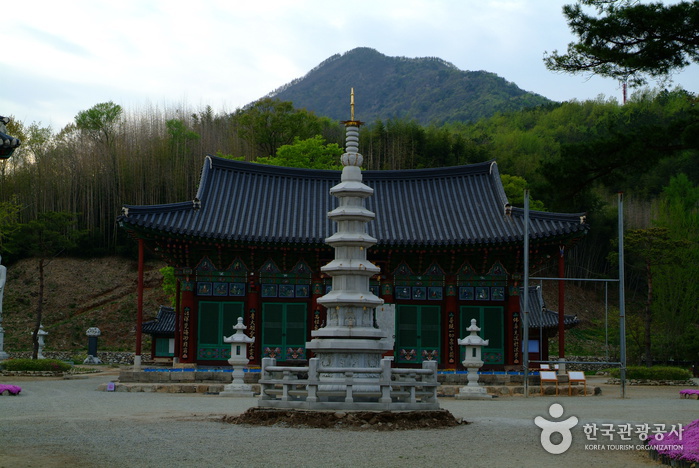
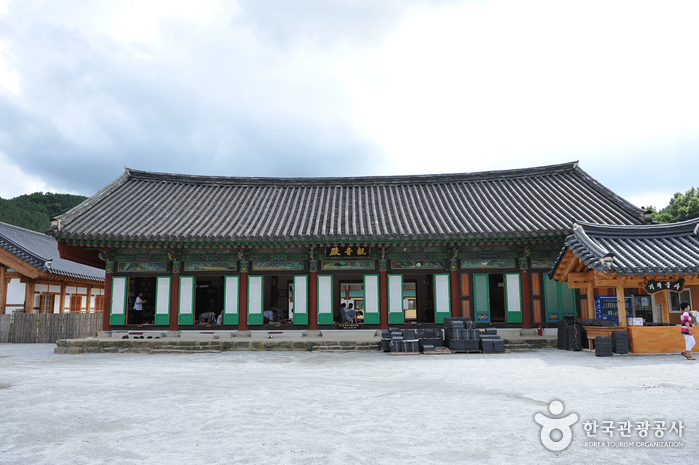
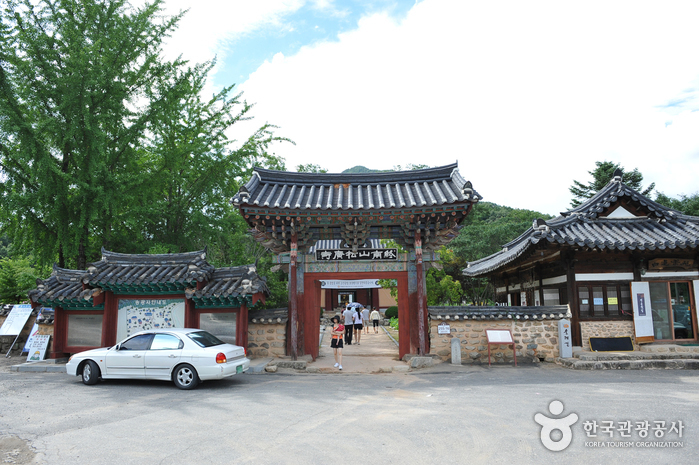
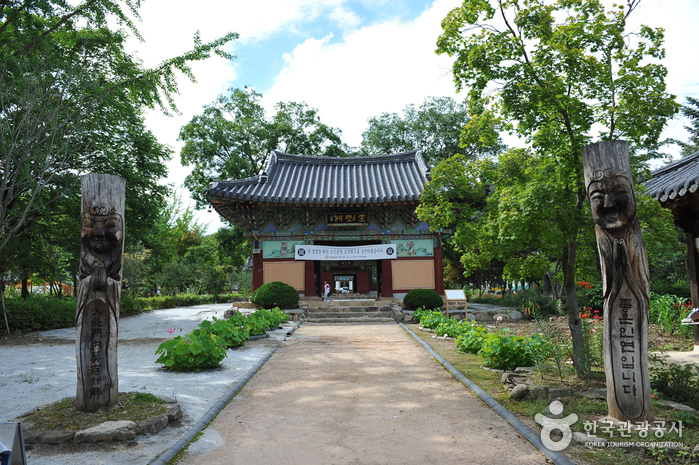
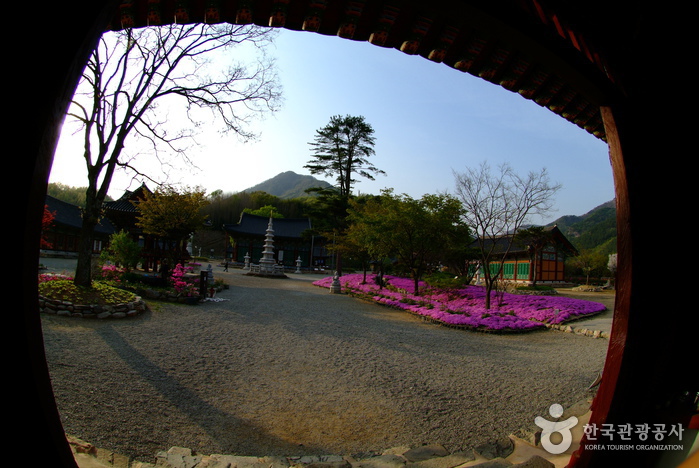
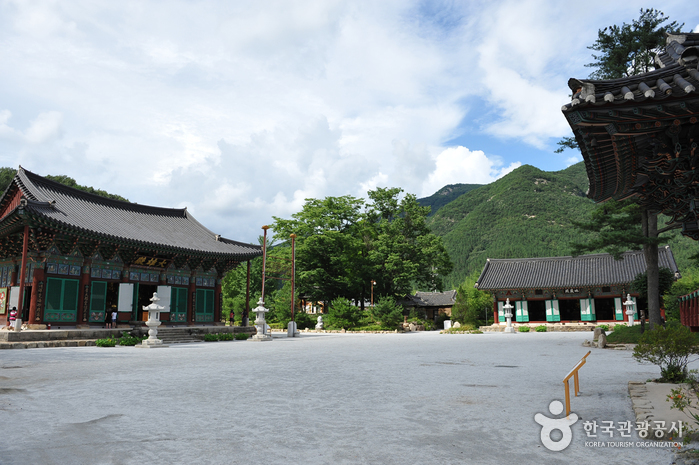
Songgwangsa Temple in Wanju-gun, Jeollabuk-do has a unique history that spans a period of over a thousand years. For many years the temple lay incomplete until Monk Bojo Chejing began reconstruction in the 7th year of King Gyeongmun of Silla (AD 867). The temple was destroyed at one point in time, but Master Monk Jinul prayed that it be rebuilt. In accordance with his fervent hopes, in the 1600s the monk’s followers rebuilt a number of the temple’s halls and buildings, many of which can still be seen today. The temple is also remembered as the temple that King Injo helped rebuild with the hope that his two sons, who had been taken hostage by the Qing dynasty during the Byeongjahoran War (Chinese invasion of Korea in 1636), would be returned safely and that Buddha would heal the nation.<br><br>
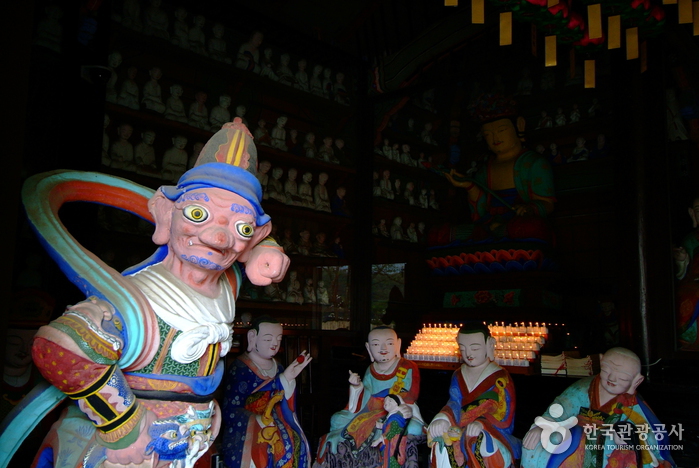
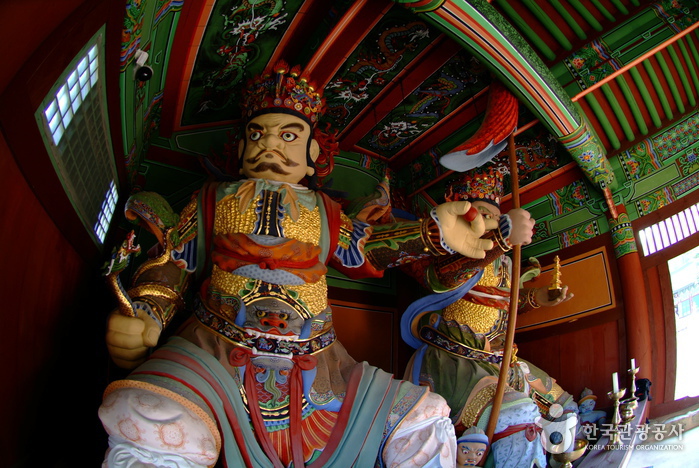
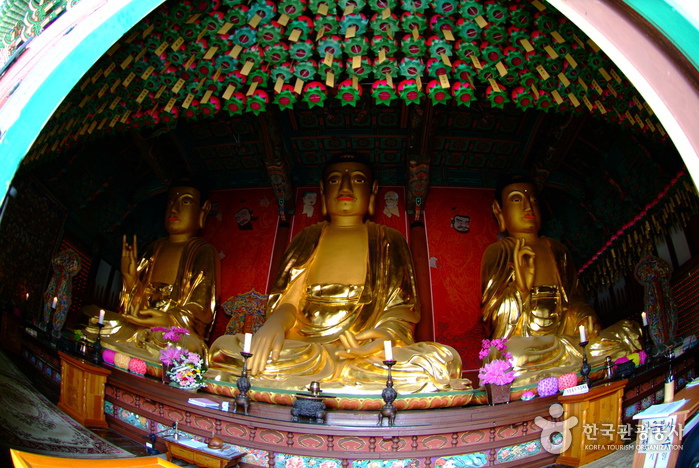
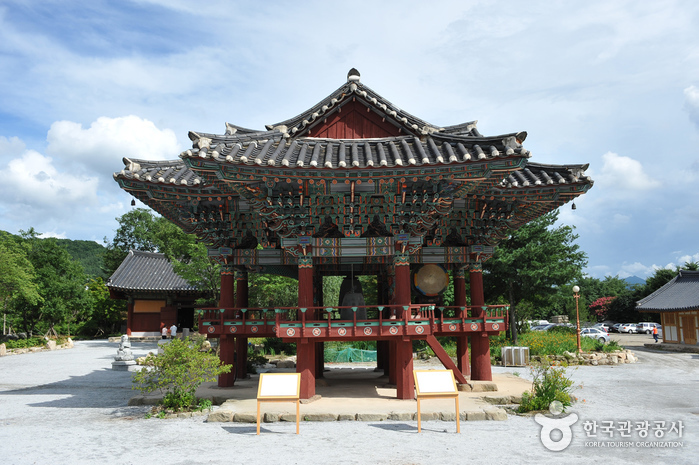
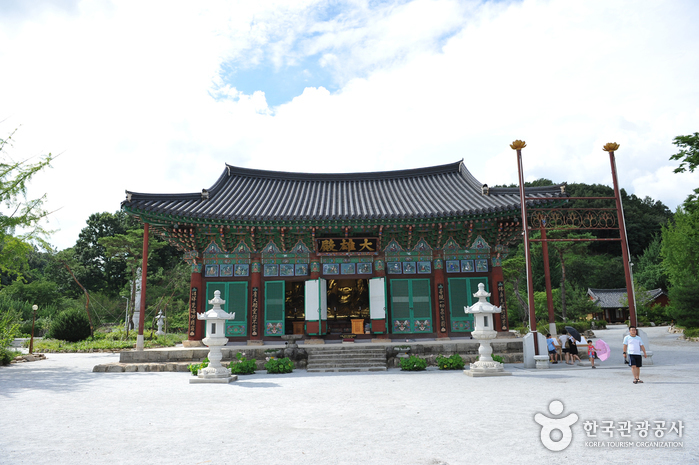
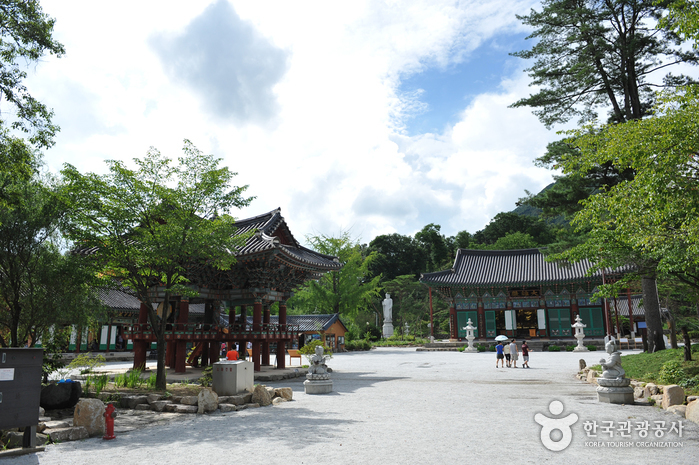
One of the Korea’s four major temples, Songgwangsa is home to Jijangbosal and Siwangsang statues (found in Jijangjeon Hall), a Seokgayeorae statue, and 500 Nahansang statues (found in Nahanjeon Hall). The temple is also home to eight Tangible Cultural Assets and four Treasured Cultural Assets: Daeungjeon Hall, the Samsebulsang statues, the bell-tower, and the Sacheonwangsang statue.
<br><br>
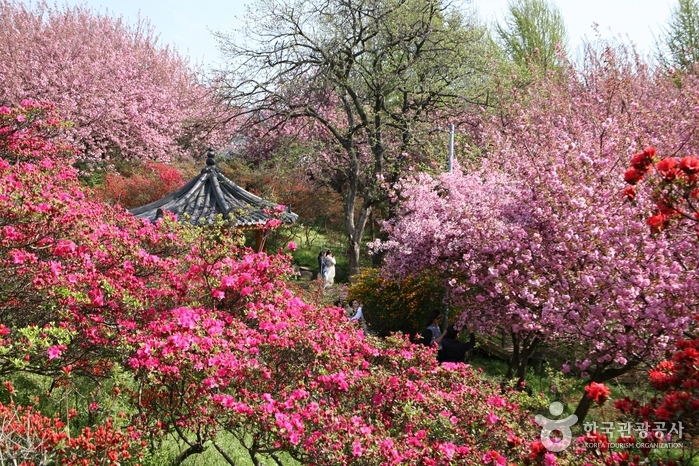
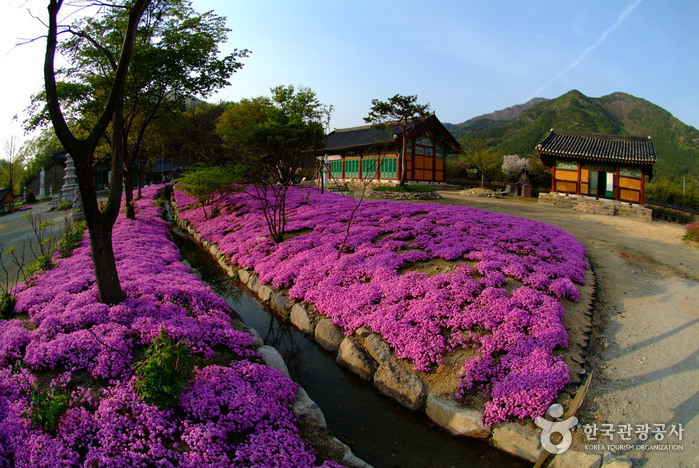
Beloved for its historical significance as well as its beauty, the temple draws throngs of worshipers throughout the year. In spring, many tourists flock to the area to explore the temple and walk through the nearby cherry blossom tunnels. A worthwhile attraction for visitors of all ages, the temple is particularly well-suited for those with mobility problems since it is located on ground level.
One of the Korea’s four major temples, Songgwangsa is home to Jijangbosal and Siwangsang statues (found in Jijangjeon Hall), a Seokgayeorae statue, and 500 Nahansang statues (found in Nahanjeon Hall). The temple is also home to eight Tangible Cultural Assets and four Treasured Cultural Assets: Daeungjeon Hall, the Samsebulsang statues, the bell-tower, and the Sacheonwangsang statue.
<br><br>
Beloved for its historical significance as well as its beauty, the temple draws throngs of worshipers throughout the year. In spring, many tourists flock to the area to explore the temple and walk through the nearby cherry blossom tunnels. A worthwhile attraction for visitors of all ages, the temple is particularly well-suited for those with mobility problems since it is located on ground level.
Location
📍 Open in Google MapsHow to Get There
Info: • 1330 Travel Hotline: +82-2-1330 (Korean, English, Japanese, Chinese) • For more info: +82-63-243-8091
Best Time to Visit
South Korea has four distinct seasons. Spring (March–May) and autumn (September–November) are the most popular times to visit. Summer brings humidity and occasional typhoons, while winter is cold but great for ski resorts and festivals.
Frequently Asked Questions
Available
N/A (Open all year around)
• 1330 Travel Hotline: +82-2-1330
(Korean, English, Japanese, Chinese)
• For more info: +82-63-243-8091
(Korean, English, Japanese, Chinese)
• For more info: +82-63-243-8091
Photos


© Korea Tourism Organization · Source required · No modifications