Jindo Mysterious Sea Route (진도 신비의 바닷길)
Korea · 148, Sinbiuibadat-gil, Jindo-gun, Jeonnam-Gwangju Special Metropolitan City
Address
148, Sinbiuibadat-gil, Jindo-gun, Jeonnam-Gwangju Special Metropolitan City
148, Sinbiuibadat-gil, Jindo-gun, Jeonnam-Gwangju Special Metropolitan City
Overview
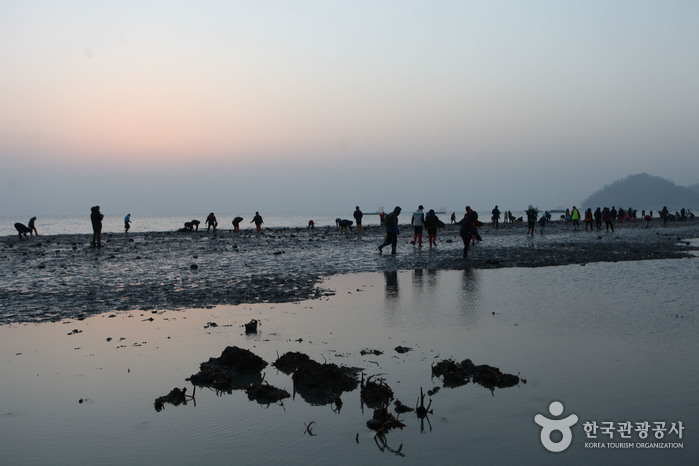
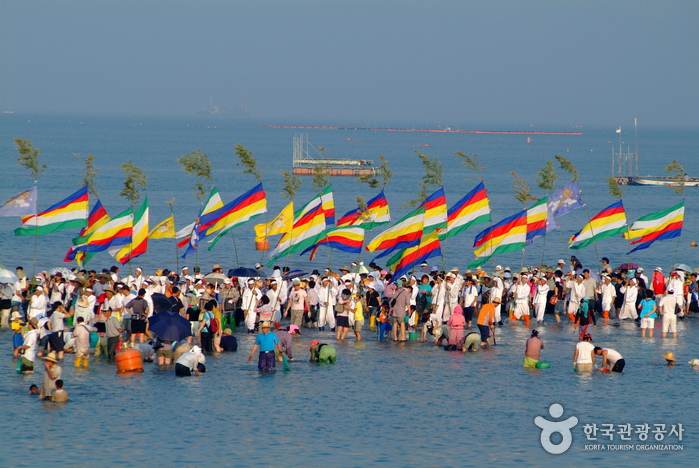
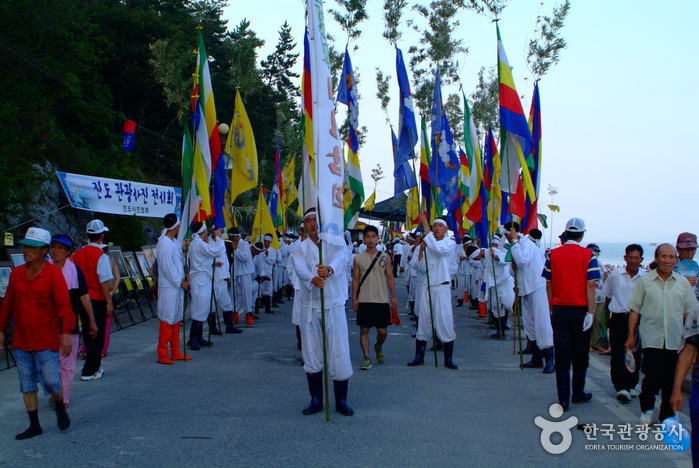
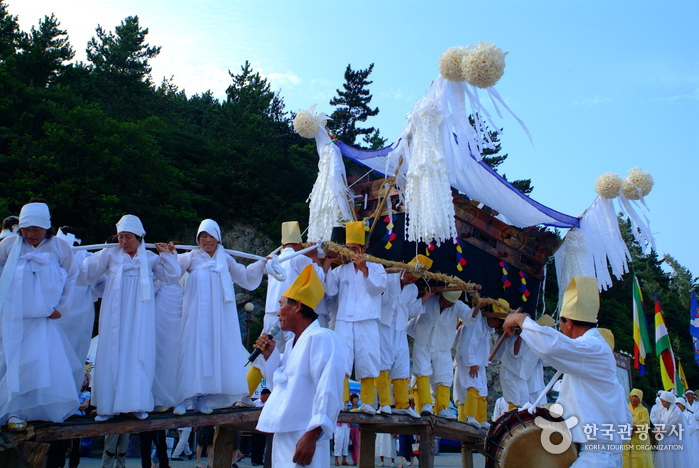
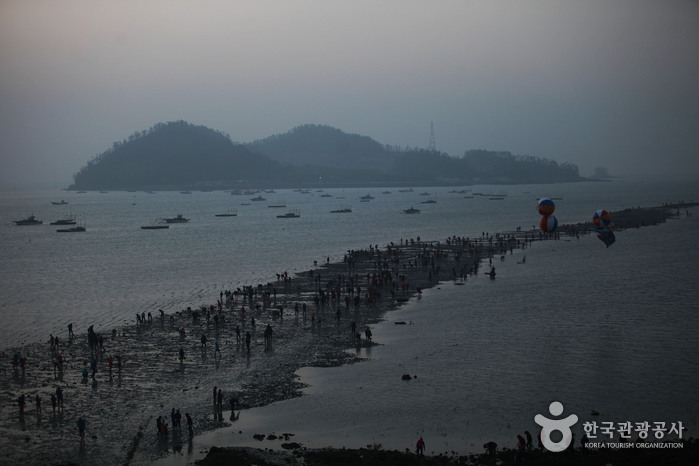
Jindo Island is the third largest island in Korea, next to Jeju Island and Geoje Island. It is made up of 250 smaller islands, and it is famous for a strip of dry road that appears from the middle of the sea, near the end of February and mid-June of the lunar calendar. As it resembles a passage in the Old Testament in the Book of Exodus, the event is called “The Miracle of Moses.” When the water recedes, a road about 30-40 meters wide and 2.8 kilometers long appears and stays for about an hour before being submerged again. <br /><br />Jindo Island has some legends which are still popular today, especially that of “Old Woman Bbyong of Hoedongri.” A long time ago, there were many tigers on Jindo Island. When tigers began appearing frequently in the village, the people fled to Modo Island. In the process, only the old woman Bbyong ended up remaining on the island, so the lady prayed every day to Yongwang, the god of the ocean, to let her see her family again. Around February, Yongwang appeared to her in her dream and said, “I will send a rainbow to the sea tomorrow; ride it and cross the ocean”. The next day old woman Bbyong went out to the sea and prayed again, and the seawater parted as the rainbow road appeared. Through this road, her family and the other villagers came back to the island. Therefore when the sea parts, the people celebrate this phenomenon by holding the Yeongdeung Festival to remember the Old Woman Bbyong. During the Festival, original folk plays of Jindo Island are performed and draw many tourists to Jindo Island.
Location
📍 Open in Google MapsHow to Get There
Info: •1330 Travel Hotline: +82-2-1330 (Korean, English, Japanese, Chinese)•For more info: +82-1588-9601, +82-61-540-6604
Best Time to Visit
South Korea has four distinct seasons. Spring (March–May) and autumn (September–November) are the most popular times to visit. Summer brings humidity and occasional typhoons, while winter is cold but great for ski resorts and festivals.
Frequently Asked Questions
•1330 Travel Hotline: +82-2-1330 (Korean, English, Japanese, Chinese)•For more info: +82-1588-9601, +82-61-540-6604
Photos
© Korea Tourism Organization · Source required · No modifications