Mudeungsan National Park (Gwangju) (무등산국립공원(광주))
Korea · Geumgok-dong, Buk-gu, Jeonnam-Gwangju Special Metropolitan City
Hours
Open 24 hr * Subject closure due to adverse weather; check before visiting
Open 24 hr * Subject closure due to adverse weather; check before visiting
Address
Geumgok-dong, Buk-gu, Jeonnam-Gwangju Special Metropolitan City
Geumgok-dong, Buk-gu, Jeonnam-Gwangju Special Metropolitan City
Parking
Available
Available
Overview
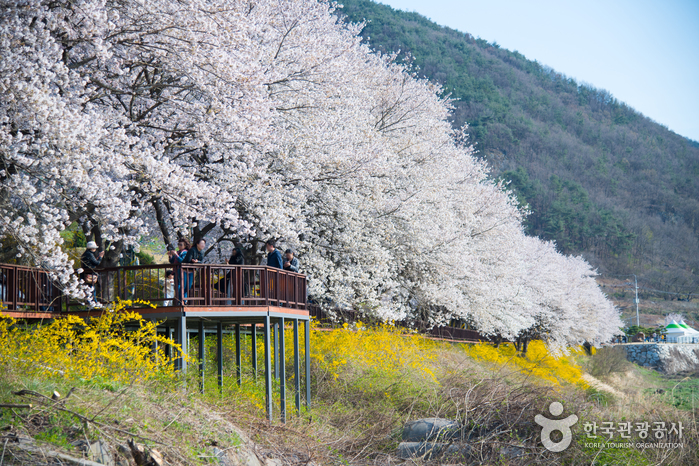
Mudeungsan National Park is a mountain park lining the edge of Hwasun-gun, Damyang-gun and Buk-gu. Mudeungsan Mountain (1,186 meters) features three rock peaks called Cheonwangbong, Jiwangbong, and Inwangbong, also known as the "Jeongsang Three."
Mudeungsan Mountain's gradual slope makes it an easy climb for all. Among the more majestic of these sites are the Seoseokdae, Gyubong, and Ipseokdae peaks. At the base of the mountain are several famous temples including Yaksasa, Jeungsimsa, and Wonhyosa Temples. Mudeungsan Mountain is also known for its beauty throughout the year. The autumn leaves around Gyubongam Hermitage and silver grass of Baengma Ridge are quite spectacular. In winter, snow and ice on the mountain create exquisite scenery as well. Below the mountain, there are a variety of recreational facilities and tourist sites for visitors.
Mudeungsan Mountain's gradual slope makes it an easy climb for all. Among the more majestic of these sites are the Seoseokdae, Gyubong, and Ipseokdae peaks. At the base of the mountain are several famous temples including Yaksasa, Jeungsimsa, and Wonhyosa Temples. Mudeungsan Mountain is also known for its beauty throughout the year. The autumn leaves around Gyubongam Hermitage and silver grass of Baengma Ridge are quite spectacular. In winter, snow and ice on the mountain create exquisite scenery as well. Below the mountain, there are a variety of recreational facilities and tourist sites for visitors.
Location
📍 Open in Google MapsHow to Get There
Info: +82-62-227-1187
Best Time to Visit
South Korea has four distinct seasons. Spring (March–May) and autumn (September–November) are the most popular times to visit. Summer brings humidity and occasional typhoons, while winter is cold but great for ski resorts and festivals.
Frequently Asked Questions
Open 24 hr * Subject closure due to adverse weather; check before visiting
Available
N/A (Open all year round)
+82-62-227-1187
Photos


© Korea Tourism Organization · Source required