Wolchulsan Gichan Land (월출산 기찬랜드)
Korea · 19-3, Gichan land-ro, Yeongam-gun, Jeonnam-Gwangju Special Metropolitan City
Hours
08:00-19:00
08:00-19:00
Address
19-3, Gichan land-ro, Yeongam-gun, Jeonnam-Gwangju Special Metropolitan City
19-3, Gichan land-ro, Yeongam-gun, Jeonnam-Gwangju Special Metropolitan City
Parking
Available
Available
Overview
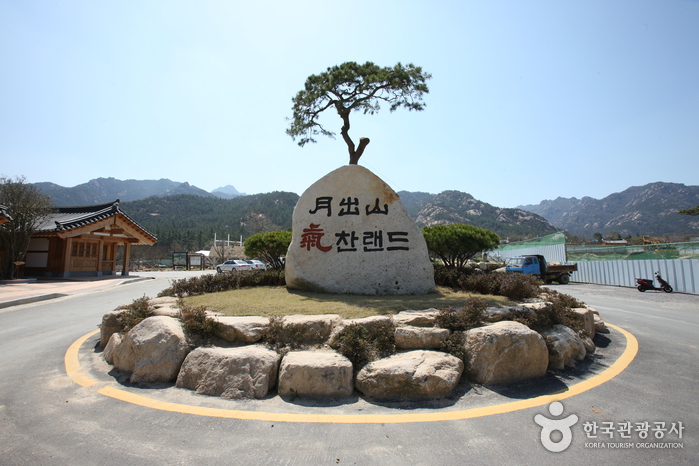
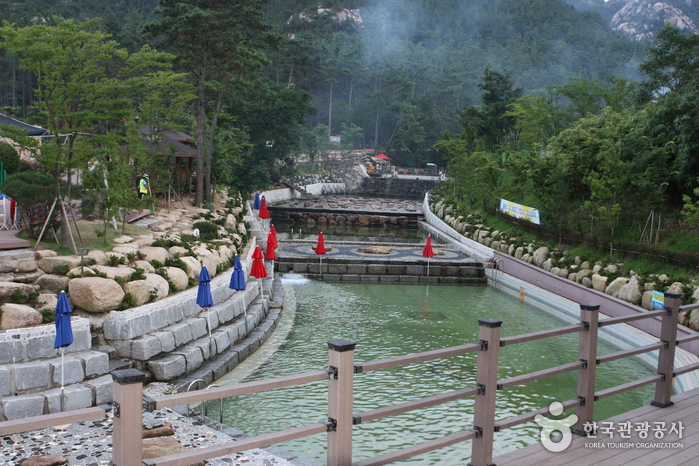
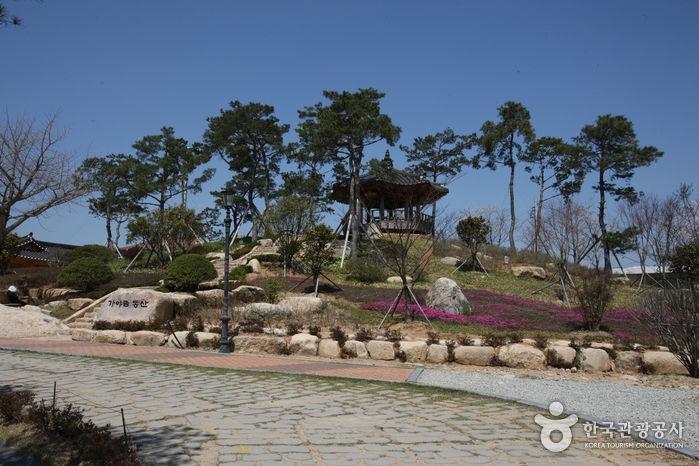
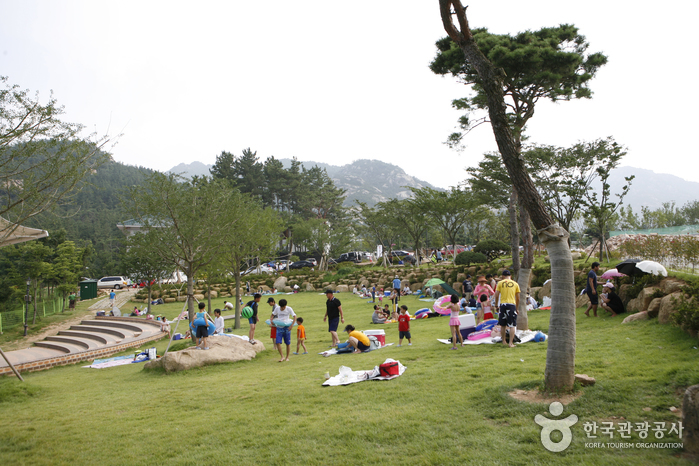
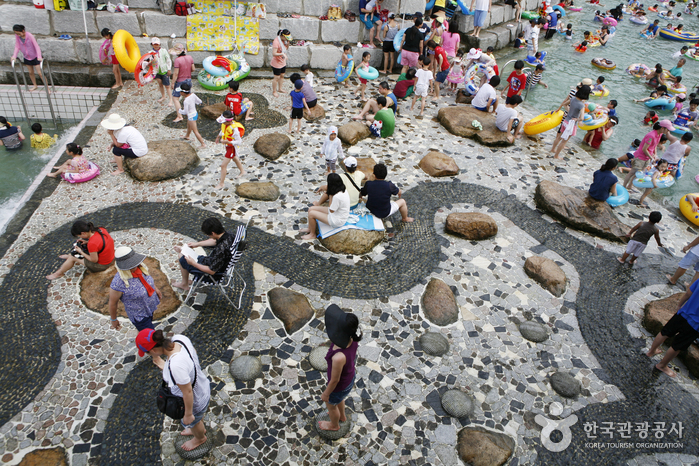
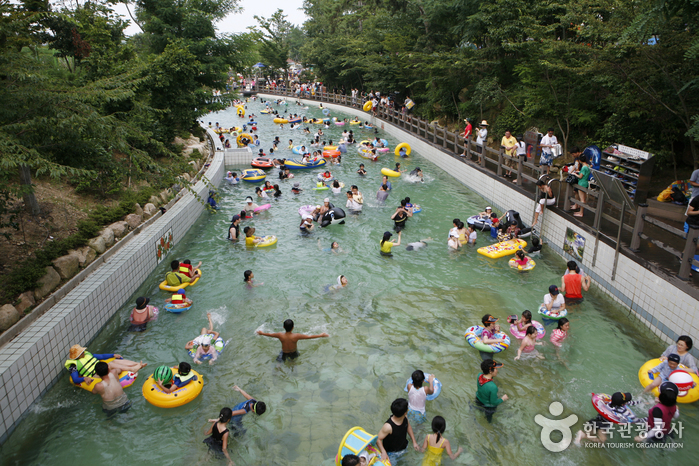
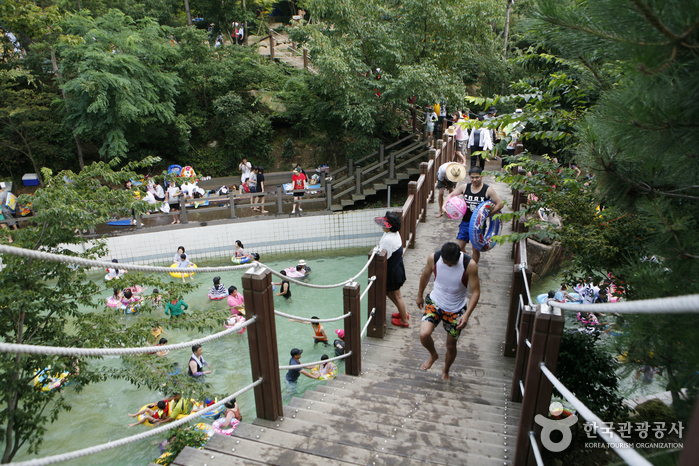
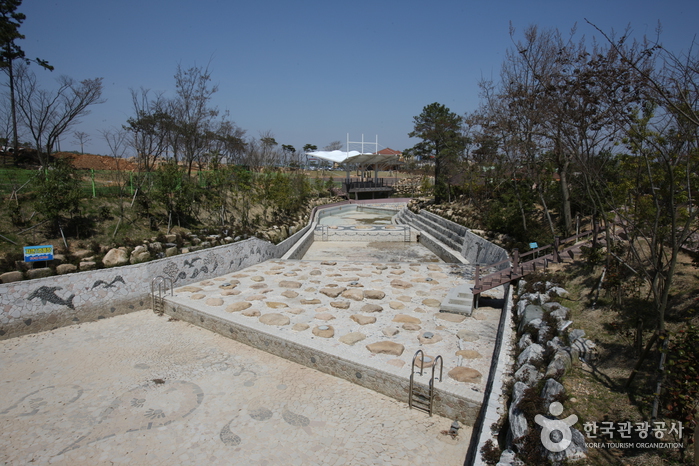
Wolchulsan Gichan Land is set in the clean valley and fresh air at the foot of Cheonhwangbong Peak of Wolchulsan Mountain. Many famous people come from the area, including Kim Changjo who created folklore music, Nangsan Kim Junyeon, a member of the Consituent Assembly, Admiral Kang Kicheon, Jo Hunhyeon, King of Baduk game and others. Gichan Land houses Gayageum Theme Park to offer folk culture as well as nature-pool, spirit health center, pension, physical facilities, well-being prayer road, and others. Wolchulsan Well-being Prayer Road features a health road to experience water, forest, and rocks on the road to Wolchulsan Mountain. <br>
<br>
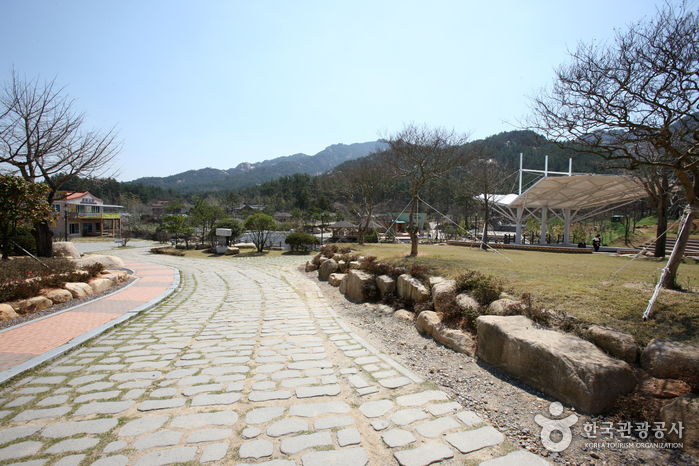
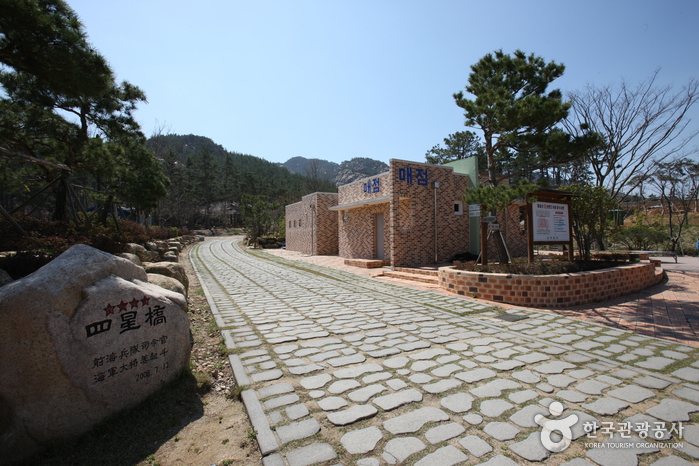
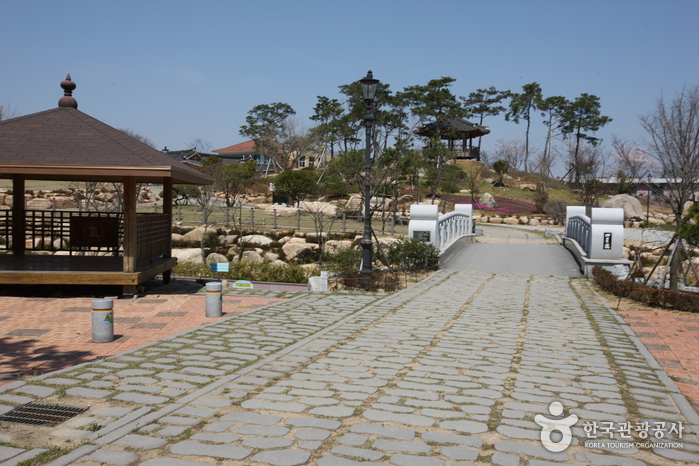
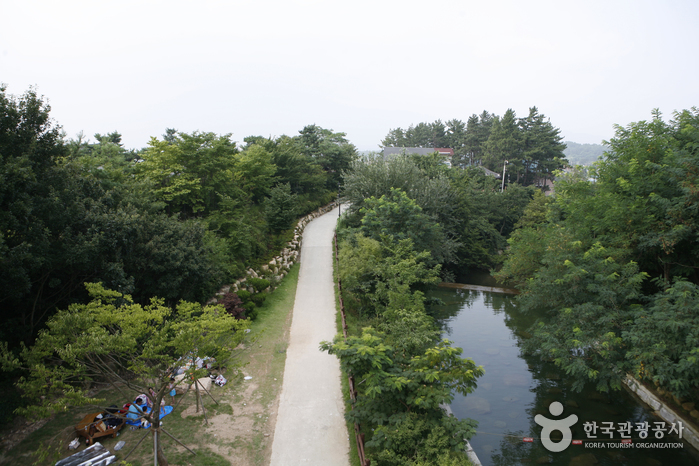
The 1.1 kilometer long Wolchulsan Well-being Prayer Road stretches from Gichan-gil Walking path to Ki Sports Park and Sowon-ro. The path is decorated with more than 30 years of pine trees, eco-friendly wooden bridge, and a resting area. Wolchulsan Pray Road stretches from the entrance of Cheonhwangsaji and Ki Sports Park to Gichan Land (4km) plus the 3 kilometer-road from Historic Site of Wang In to the entrance of Dogapsa Temple.<br>
<br>
Wolchulsan National Park features breathtaking scenery, plentiful cultural resources and folklore atmosphere of the Southern area. The mountain was formed as a residual hill of the Sobaek Mountain Range going into the Mokpo sea and meets the projecting rocks. The whole area is centered around Cheonwangbong Peak (809m) and is surrounded by uniquely-formed rocks and cliffs. <br>
<br>The area is the birth place of Wangin (Baekje) and Doseon Guksa (Late Silla). Various cultural assets are also located here, including Gengnakjeon Hall and Rock-carved Seated Buddha in Muwisa Temple in south side and Dogapsa Temple in west side based on Cheonwangbong Peak.
<br>
The 1.1 kilometer long Wolchulsan Well-being Prayer Road stretches from Gichan-gil Walking path to Ki Sports Park and Sowon-ro. The path is decorated with more than 30 years of pine trees, eco-friendly wooden bridge, and a resting area. Wolchulsan Pray Road stretches from the entrance of Cheonhwangsaji and Ki Sports Park to Gichan Land (4km) plus the 3 kilometer-road from Historic Site of Wang In to the entrance of Dogapsa Temple.<br>
<br>
Wolchulsan National Park features breathtaking scenery, plentiful cultural resources and folklore atmosphere of the Southern area. The mountain was formed as a residual hill of the Sobaek Mountain Range going into the Mokpo sea and meets the projecting rocks. The whole area is centered around Cheonwangbong Peak (809m) and is surrounded by uniquely-formed rocks and cliffs. <br>
<br>The area is the birth place of Wangin (Baekje) and Doseon Guksa (Late Silla). Various cultural assets are also located here, including Gengnakjeon Hall and Rock-carved Seated Buddha in Muwisa Temple in south side and Dogapsa Temple in west side based on Cheonwangbong Peak.
Location
📍 Open in Google MapsHow to Get There
Info: • 1330 Travel Hotline: +82-2-1330 (Korean, English, Japanese, Chinese) • For more info: +82-61-471-8500
Best Time to Visit
South Korea has four distinct seasons. Spring (March–May) and autumn (September–November) are the most popular times to visit. Summer brings humidity and occasional typhoons, while winter is cold but great for ski resorts and festivals.
Frequently Asked Questions
08:00-19:00
Available
• 1330 Travel Hotline: +82-2-1330 (Korean, English, Japanese, Chinese)
• For more info: +82-61-471-8500
• For more info: +82-61-471-8500
Photos
© Korea Tourism Organization · Source required · No modifications