Buramsan Mountain (불암산)
Seoul · 22, Deongneung-ro 130ga-gil, Nowon-gu, Seoul
Address
22, Deongneung-ro 130ga-gil, Nowon-gu, Seoul
22, Deongneung-ro 130ga-gil, Nowon-gu, Seoul
Overview
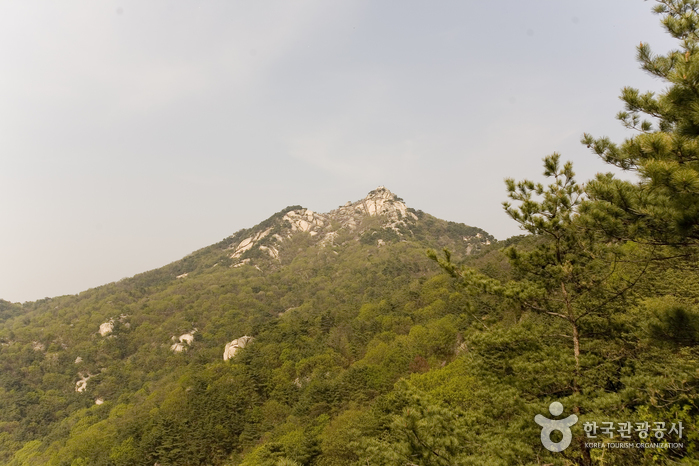
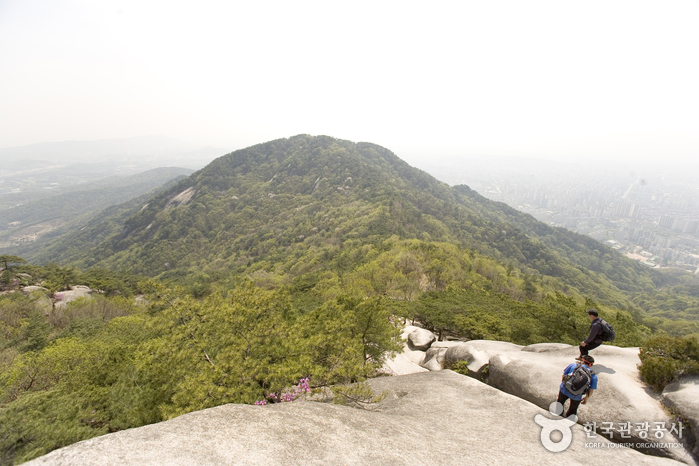
Buramsan Mountain is an 508-meter high rock mountain, drawing the border between Junggye-dong and Sanggye-dong in Nowon-gu and Byeolnae-myeon in Namyangju.
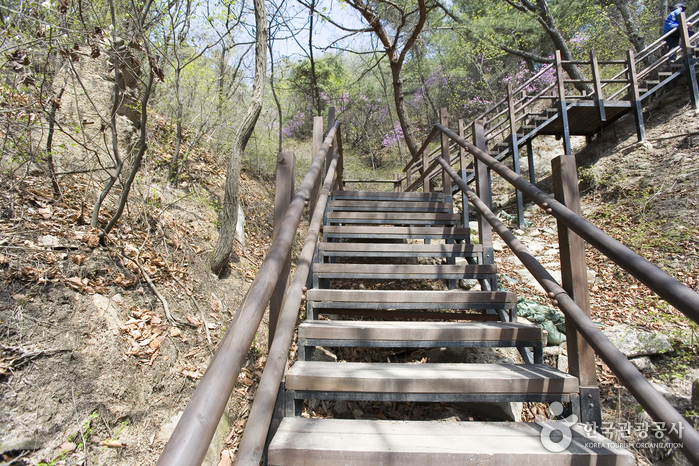
The total area is approximately 5,355,396 square meters and was designated as a city nature park in 1977. The mountain is named after its appearance that resembles Buddha wearing songnak (headgear) and is also referred to as Cheonbosan or Piramsan Mountain. The ridge stretches long enough to enjoy the scenery and it's an easy hike because it is not too steep. In particular, the stunning view of Seoul at night unfolds at the top of the mountain.
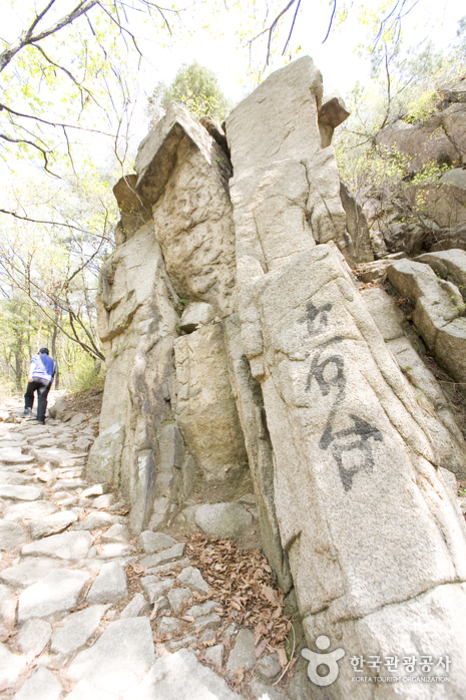
Buramsanseong Fortress is located 420 meters above sea level and the rock cliffs are often used as rock climbing spots. There are also various hiking trails and about ten springs to get fresh mineral water. Burampokpo Falls is popular in winter among ice climbing enthusiasts.
Location
📍 Open in Google MapsHow to Get There
Info: • 1330 Travel Hotline: +82-2-1330 (Korean, English, Japanese, Chinese) • For more info: +82-2-2116-3943
Best Time to Visit
South Korea has four distinct seasons. Spring (March–May) and autumn (September–November) are the most popular times to visit. Summer brings humidity and occasional typhoons, while winter is cold but great for ski resorts and festivals.
Frequently Asked Questions
• 1330 Travel Hotline: +82-2-1330 (Korean, English, Japanese, Chinese) • For more info: +82-2-2116-3943
Photos
© Korea Tourism Organization · Source required · No modifications