Seoul Gwanmunsa Temple (관문사(서울))
Seoul · 111, Baumoe-ro 7-gil, Seocho-gu, Seoul
Address
111, Baumoe-ro 7-gil, Seocho-gu, Seoul
111, Baumoe-ro 7-gil, Seocho-gu, Seoul
Overview
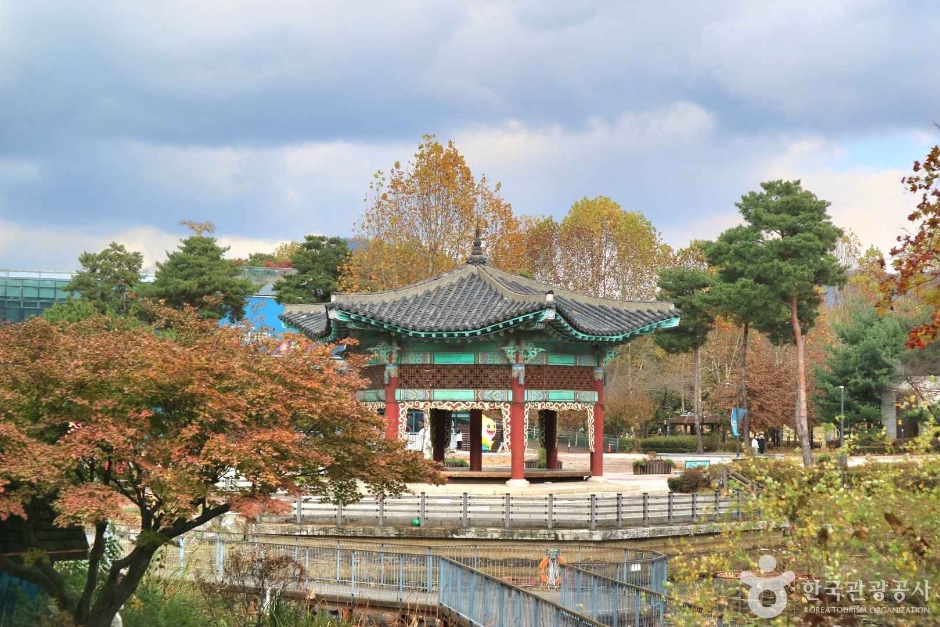
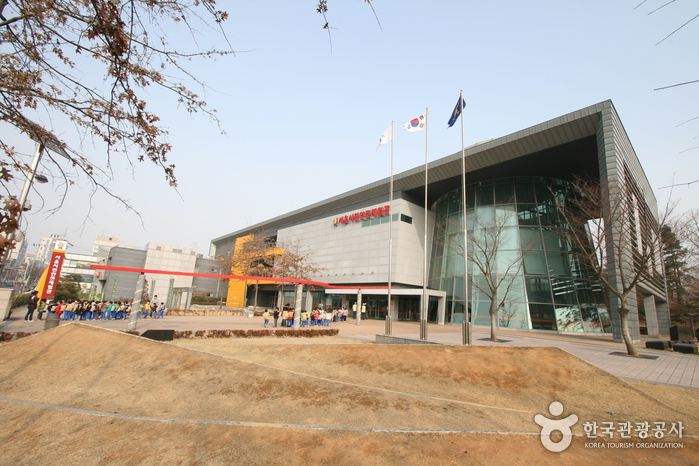
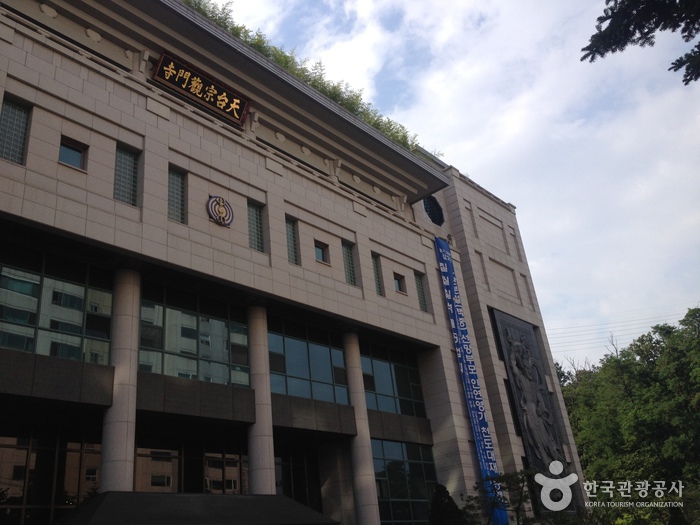
Located at the foot of Umyeonsan Mountain in Seocho-gu, Seoul, Gwanmunsa Temple had its ground-breaking ceremony in 1993 and construction was completed in October 1998. <br><br>
The temple site has a total area of 22,148.76 ㎡ with seven ground levels and four basement levels. The temple was constructed with a mixture of modern and traditional Buddhist architectural designs. Inside the temple, cutting-edge facilities are used for various cultural events, conferences, and sacred ceremonies.
<br><br>
Neighbored by Cheonggyesan Mountain, Umyeonsan Mountain, and Yangjaecheon Stream, the temple is located near many natural spots visitors can enjoy. In particular, Umyeonsan Mountain (alt. 293 m), where Gwanmunsa Temple is located, gets its name for its shape resembling a cow lying down. Designated as a city park and managed by Seoul Metropolitan Government, Umyeonsan Mountain has several valleys with clear spring waters and a dense forest inhabited by diverse animals and plants.
The temple site has a total area of 22,148.76 ㎡ with seven ground levels and four basement levels. The temple was constructed with a mixture of modern and traditional Buddhist architectural designs. Inside the temple, cutting-edge facilities are used for various cultural events, conferences, and sacred ceremonies.
<br><br>
Neighbored by Cheonggyesan Mountain, Umyeonsan Mountain, and Yangjaecheon Stream, the temple is located near many natural spots visitors can enjoy. In particular, Umyeonsan Mountain (alt. 293 m), where Gwanmunsa Temple is located, gets its name for its shape resembling a cow lying down. Designated as a city park and managed by Seoul Metropolitan Government, Umyeonsan Mountain has several valleys with clear spring waters and a dense forest inhabited by diverse animals and plants.
Location
📍 Open in Google MapsHow to Get There
Info: • 1330 Travel Hotline: +82-2-1330 (Korean, English, Japanese, Chinese) • For more info: +82-2-3460-5300
Best Time to Visit
South Korea has four distinct seasons. Spring (March–May) and autumn (September–November) are the most popular times to visit. Summer brings humidity and occasional typhoons, while winter is cold but great for ski resorts and festivals.
Frequently Asked Questions
N/A (Open all year round)
• 1330 Travel Hotline: +82-2-1330 (Korean, English, Japanese, Chinese) • For more info: +82-2-3460-5300