ARKO Art Center (아르코미술관)
Seoul · 3, Dongsung-gil, Jongno-gu, Seoul
Admission
Free
Free
Address
3, Dongsung-gil, Jongno-gu, Seoul
3, Dongsung-gil, Jongno-gu, Seoul
Overview
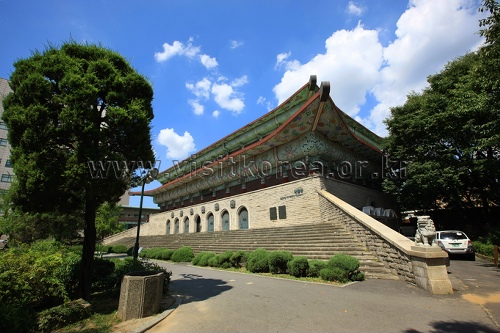
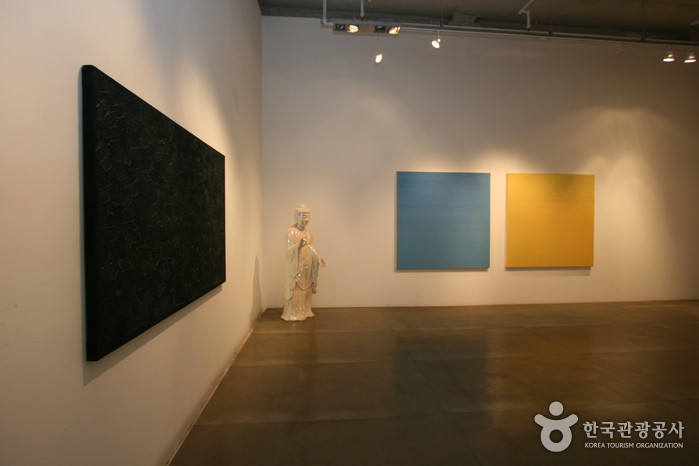
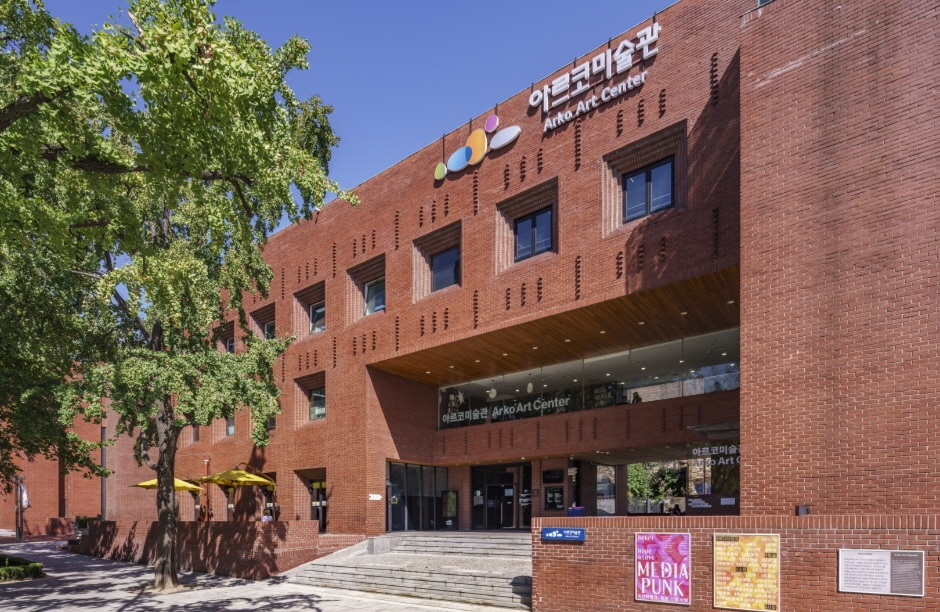
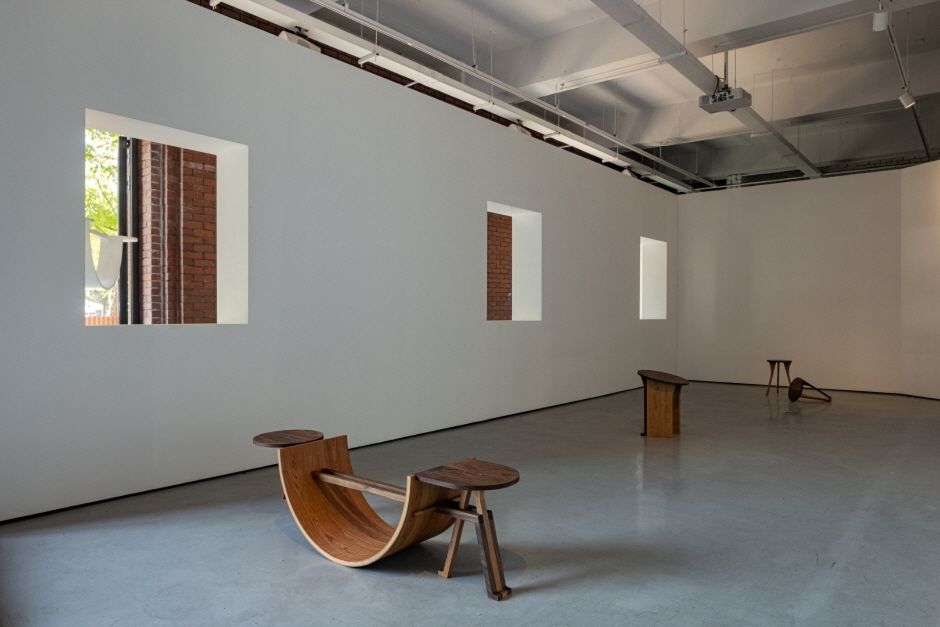
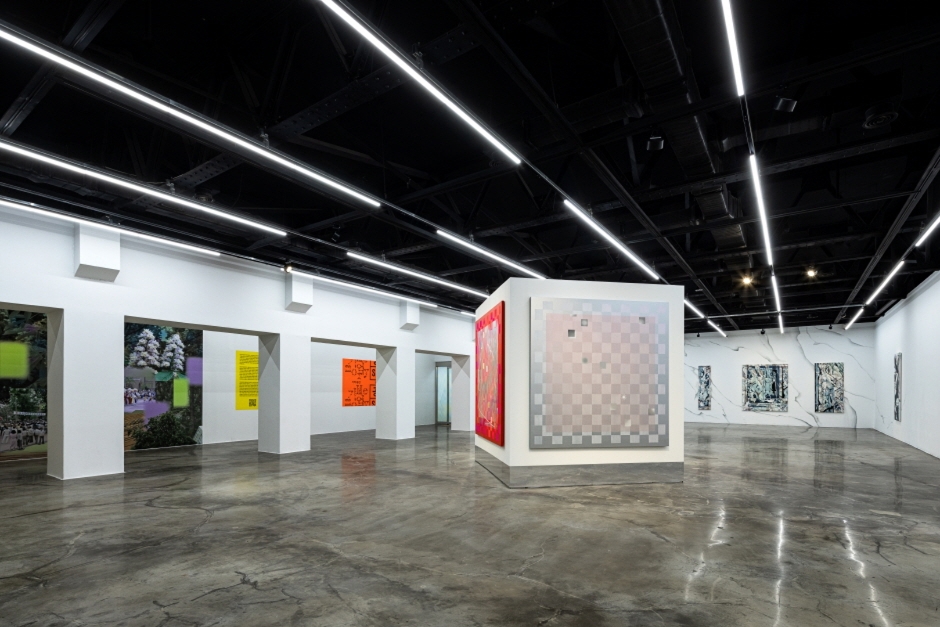
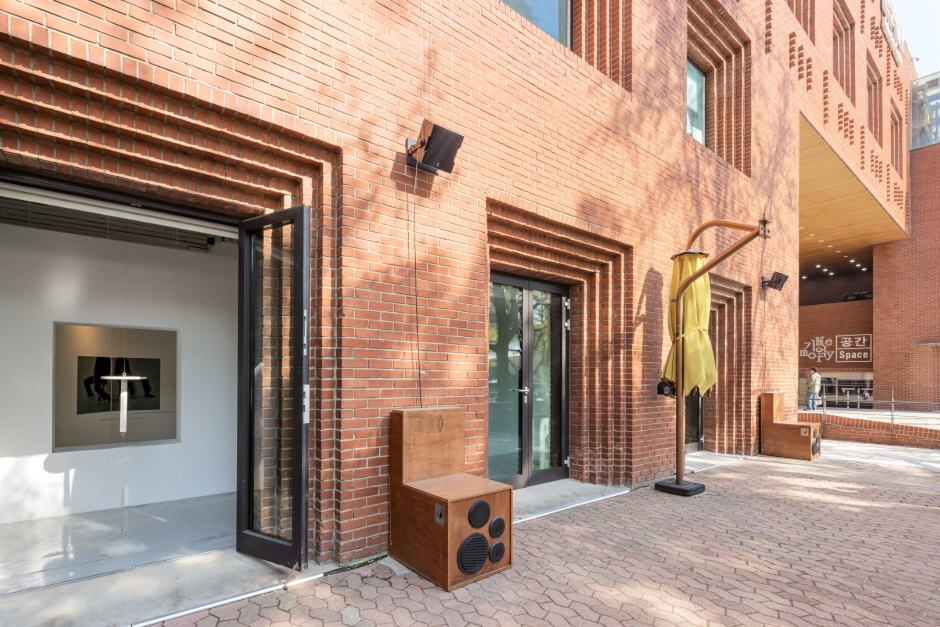
ARKO Art Center was founded in 1974 as Misulhoegwan in a building of former Deoksu Hospital in Gwanhun-dong, Jongno-gu to offer much-needed exhibition space for artists and arts groups. In 1979, Misulhoegwan moved to its present building, designed by preeminent Korean architect Kim Swoo-geun (1931-1986) and located in Marronnier Park, the former site of Seoul National University. The two neighboring brick buildings accommodating ARKO Art Center and ARKO Arts Theater are the major landmarks of the district of Daehakro.<br>
As more public and private museums and commercial galleries came into the art scene in the 1990s, Misulhoegwan shifted to curating and presenting its own exhibitions. Renamed as Marronnier Art Center in 2002, ARKO Art Center assumed a full-fledged art museum system and played an increasingly prominent role as a public arts organization leading the contemporary art paradigm. When The Korea Culture and Arts Foundation was reborn as Arts Council Korea, Marronnier Art Center became ARKO Art Center named after the abbreviation for Arts Council Korea in 2005.<br>
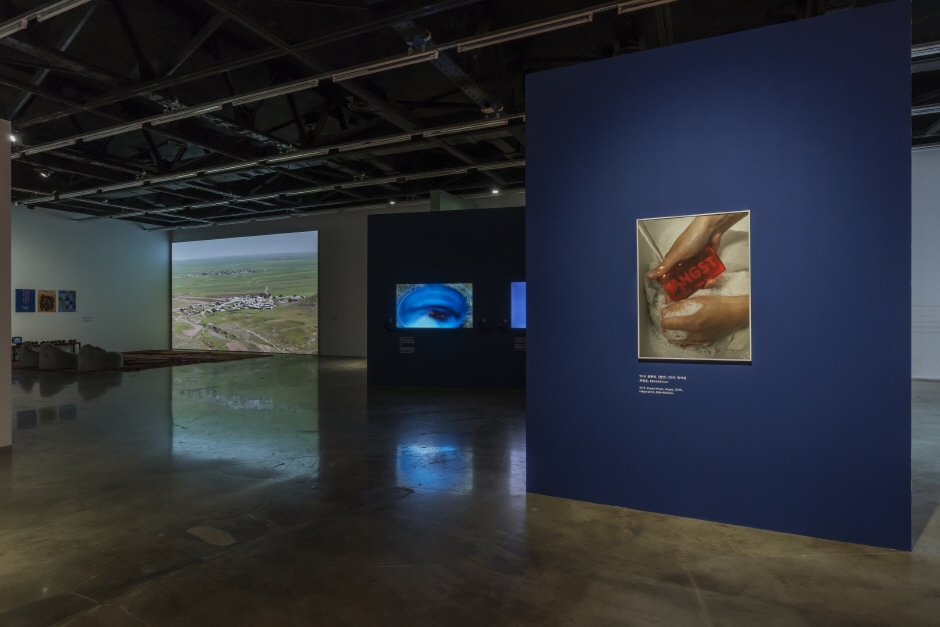
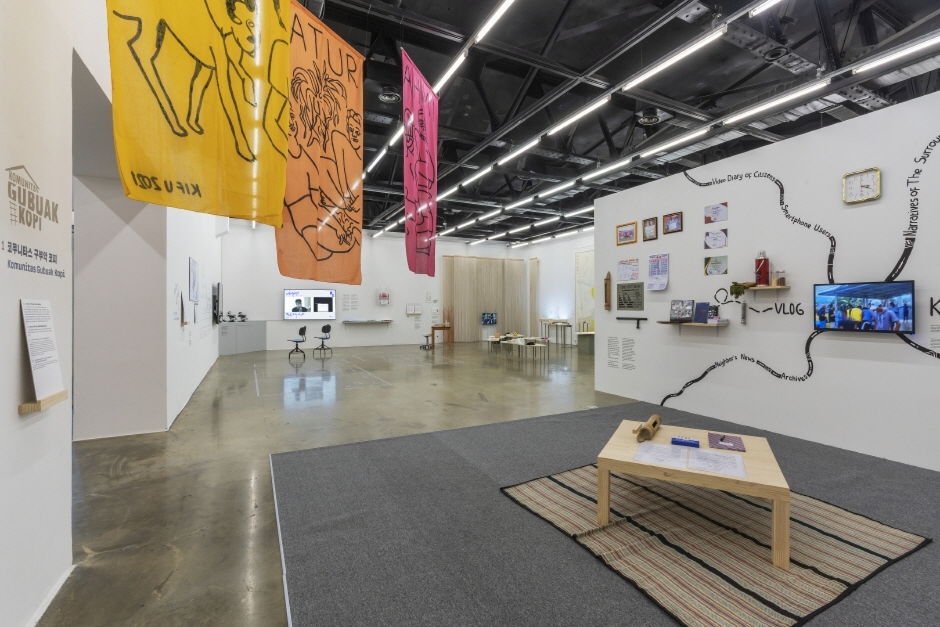
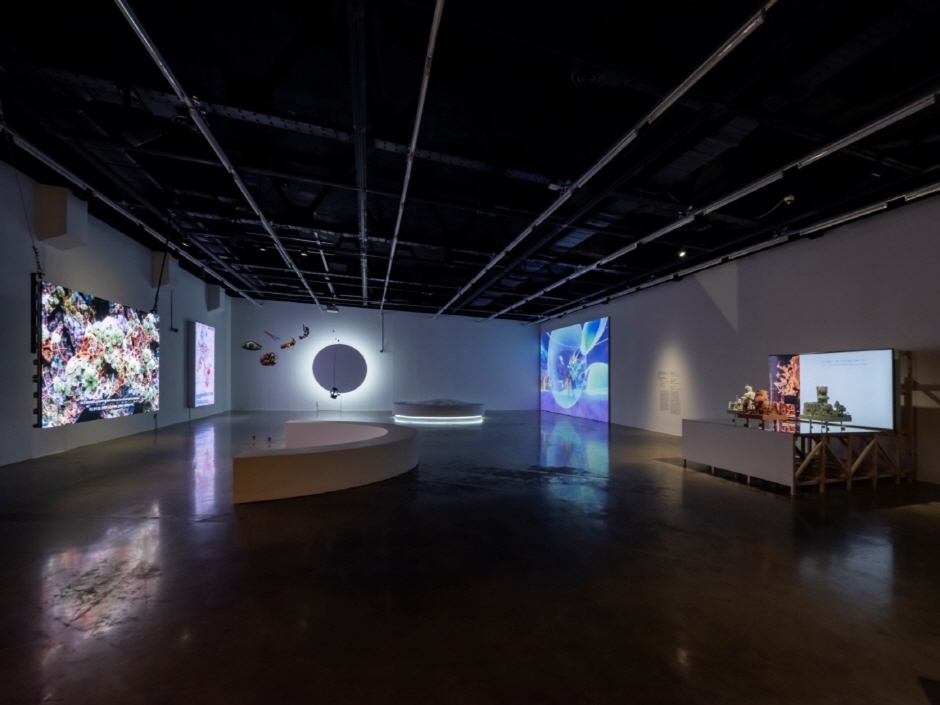
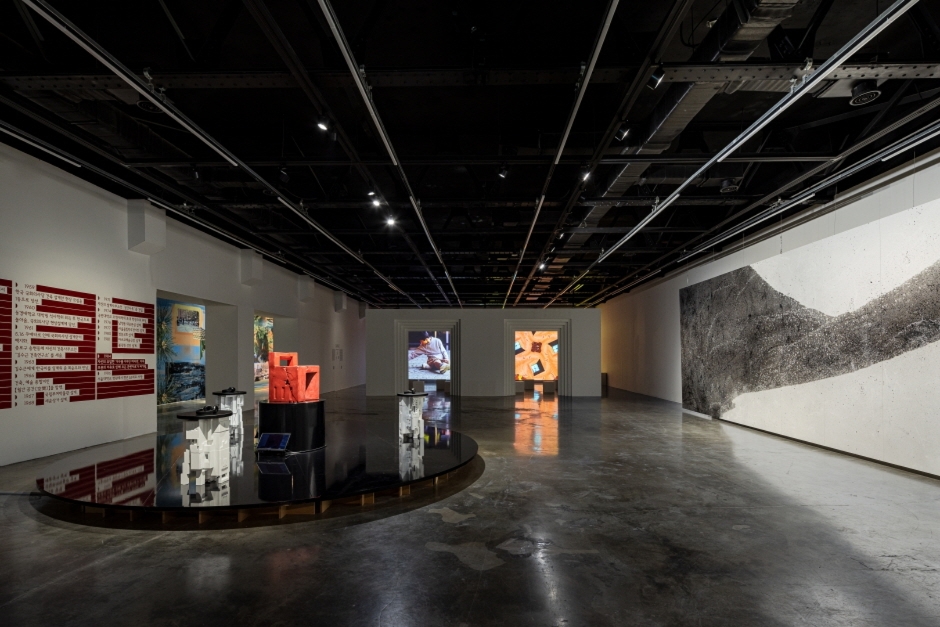
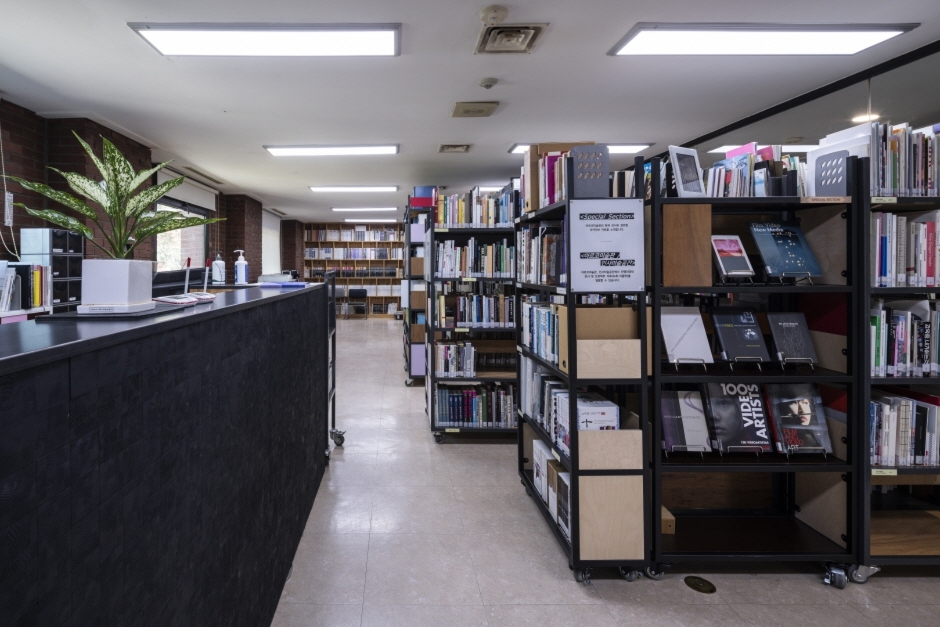
ARKO Art Center is committed to working as a platform where research, production, exhibitions and the exchange of creative activities grow and develop in connection with one another in addition to having a diversity of programs including thematic exhibitions addressing social agenda and public programs widely promoting various discourses in art.<br>
<div id="wrap">
<div id="wrap">
<div class="content_wrap">
<div class="content">
<div class="box subbox"><form action="/cboard/view.kto?boardId=B005&boardSeq=1000070023" method="post">
<div class="view_con">
<div class="view_top">
<div class="view_content">
<div class="view_com_wrap">
<div class="view_cL">
<br>
</div>
</div>
</div>
</div>
</div>
</form></div>
</div>
</div>
</div>
</div>
As more public and private museums and commercial galleries came into the art scene in the 1990s, Misulhoegwan shifted to curating and presenting its own exhibitions. Renamed as Marronnier Art Center in 2002, ARKO Art Center assumed a full-fledged art museum system and played an increasingly prominent role as a public arts organization leading the contemporary art paradigm. When The Korea Culture and Arts Foundation was reborn as Arts Council Korea, Marronnier Art Center became ARKO Art Center named after the abbreviation for Arts Council Korea in 2005.<br>
ARKO Art Center is committed to working as a platform where research, production, exhibitions and the exchange of creative activities grow and develop in connection with one another in addition to having a diversity of programs including thematic exhibitions addressing social agenda and public programs widely promoting various discourses in art.<br>
<div id="wrap">
<div id="wrap">
<div class="content_wrap">
<div class="content">
<div class="box subbox"><form action="/cboard/view.kto?boardId=B005&boardSeq=1000070023" method="post">
<div class="view_con">
<div class="view_top">
<div class="view_content">
<div class="view_com_wrap">
<div class="view_cL">
<br>
</div>
</div>
</div>
</div>
</div>
</form></div>
</div>
</div>
</div>
</div>
Location
📍 Open in Google MapsBest Time to Visit
South Korea has four distinct seasons. Spring (March–May) and autumn (September–November) are the most popular times to visit. Summer brings humidity and occasional typhoons, while winter is cold but great for ski resorts and festivals.
Frequently Asked Questions
11:00-19:00 / * Last admission is 30 minutes before closing.
Free
Available
Mondays, New Year's Day, the day of Seollal (Lunar New Year's Day) & Chuseok (Korean Thanksgiving Day)
+82-2-760-4850
Photos
© Korea Tourism Organization · Source required · No modifications