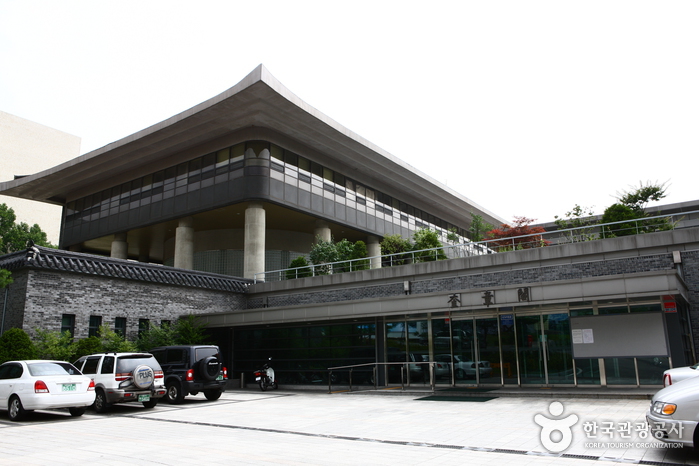
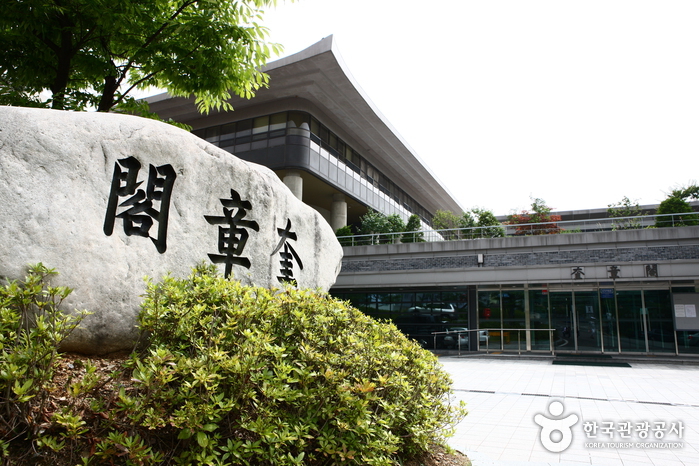
Gyujanggak Library of Seoul National University (서울대학교 규장각)
Seoul · 1, Gwanak-ro, Gwanak-gu, Seoul
Admission
Free
Free
Address
1, Gwanak-ro, Gwanak-gu, Seoul
1, Gwanak-ro, Gwanak-gu, Seoul
Overview
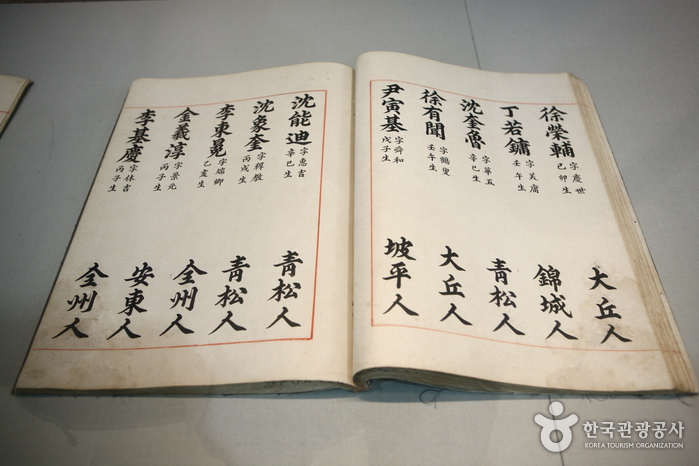
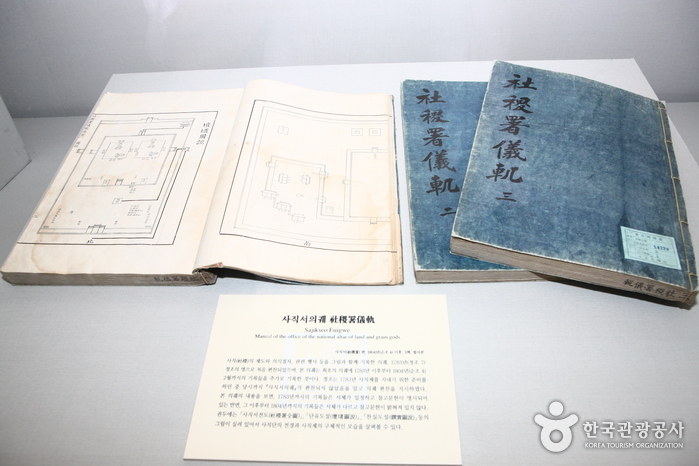
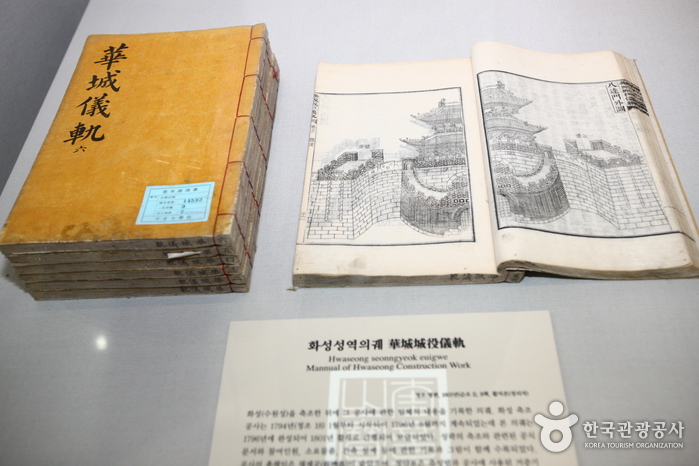
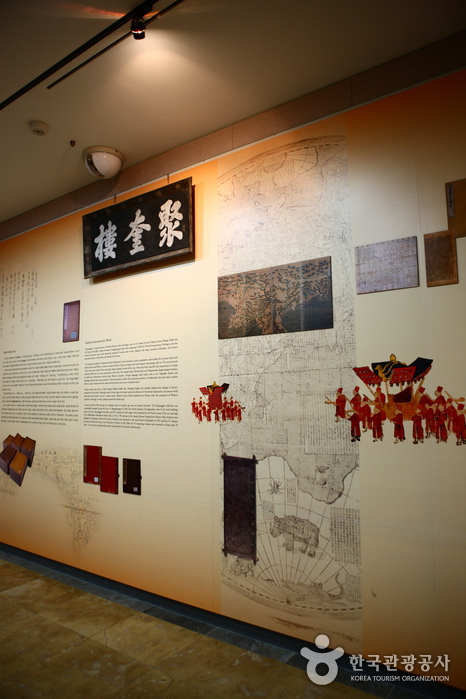
Gyujanggak Library was founded in 1776 during the reign of King Jeongjo, the 22nd ruler of the Joseon dynasty, at which time it was located within the Changdeokgung Palace grounds. It functioned as the royal library, which housed writings of the previous kings, their relics and books from home and abroad.
<br><br>
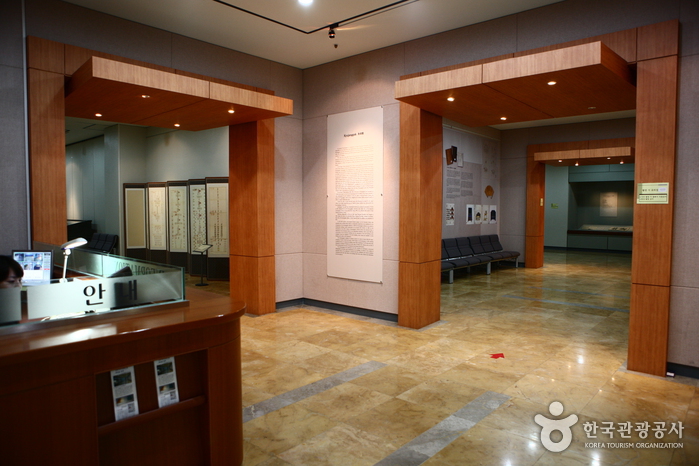
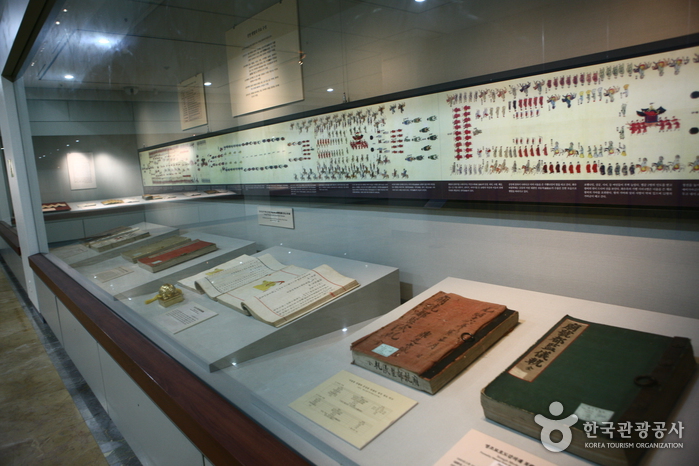
Today Seoul National University maintains the items of Gyujanggak in a traditional Korean building which is equipped with state-of-the-art facilities necessary for the preservation of cultural heritages. Moreover, Gyujanggak Library of Seoul National University collects and publishes books from a variety of sectors such as politics, economy and society.
<br><br>
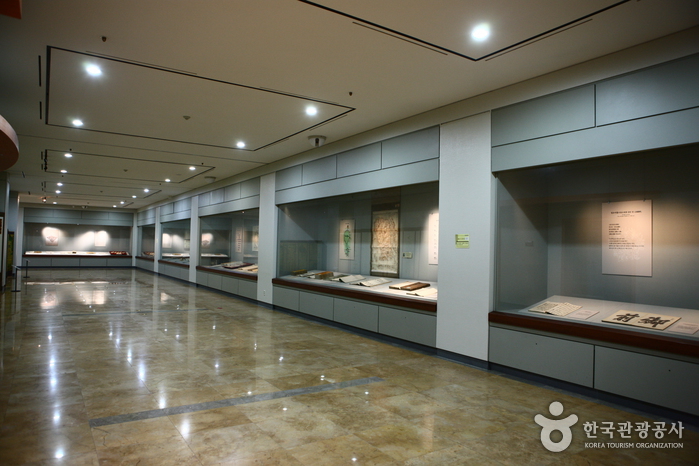
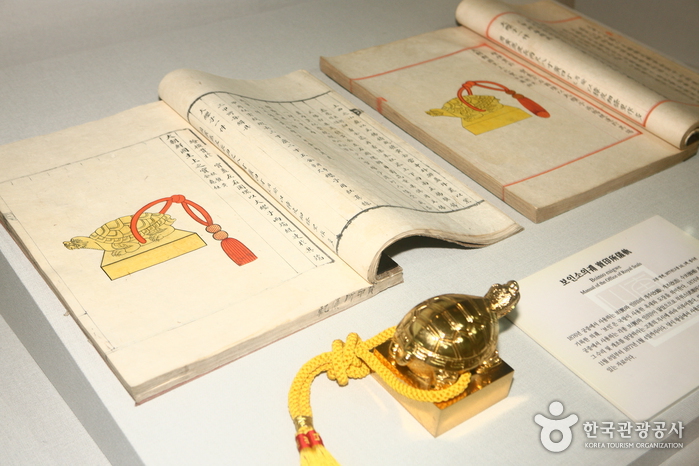
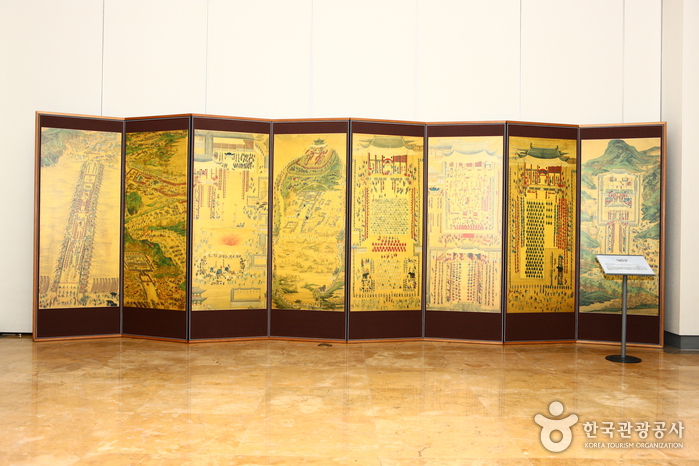
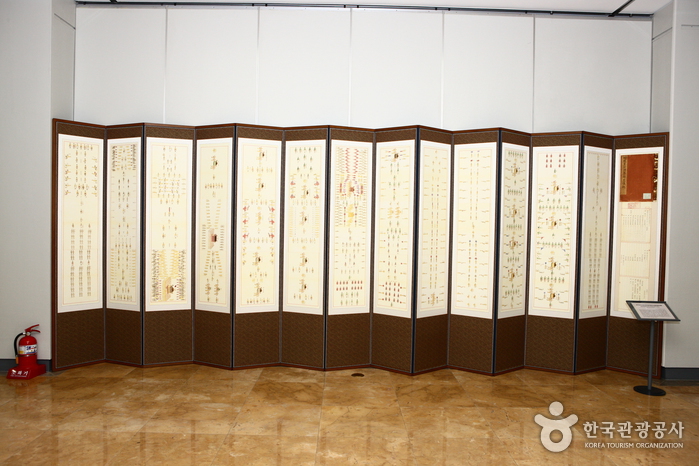
Gyujanggak now houses more than 270,000 items including 7 national treasures, 8 treasures, 180,000-plus old books, about 50,000 documents and 18,000 printing blocks. Among them, Joseon Wangjo Sillok (the Annals of the Joseon Dynasty, a National Treasure), Seungjeongwon Ilgi (the Diaries of the Royal Secretariat, a National Treasure) and Uigwe (the Royal Protocols of the Joseon Dynasty) have been designated as UNESCO World Cultural Heritages.
<br><br>
Today Seoul National University maintains the items of Gyujanggak in a traditional Korean building which is equipped with state-of-the-art facilities necessary for the preservation of cultural heritages. Moreover, Gyujanggak Library of Seoul National University collects and publishes books from a variety of sectors such as politics, economy and society.
<br><br>
Gyujanggak now houses more than 270,000 items including 7 national treasures, 8 treasures, 180,000-plus old books, about 50,000 documents and 18,000 printing blocks. Among them, Joseon Wangjo Sillok (the Annals of the Joseon Dynasty, a National Treasure), Seungjeongwon Ilgi (the Diaries of the Royal Secretariat, a National Treasure) and Uigwe (the Royal Protocols of the Joseon Dynasty) have been designated as UNESCO World Cultural Heritages.
Location
📍 Open in Google MapsBest Time to Visit
South Korea has four distinct seasons. Spring (March–May) and autumn (September–November) are the most popular times to visit. Summer brings humidity and occasional typhoons, while winter is cold but great for ski resorts and festivals.
Frequently Asked Questions
09:30-17:30 (Last admission 30 min before closing)
Free
Available
Charged
Weekends, public holidays, university foundation day & other days decided by SNU
• 1330 Travel Hotline: +82-2-1330
(Korean, English, Japanese, Chinese)
• For more info: +82-2-880-6030
(Korean, English, Japanese, Chinese)
• For more info: +82-2-880-6030
Photos
© Korea Tourism Organization · Source required · No modifications