National Museum of Korean Contemporary History (대한민국역사박물관)
Seoul · 198 Sejong-daero, Jongno-gu, Seoul
Admission
Free
Free
Address
198 Sejong-daero, Jongno-gu, Seoul
198 Sejong-daero, Jongno-gu, Seoul
Overview
* Special closure on March 21, 2026
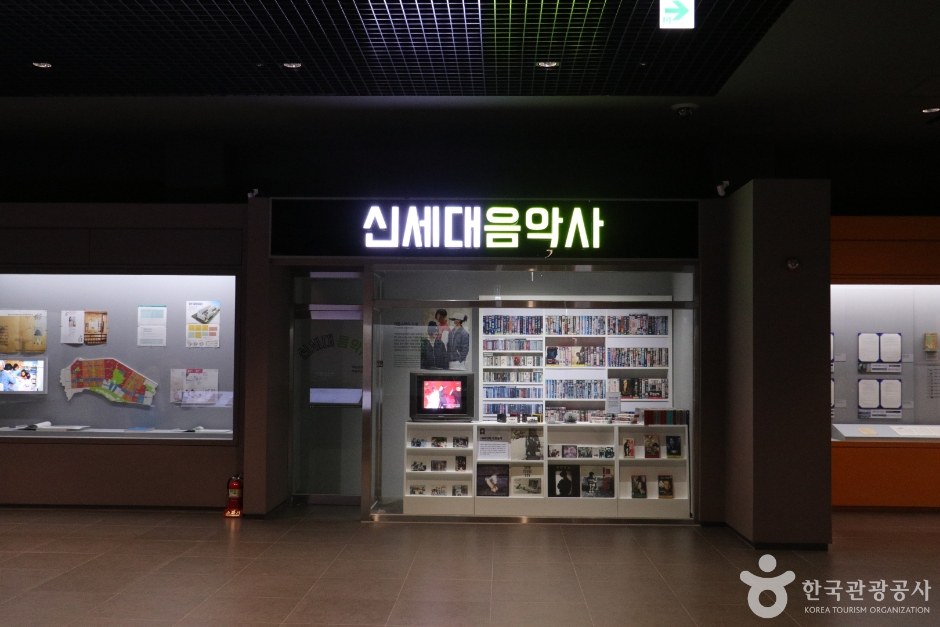
The National Museum of Korean Contemporary History opened on December 26, 2012, and showcases Korea's modern history, from the opening of Incheon Port to current times. The museum provides an in-depth look at the changes in the nation through exhibitions and educational programs, as well as researching, developing, and collecting materials. The museum is comprised of four exhibition halls; Prelude to the Republic of Korea, Foundation of the Republic of Korea, Development of the Republic of Korea, and Modernization of South Korea, toward the World. In addition, the Korean History Dream Village features a hands-on program hall for children to learn modern and contemporary history. In addition to special exhibitions, the museum also offers educational and cultural programs for children.
The National Museum of Korean Contemporary History opened on December 26, 2012, and showcases Korea's modern history, from the opening of Incheon Port to current times. The museum provides an in-depth look at the changes in the nation through exhibitions and educational programs, as well as researching, developing, and collecting materials. The museum is comprised of four exhibition halls; Prelude to the Republic of Korea, Foundation of the Republic of Korea, Development of the Republic of Korea, and Modernization of South Korea, toward the World. In addition, the Korean History Dream Village features a hands-on program hall for children to learn modern and contemporary history. In addition to special exhibitions, the museum also offers educational and cultural programs for children.
Location
📍 Open in Google MapsBest Time to Visit
South Korea has four distinct seasons. Spring (March–May) and autumn (September–November) are the most popular times to visit. Summer brings humidity and occasional typhoons, while winter is cold but great for ski resorts and festivals.
Frequently Asked Questions
Regular hours 10:00-18:00 * Wednesdays and Saturdays 10:00-21:00 * Last admission is 30 minutes before closing.
Free
New Year’s Day, the day of Seollal (Lunar New Year's Day) & Chuseok (Korean Thanksgiving Day)
+82-2-3703-9200
Photos




© Korea Tourism Organization · Source required · No modifications