![Petroglyphs of Cheonjeon-ri [UNESCO World Heritage] (울주 천전리 명문과 암각화 [유네스코 세계유산])](http://tong.visitkorea.or.kr/cms/resource/14/3335114_image2_1.jpg)
Petroglyphs of Cheonjeon-ri [UNESCO World Heritage] (울주 천전리 명문과 암각화 [유네스코 세계유산])
Ulsan · Cheonjeon-ri, Dudong-myeon, Ulju-gun, Ulsan
Hours
Open 24 hr
Open 24 hr
Address
Cheonjeon-ri, Dudong-myeon, Ulju-gun, Ulsan
Cheonjeon-ri, Dudong-myeon, Ulju-gun, Ulsan
Parking
Available (Free parking)
Available (Free parking)
Overview
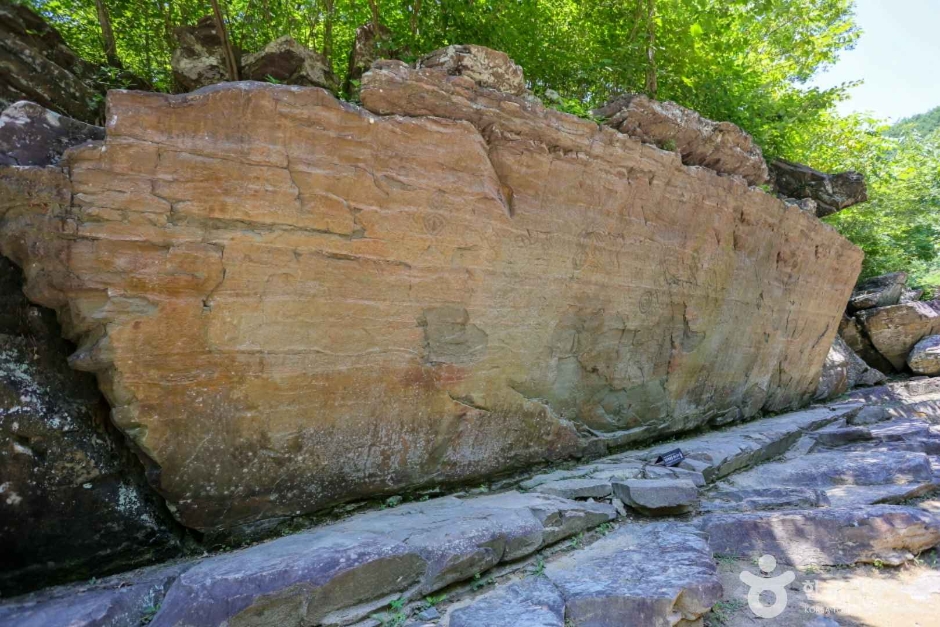
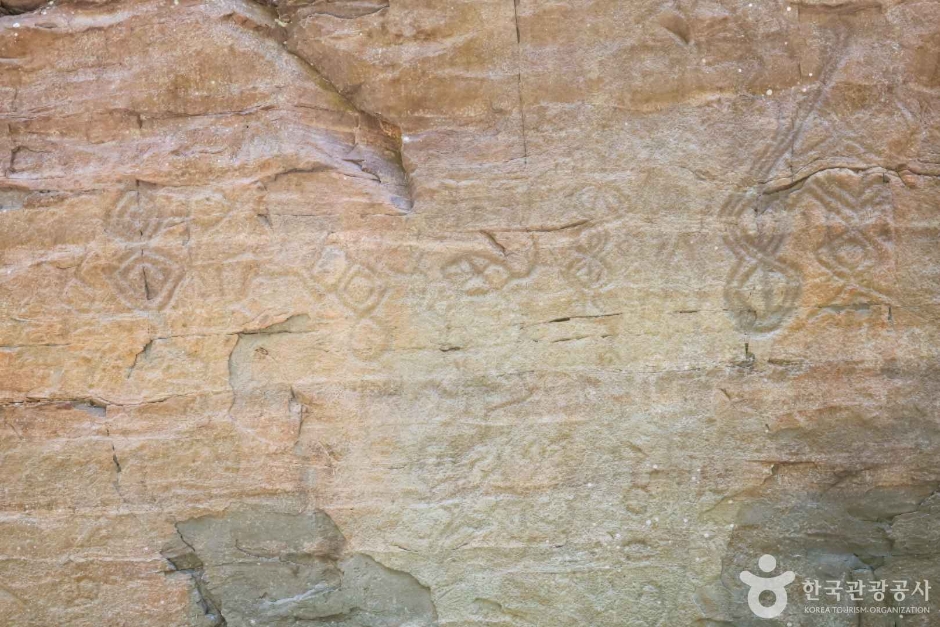
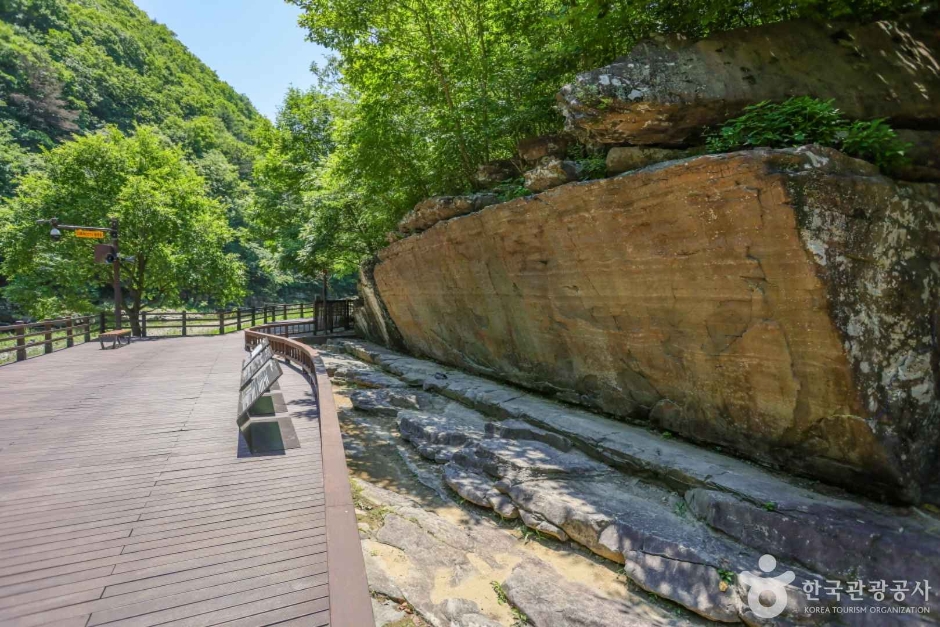
The petroglyphs (figures, pictures, and letters were made on the rocks along the mid-stream area of Naegokcheon Stream, which is a tributary of Taehwagang River. The upper and lower sides of the rocks contain petroglyphs that differ in the content and techniques used. The upper side contains petroglyphs made by means of chiseling. The inscriptions include geometric patterns, animals, and abstract human figures. There are concentric circles, with a round figure looking like the sun at the center, four running deer next to them, and several semi-human animals. The figures with simplistic expression and symbolism appear to have been made during the Bronze Age. <br /><br />The lower side contains line-drawn picture mixed with Chinese characters. They include a procession of horse riders, animals including dragons, and boats. In particular, the procession of horse riders appears in three different places. The boats provide researchers with important information on the offshore activities carried out by people of the Silla dynasty. The 800-plus written characters are about the King and Queen’s visit to the place. They were presumed to have been inscribed on two occasions during the reign of King Beopheung (r. 514-540) of the Silla dynasty. The content on the official positions and the government system makes it a precious material for those studying Silla during or around the 6th Century. The petroglyphs were made by many people over an extended period of time, providing vivid information on the life and thoughts of people from prehistoric times to the Silla dynasty. <br /><br />The petroglyphs in Cheonjeon-ri and petroglyphs on the Bangudae Terrace, spanning three kilometers altogether along the Bangucheon Stream, have been inscribed on the UNESCO World Heritage List on July 12, 2025.<br /><br />(Source: Korea Heritage Service)
Location
📍 Open in Google MapsHow to Get There
Info: +82-52-204-0321
Best Time to Visit
South Korea has four distinct seasons. Spring (March–May) and autumn (September–November) are the most popular times to visit. Summer brings humidity and occasional typhoons, while winter is cold but great for ski resorts and festivals.
Frequently Asked Questions
Open 24 hr
Available (Free parking)
N/A (Open all year round)
+82-52-204-0321
Photos
© Korea Tourism Organization · Source required · No modifications